Your paper crafts warp mainly because of fluctuating humidity and moisture, which cause the paper to swell and contract. Using the wrong paper type or too much glue can weaken the structure and lead to warping. Handling techniques and storage conditions also play a role; improper storage exposes your project to damaging environmental changes. Age and paper quality further influence stability. To keep your crafts flat and lasting, follow effective drying and flattening tips—you’ll find helpful advice to protect your work.
Key Takeaways
- Fluctuating humidity and temperature cause paper to expand and contract, leading to warping over time.
- Using lightweight or low-quality paper increases susceptibility to bending and deformation.
- Improper storage in damp or unstable environments accelerates paper warping.
- Excessive or uneven application of glue and moisture during crafting can cause warping as it dries.
- Failing to press and dry crafts properly results in uneven surfaces and warped edges.
humidity control for paper crafts
As an affiliate, we earn on qualifying purchases.
As an affiliate, we earn on qualifying purchases.
The Impact of Humidity and Moisture Levels

Humidity and moisture levels play a crucial role in causing paper crafts to warp. High humidity effects lead to increased moisture absorption by the paper, making it swell and lose its flatness. When you leave your projects in damp environments, the paper absorbs excess moisture from the air, which weakens its structure and causes warping or curling. Conversely, low humidity can make the paper brittle and prone to cracking. Fluctuating moisture levels are especially problematic, as they cause the paper to expand and contract repeatedly, exacerbating warping over time. To prevent this, store your paper in a stable environment with controlled humidity. Keeping moisture levels consistent helps maintain your craft’s shape and prevents warping caused by humidity effects. Maintaining proper indoor humidity levels can also improve the indoor air quality, making it a healthier environment for both your crafts and your home. Additionally, using a humidifier or dehumidifier can help regulate moisture levels effectively, protecting your projects from damage caused by environmental fluctuations. Ensuring proper humidity control can help protect your projects from damage caused by environmental fluctuations and reduce the risk of warping over time.
archival quality paper for crafts
As an affiliate, we earn on qualifying purchases.
As an affiliate, we earn on qualifying purchases.
Using the Wrong Type of Paper for Your Project

Choosing the right paper is essential because weight, texture, and thickness directly affect your craft’s stability. If you pick incompatible materials or tools, your project can warp or tear easily. Pay attention to these factors to guarantee your paper holds up under your creative efforts. Additionally, selecting appropriate materials that are suited for your specific project can help prevent warping and ensure a durable finished product. Understanding the material properties of your paper can further guide you in making the best choice for your craft, especially when considering the compatibility with your tools and techniques. Being aware of the hydroscopic nature of certain papers can also help you prevent warping caused by moisture exposure. Recognizing the durability of different papers can aid in selecting options that are less prone to deformation over time.
Paper Weight Matters
Using the wrong type of paper can cause your paper crafts to warp or buckle over time. Heavier paper provides more stability, reducing the risk of warping, while lightweight paper is prone to bending and creasing. If you choose thin paper, it might absorb ink unevenly, leading to color bleeding and smudging, which affects your project’s appearance. Conversely, thicker paper can prevent ink absorption issues, keeping colors vibrant and crisp. Selecting the right weight ensures your craft stays flat and maintains its shape. Remember, the weight of the paper influences how it reacts to moisture and handling. Using the proper weight not only enhances durability but also preserves the integrity of your design, making your finished project look professional and polished. Additionally, choosing the appropriate paper weight can help prevent warping caused by environmental changes such as humidity and temperature fluctuations. Being aware of material stability can further improve your crafting results by selecting papers that respond well to your working conditions.
Texture and Thickness
Selecting the right paper texture and thickness is essential to guarantee your craft turns out just as you envision. The fiber density influences how sturdy or flexible the paper feels, which affects how it reacts to glue and shaping. Thicker papers with high fiber density tend to warp less but can be harder to work with for delicate details. Surface finish also plays a *vital* role: smooth finishes provide clean cuts and precise folds, while textured surfaces may add visual interest but can cause uneven edges. Using a paper with an incompatible texture or inappropriate thickness can lead to warping, curling, or tearing during or after assembly. Always choose a paper whose fiber density and surface finish align with your project’s requirements for a smooth, professional finish. Additionally, understanding the material properties of your paper can help you select the most suitable type for your craft, reducing the risk of warping or damage over time.
Compatibility With Tools
Ever wonder why some paper crafts don’t turn out as planned? It often comes down to tool compatibility. Using the wrong tools for your paper type can cause warping or tearing, especially if your craft supply selection isn’t suited for the material. For example, thick or textured paper requires sturdy scissors or craft knives, while delicate, lightweight paper needs gentle handling. Sharp blades can damage softer papers, and overly aggressive tools can cause uneven cuts. Always choose tools designed for your specific paper—using the right ones helps prevent warping and ensures clean, professional results. Take time to match your tools to your paper, and your projects will look better, last longer, and stay flat. Proper craft supply selection is key to successful, warp-free paper crafts. Matching tools and paper is essential for achieving the best results and maintaining your craft’s integrity. Being aware of material properties helps prevent damage and ensures your crafting process goes smoothly. Additionally, understanding the appropriate cutting techniques for different papers can further reduce warping and improve precision. Using the correct scoring methods can also help keep your paper flat and neat. Incorporating proper storage habits can also keep your paper from warping before use, ensuring consistent results.
pressing and flattening paper crafts
As an affiliate, we earn on qualifying purchases.
As an affiliate, we earn on qualifying purchases.
Effects of Excess Glue and Adhesives

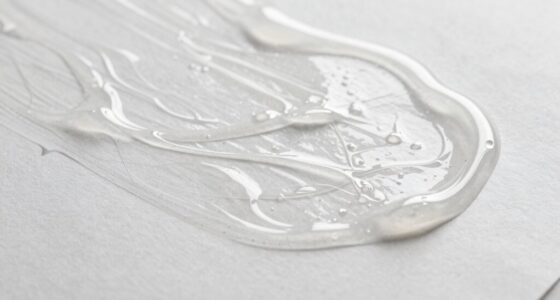
When you apply too much glue or adhesive to your paper crafts, it can cause significant warping. The glue consistency plays a vital role; thick, runny glue tends to seep into the paper, adding unnecessary weight and moisture. Similarly, the adhesive color can indicate excess; dark or overly shiny glues often mean you’re using too much. Excess glue creates uneven drying and causes the paper to warp as it absorbs moisture unevenly. It can also leave visible stains or residue, weakening the paper’s structure. To avoid this, use a moderate amount of glue with a smooth, even consistency. Opt for clear or light-colored adhesives to better monitor application, and always spread it thinly for a flat, smooth finish that prevents warping. Additionally, choosing the right adhesive type for your project can help reduce warping and keep your crafts looking their best. Proper application technique and understanding moisture absorption are essential to minimize excess glue and improve your craft’s durability. Being mindful of glue drying time can also help ensure an even and controlled drying process, reducing the risk of warping. Knowing how glue properties affect drying behavior can further enhance your results and prevent unwanted deformation.
moisture resistant glue for paper projects
As an affiliate, we earn on qualifying purchases.
As an affiliate, we earn on qualifying purchases.
The Role of Cutting and Handling Techniques

Proper cutting and handling techniques are essential to prevent warping in paper crafts. Achieving cutting precision ensures clean, accurate edges, reducing stress on the paper that can cause it to bend or warp over time. Use sharp blades and steady motions to avoid jagged cuts that weaken the material. Handling safety is equally important; always handle paper carefully to prevent tears, creases, or accidental damage that can lead to warping. When you handle your paper with care, you minimize unnecessary stress and deformation. Avoid pulling or bending the paper excessively during cutting or assembly. By maintaining good cutting precision and practicing safe handling, you protect your craft from warping and ensure a smooth, professional finish. Incorporating proper handling techniques can further help you maintain the integrity of your paper and prevent deformation over time.
Storage Conditions That Contribute to Warping

You should be cautious about how you store your paper crafts, as fluctuating humidity levels can cause them to warp. Extreme temperatures, whether hot or cold, also weaken the paper’s structure over time. Improper storage spaces, like basements or attics, often expose your crafts to these damaging conditions.
Humidity Levels Fluctuate
Fluctuating humidity levels can considerably contribute to paper warping, especially if your storage conditions are inconsistent. When humidity rises and falls, the paper expands and contracts unevenly, distorting your artwork. To prevent this, consider these tips:
- Store your crafts in a climate-controlled environment with steady humidity levels.
- Use airtight containers to buffer against external moisture changes.
- Avoid exposing your paper to direct sunlight, which can intensify humidity fluctuations.
- When selecting paper for artistic techniques, choose materials with stable moisture content and consider color choices that won’t bleed or warp easily.
Maintaining consistent humidity not only preserves the integrity of your paper but also ensures your artistic techniques stay crisp and your colors vibrant.
Temperature Extremes Affect Paper
Extreme temperatures can cause significant damage to paper, leading to warping and other distortions. When exposed to heat or cold, paper undergoes thermal expansion or contraction, which weakens its structure and causes it to warp. High heat makes paper more heat sensitive, accelerating these changes and increasing the risk of permanent damage. Rapid temperature fluctuations are especially harmful because they create stress within the fibers, causing distortions that are difficult to reverse. Avoid storing your paper crafts in places with direct sunlight, near heaters, or in uninsulated areas. Maintaining stable, moderate temperatures minimizes thermal expansion and helps preserve the integrity of your paper. Proper storage ensures your paper remains flat, vibrant, and undamaged over time.
Improper Storage Spaces
Poor storage spaces can substantially contribute to paper warping if they lack proper conditions. When storing your paper crafts, avoid unsuitable storage containers and display environments. These factors can cause uneven moisture absorption or exposure to humidity, leading to warping. To prevent this, consider these tips:
- Use acid-free, airtight storage containers to control humidity.
- Keep paper away from direct sunlight or bright display environments.
- Store in a cool, dry place with stable temperature conditions.
- Avoid stacking heavy items directly on top of delicate crafts.
How Age and Paper Quality Influence Warping

As paper ages, its likelihood to warp increases because the materials break down over time, losing their original structure and stability. Aging effects weaken the fibers, making the paper more susceptible to distortion when exposed to moisture or uneven drying. The paper composition plays a vital role; papers with higher acid content or lower-quality fibers tend to degrade faster, accelerating warping. Poor-quality paper often contains fillers or additives that diminish durability, making it more prone to curling and bending over time. Conversely, higher-quality, acid-free papers resist aging effects better, maintaining their shape longer. Understanding how age and paper composition influence warping helps you choose materials that last and stay flat, especially for long-term projects or archival purposes.
Strategies for Proper Drying and Flattening

Proper drying and flattening are essential steps to prevent paper crafts from warping after you finish your project. To achieve this, use effective drying methods and pressing techniques.
Proper drying and flattening keep your paper crafts smooth and warp-free.
- Lay your craft flat on a clean, absorbent surface and let it air dry in a well-ventilated area.
- Place a clean sheet of paper or parchment over your project, then apply gentle pressure with a heavy book or flattening board.
- Use a sponge or soft cloth to gently pat excess moisture, avoiding wringing or squeezing.
- For thicker or layered projects, consider pressing between two flat surfaces with weight until fully dry.
Following these strategies ensures your paper craft remains smooth and flat, preventing future warping.
Frequently Asked Questions
Can Certain Colors or Finishes Increase Paper Warping?
Yes, certain colors and finishes can increase paper warping. Bright or heavily saturated colors, especially with thick or glossy finishes, tend to absorb more ink bleed and moisture, which weakens the paper structure. This excess moisture causes warping, especially if the ink is applied heavily. To prevent this, choose matte finishes, avoid over-saturating colors, and allow ink to dry thoroughly before handling your craft.
How Does Temperature Fluctuation Affect Paper Stability?
Temperature fluctuations cause paper to expand and contract, making it less stable and prone to warping. You’ll notice this especially when humidity effects come into play—dry air can make paper brittle, while humid conditions soften it. To keep your crafts flat, store them in a stable environment with controlled temperature, avoid sudden changes, and use proper storage techniques like airtight containers, which help maintain consistent conditions and prevent warping.
Are Digital or Recycled Papers More Prone to Warping?
Digital and recycled papers are more prone to warping because their fibers tend to swell more with moisture absorption. You might notice these papers warp easily since they contain more irregular fibers, which absorb moisture unevenly. To prevent this, you should keep your workspace dry and press your crafts flat after working on them. Understanding fiber swelling helps you choose the right paper and care for it properly, reducing warping risks.
What Tools Can Help Prevent Warping During Crafting?
You can prevent warping by using tools like a bone folder for crisp folds and a craft heat gun for gentle drying. Employing proper techniques, such as pressing papers flat before gluing, helps maintain stability. Choose the right crafting adhesives—acid-free and quick-drying ones—to avoid excessive moisture that causes warping. These tools and techniques keep your projects smooth, flat, and professional-looking.
Does Paper Thickness Influence Its Likelihood to Warp?
Like the armor of a knight, thicker paper provides a sturdy shield against warping. Heavier paper weight and higher fiber density make it less susceptible to bending, tension, and moisture. When you choose thicker paper, you’re fundamentally selecting a resilient armor that withstands environmental changes. Conversely, thinner paper with lower fiber density bends easily, increasing warp risk. So, opt for high-quality, dense paper to keep your crafts straight and beautiful.
Conclusion
So, next time your masterpiece starts sagging like a sad curtain, remember, it’s not your fault—blame the humidity, the wrong paper, or your glue-happy hands. Think of your paper as a delicate diva, demanding perfect conditions or it’ll turn into a crumpled mess. Handle it with care, store it properly, and give it a proper dry-down. Otherwise, you’ll end up with a warped disaster, looking more like modern art than a craft.