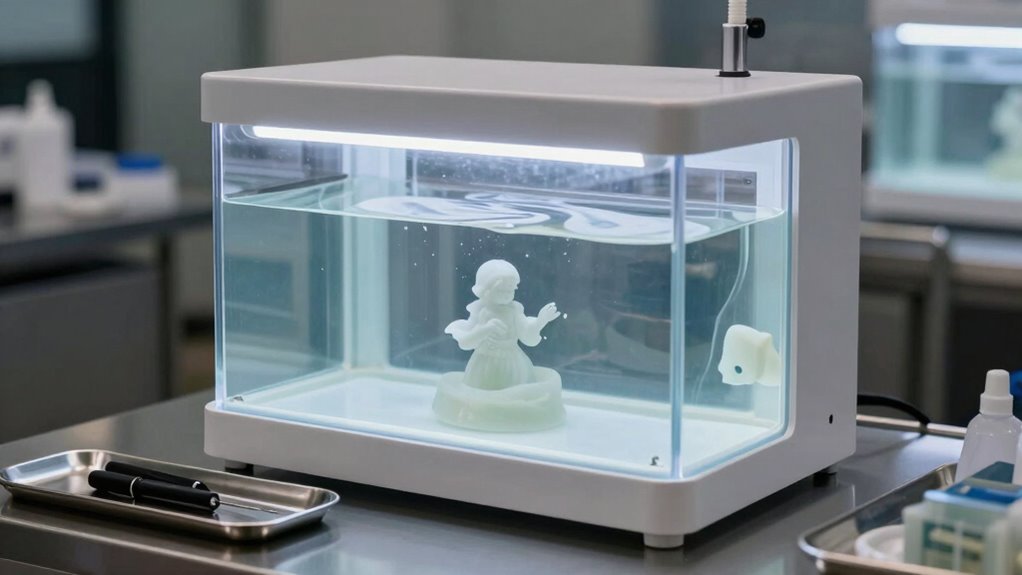

A Wash-and-Cure station transforms your resin printing process by making post-processing faster, safer, and more consistent. It combines cleaning and curing into one automated step, reducing handling and minimizing damage to delicate models. It also controls fumes and mess, keeping your workspace cleaner. Plus, it guarantees your prints reach full strength, look sharper, and last longer. To discover how this setup can elevate your results, keep exploring the details behind these game-changing tools.

Get business pricing on tools and workshop supplies
- Business-only prices and quantity discounts
- Tax-exempt purchasing
- Multiple users, one account, clear invoices
Key Takeaways
- Simplifies and speeds up post-processing by combining washing and curing into one automated station.
- Enhances safety by containing fumes and reducing chemical exposure during cleaning and curing.
- Ensures consistent, optimal curing for stronger, more durable, and higher-quality printed models.
- Improves surface finish, detail accuracy, and reduces post-processing troubleshooting.
- Promotes environmentally responsible waste disposal and safer workspace management.
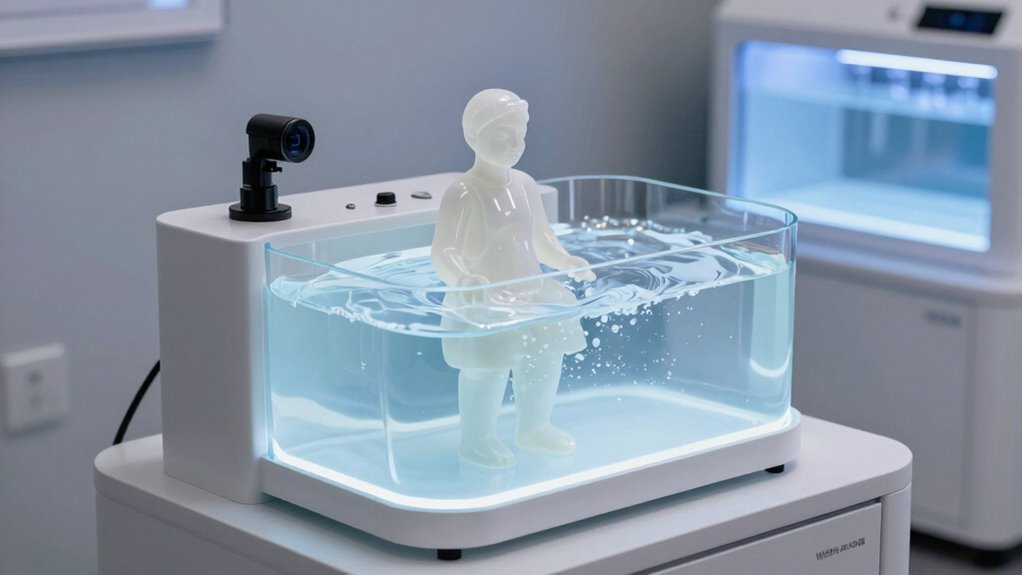
A wash-and-cure station is crucial for achieving high-quality resin prints, as it streamlines the post-processing process and guarantees your models are clean, strong, and ready for use. When working with resin, safety should be your top priority. Resin safety isn’t just about avoiding skin contact; it also involves proper handling and disposal of materials. A dedicated wash station helps contain fumes, minimizes mess, and reduces the risk of accidental spills or exposure. By keeping your workspace cleaner and more controlled, you’re protecting yourself and others from potential health hazards associated with resin chemicals. Incorporating security measures into your workflow can further enhance your safety and compliance. Using a wash-and-cure station also notably improves your curing techniques, which are critical for final print durability and detail. Proper curing ensures your resin models reach their full strength and stability, preventing brittleness or warping over time. Automated or semi-automated curing chambers within these stations provide consistent light exposure, helping you avoid under- or over-curing. This consistency boosts the overall quality of your prints, making sure they’re as strong and accurate as possible. You’ll find that with the right curing process, your models have sharper details, better surface finish, and increased longevity. The combination of washing and curing in one station saves you time and effort. Instead of juggling multiple tools and steps, you can simply move your prints from the wash bay to the curing chamber. This integrated approach reduces handling, further decreasing the chance of damaging delicate features or introducing contaminants. Plus, some stations include features like UV lights or specialized cleaning solutions, which enhance resin safety by reducing the need for aggressive chemicals or manual scrubbing. These features also help ensure your prints are thoroughly cleaned, free of uncured resin, and safe to handle. Another benefit is the consistency in results. Manual post-processing can lead to uneven cleaning or curing, especially if you’re in a hurry or working with multiple models. A dedicated wash-and-cure station automates these steps, providing uniform treatment every time. As you develop your curing techniques, you’ll be able to optimize exposure times for different resins and print types, further enhancing your results. Additionally, understanding the Resin safety guidelines can help prevent health hazards and ensure environmentally responsible disposal of waste. Proper ventilation and fume containment are essential in maintaining a safe workspace when working with resin chemicals. Implementing proper handling procedures can further reduce risks associated with resin use and disposal. In the end, investing in a wash-and-cure station transforms your resin printing routine. It enhances resin safety, guarantees proper curing, and elevates the overall quality of your prints. You’ll spend less time troubleshooting post-processing issues, and more time focusing on your creative projects.
resin 3D printer wash and cure station
As an affiliate, we earn on qualifying purchases.
As an affiliate, we earn on qualifying purchases.
Frequently Asked Questions
Can a Wash-And-Cure Station Be Used for Different Resin Brands?
Yes, you can use a wash-and-cure station for different resin brands, but you need to check resin compatibility first. Many stations are versatile, but some may require specific cleaning solutions to guarantee peak cleaning efficiency. Always follow the manufacturer’s guidelines for each resin type. Using the right cleaning method helps prevent cross-contamination and maintains print quality, making your resin printing process smoother and more dependable across various resin brands.
How Long Does the Curing Process Typically Take?
Think of the curing process as a sunbeam warming your creation. Typically, curing duration varies from 2 to 10 minutes, depending on the resin compatibility and thickness of your print. Thinner or more compatible resins cure faster, while thicker ones may need extra time. Keep an eye on your project, as over-curing can cause brittleness, making precise timing essential to achieve the best finish.
Is a Wash-And-Cure Station Necessary for Small Prints?
A wash-and-cure station isn’t strictly necessary for small prints, but it can greatly improve your results. It guarantees better cleaning efficiency by removing residual resin, especially if your prints are resin-compatible and have intricate details. Using a station saves time and effort compared to manual cleaning and curing, leading to cleaner, more precise prints. If you’re aiming for high quality and consistency, investing in one is a smart choice, even for small projects.
What Safety Precautions Are Required When Using These Stations?
You should always wear gloves and safety goggles to protect your skin and eyes from resin splashes, and guarantee proper ventilation safety by working in a well-ventilated area. Always dispose of resin responsibly to prevent environmental harm. While it might seem tedious, these precautions are essential for safety and compliance. Proper resin disposal and ventilation safety minimize health risks, making your resin printing experience safer and more enjoyable.
How Does the Cost of a Wash-And-Cure Station Compare to Manual Cleaning?
A wash-and-cure station costs more upfront than manual cleaning, but it offers better value over time. It improves cleaning efficiency by quickly removing resin residues, reducing manual effort, and ensuring resin compatibility. While the initial investment might seem high, it minimizes waste, saves time, and results in higher-quality prints. Overall, the station’s efficiency and reliability make it a cost-effective choice for consistent, professional results.
As an affiliate, we earn on qualifying purchases.
Conclusion
Investing in a wash-and-cure station can truly transform your resin printing experience, making it safer and more efficient. Did you know that users report up to 30% faster print times and markedly improved print quality? By streamlining cleaning and curing processes, you’ll save time and achieve smoother, more professional results. So, if you’re serious about resin printing, a dedicated station isn’t just a luxury—it’s a game-changer for your projects.
resin print post-processing station
As an affiliate, we earn on qualifying purchases.
As an affiliate, we earn on qualifying purchases.
As an affiliate, we earn on qualifying purchases.
Fall yard work Picks
leaf blowers
As an affiliate, we earn on qualifying purchases.