
To prevent jewelry findings from becoming the weakest link, choose the right metal for durability and look, such as sterling silver or gold-filled options, suited to your design and wear. Properly prepare and clean findings before soldering, use the right solder, and maintain precise heat during assembly. Focus on quality solder joints and avoid rushing to guarantee strength and longevity. If you keep these tips in mind, you’ll create more durable, professional jewelry that lasts—and there’s more to discover on how to improve your craftsmanship.

Get business pricing on tools and workshop supplies
- Business-only prices and quantity discounts
- Tax-exempt purchasing
- Multiple users, one account, clear invoices
Key Takeaways
- Select the appropriate metal type based on durability, design, and skin sensitivity to prevent weak links.
- Ensure proper soldering techniques with correct heat control and thorough cleaning for strong, seamless joints.
- Use high-quality findings like gold-filled or vermeil for added strength and resistance to tarnishing.
- Regularly inspect and maintain findings to identify and repair potential weak spots early.
- Avoid over-stressing or pulling on findings to prevent stress fractures and prolong their lifespan.
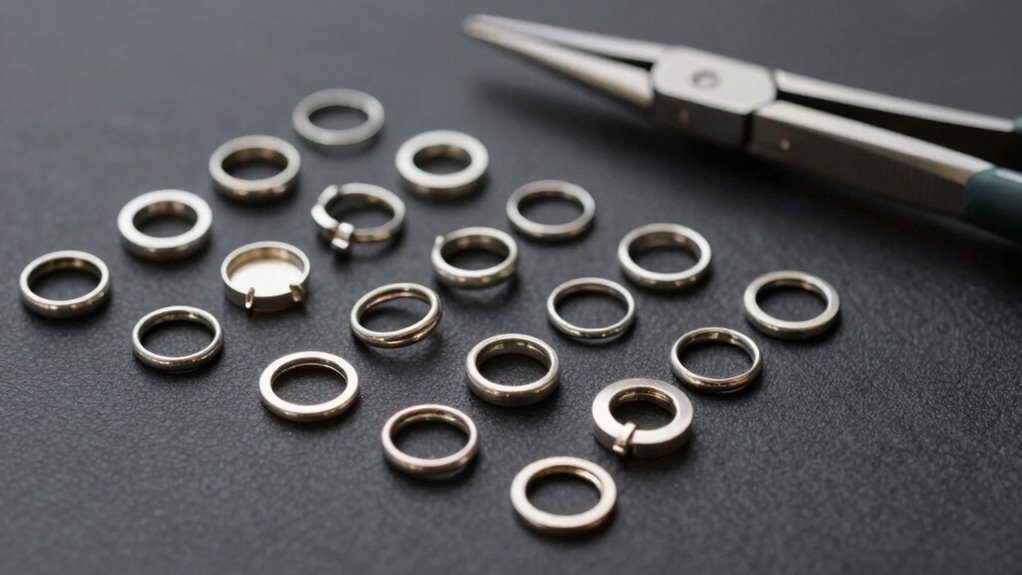
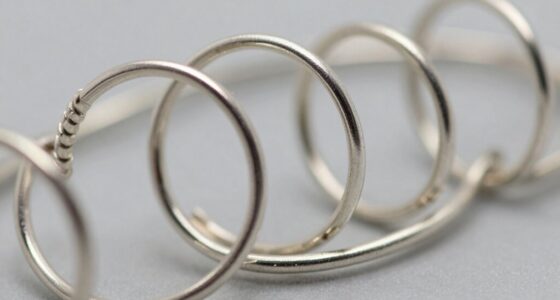
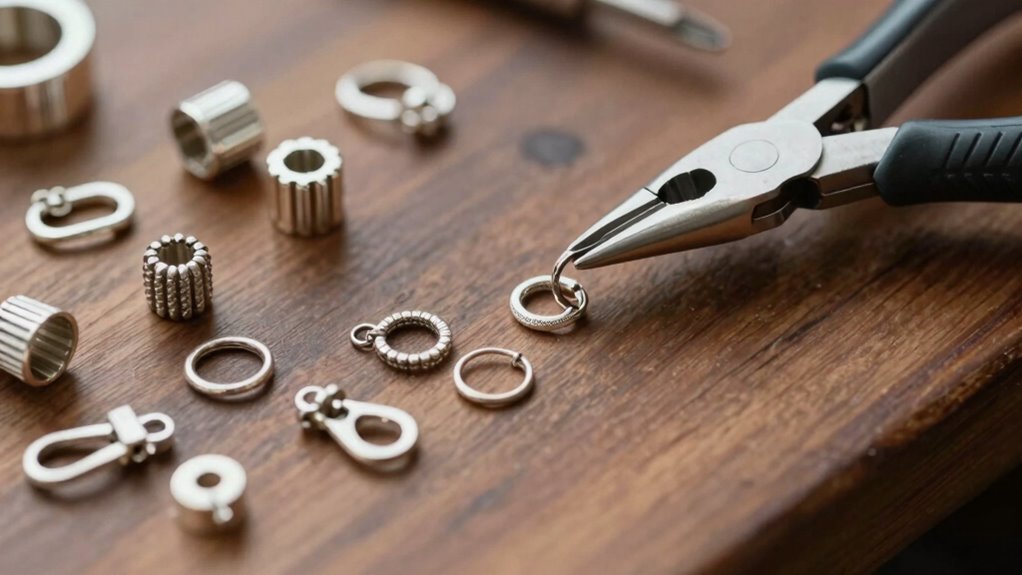
When it comes to creating beautiful jewelry, choosing the right findings can make all the difference. Findings are the small components that connect your pieces, like clasps, jump rings, and earring hooks. If you want your jewelry to last and stay secure, you need to pay close attention to the materials and techniques you use, especially when it comes to metal types and soldering. The type of metal you select impacts durability, appearance, and how well it holds up over time. For example, sterling silver is popular because it’s strong and affordable, but it can tarnish if not properly cared for. Gold-filled or vermeil findings offer a luxurious look without the hefty price tag of solid gold. Copper and brass are budget-friendly options, but they tend to tarnish faster and may cause skin allergies in some people. Choosing the right metal type depends on your design, budget, and how much wear and tear the piece will endure.
Once you’ve selected the appropriate metal, mastering soldering techniques is crucial. Proper soldering creates strong, seamless connections that prevent findings from becoming the weak link in your jewelry. You want to ensure your solder joints are clean, smooth, and fully fused. When soldering, always use the correct type of solder for your metal, and follow safety procedures to avoid accidents. Precise heat control is essential to prevent melting or damaging your findings. Using a small, focused flame and a steady hand helps you achieve neat joints that won’t break under stress. Additionally, cleaning your findings thoroughly before soldering ensures no oils or dirt interfere with the bond. Proper preparation and understanding of metal properties can improve the longevity of your findings. Incorporating proper cleaning techniques and using the right tools can also enhance the quality of your solder joints. Understanding the compatibility of different metals is vital to avoid issues like galvanic corrosion or weakening of the joints over time. Being aware of lab safety procedures can also help prevent accidents when working with high heat and potentially hazardous chemicals.
Incorporating the right soldering techniques and selecting appropriate metal types go hand-in-hand to strengthen your jewelry. When you take the time to learn and practice proper soldering methods, your findings become more durable and less likely to fail. This means fewer repairs and happier customers or yourself in the long run. Remember that patience and precision are key. Don’t rush the process—careful preparation and attention to detail will significantly improve the quality of your finished pieces. With the right knowledge of metal types and soldering techniques, you can confidently create jewelry where every part, including the findings, is designed to last. Keep practicing, and your pieces will become more resilient and professional-looking over time.
As an affiliate, we earn on qualifying purchases.
Frequently Asked Questions
What Are the Most Common Types of Jewelry Findings?
You’ll find that the most common jewelry findings include metal alloys like brass, copper, and sterling silver, along with clasps, jump rings, head pins, and ear wires. To guarantee durability, always consider safety precautions, such as choosing hypoallergenic materials and avoiding weak solder joints. Properly selecting and handling these findings helps prevent breakage, making your jewelry more secure and long-lasting.
How Do I Choose the Right Findings for My Project?
Think of choosing findings like selecting the perfect frame for a masterpiece—you want durability and style. Start with your design inspiration, then consider material compatibility to guarantee strength and aesthetics. If you’re creating delicate earrings, opt for small, sturdy components that match your beads or gemstones. For statement pieces, choose robust findings that support your vision. Balancing these elements helps you pick the right findings, making sure your jewelry stays secure and beautiful.
Can Findings Be Reused After Disassembly?
Yes, you can reuse findings after disassembly if they’re properly sterilized. Use finding sterilization methods like alcohol wipes or ultrasonic cleaners to remove dirt and oils, ensuring they’re clean and safe for reuse. Opt for eco-friendly findings whenever possible, as they promote sustainability and reduce environmental impact. Carefully inspect the findings for any damage or wear before reusing them to maintain jewelry quality and integrity.
What Tools Are Best for Attaching Jewelry Findings?
Like an artist wielding a fine brush, you should choose the right tools for attaching jewelry findings. For clasps, use chain nose or round nose pliers to secure loops firmly. When attaching pin styles, wire cutters and flat nose pliers help tighten connections without damaging delicate components. These tools give you precision, helping your findings stay strong and reliable, much like the enduring beauty of a well-crafted masterpiece.
How Do I Repair Damaged Jewelry Findings?
To repair damaged jewelry findings, you should first clean and assess the damage. Use decorative techniques like soldering or wire wrapping to reinforce weak areas, ensuring they blend seamlessly with the original design. Consider the historical significance of the piece when choosing repair methods, preserving its authenticity. If you’re unsure, consult a professional jeweler to maintain the integrity and value of your jewelry while effectively restoring damaged findings.
As an affiliate, we earn on qualifying purchases.
Conclusion
By carefully selecting quality findings and properly securing them, you can prevent your jewelry from falling apart. It’s tempting to cut corners to save time or money, but doing so often leads to weak points that compromise your entire piece. Remember, investing a little extra effort and materials now guarantees your jewelry stays beautiful and durable for years to come. Don’t settle for less—your creations deserve the best foundation to shine confidently.
As an affiliate, we earn on qualifying purchases.
As an affiliate, we earn on qualifying purchases.
Halloween Picks
halloween
As an affiliate, we earn on qualifying purchases.