To make your handmade details stand out, use strong contrast techniques like pairing opposing or complementary colors and combining different textures. Bright hues against neutral backgrounds or glossy finishes next to matte surfaces highlight craftsmanship. Proper lighting and viewing angles enhance these effects by creating shadows and emphasizing colors and textures. Be selective with contrast, balancing busy areas with simpler ones to avoid visual chaos. Keep exploring these strategies to master how contrast can truly showcase your craftsmanship.

Get tools and workshop supplies delivered free — and shop member deals
- Fast, free delivery on millions of items
- Access to Prime Big Deal Days deals on October 6–7
- Prime Video, Amazon Music and more included
Key Takeaways
- Choose contrasting colors, such as complementary or deep vs. bright hues, to highlight intricate details effectively.
- Incorporate texture variations—smooth versus rough surfaces—to create visual and tactile emphasis on craftsmanship.
- Use lighting strategically to cast shadows and enhance the contrast of colors and textures.
- Surround detailed areas with simpler backgrounds to direct focus and prevent visual clutter.
- Adjust viewing angles to maximize the visibility and impact of contrast in showcasing handmade elements.
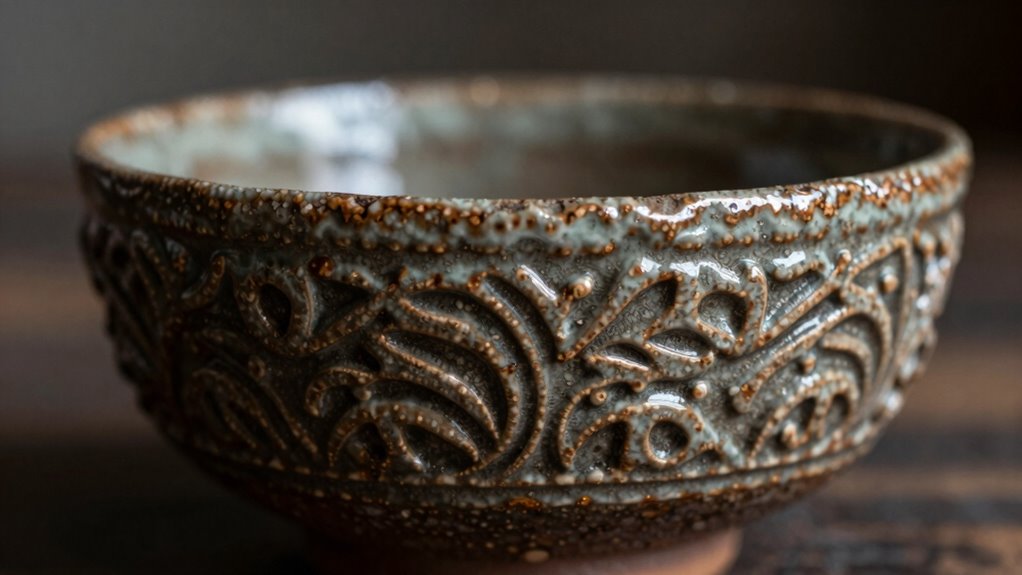
When showcasing handmade items, using contrast is one of the most effective ways to draw attention to intricate details. Whether you’re crafting jewelry, pottery, or textiles, contrast helps your work stand out and emphasizes the skill and effort behind each piece. To achieve this, focus on how color pairing and texture variation can create visual interest and depth.
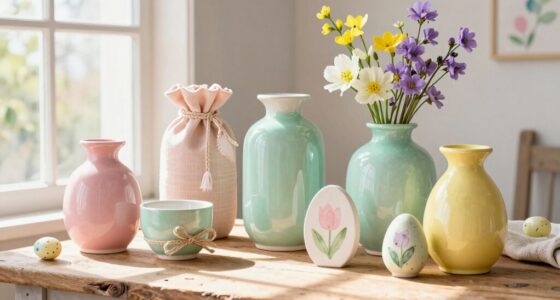
Start with color pairing. Select colors that naturally oppose or complement each other to make your details pop. For example, pairing a deep, rich hue with a bright, vibrant shade creates a striking visual contrast that naturally draws the eye. If your piece features delicate embroidery or painted accents, choose background colors that make those details stand out vividly. Bright colors against neutral backgrounds are especially effective, as they highlight fine lines and small embellishments without overwhelming the viewer. Conversely, using contrasting shades within a monochromatic palette can add subtle depth, making the intricacies more noticeable without clashing. Understanding basic color theory can help you select harmonious yet contrasting hues more effectively.
Pair bold and subtle colors to make intricate details stand out beautifully.
Texture variation is another powerful tool for contrast. When you combine different textures within your handmade work, you create tactile and visual interest that guides the viewer’s eye across the piece. For instance, pairing smooth, glossy ceramics with rough, matte finishes accentuates the craftsmanship of each element. In textiles, mixing soft, plush fabrics with coarse, woven materials highlights the skill involved in each technique. When you intentionally incorporate contrasting textures, you encourage viewers to explore the details more thoroughly, appreciating the layers of effort and artistry involved. Additionally, understanding how visual contrast influences viewer perception can help you craft more compelling pieces. Incorporating lighting considerations can further enhance these textural differences, as it can cast shadows and highlights that make details pop, especially when viewed from different angles. A thorough understanding of lighting effects and how they interact with contrast can help elevate your work further.
It’s essential to balance contrast carefully so that your piece remains harmonious rather than chaotic. Think about the overall composition and how each element interacts. Use contrast selectively to emphasize specific details rather than overwhelming the entire piece. For example, if your main focus is a finely detailed beadwork, surround it with simpler, less textured areas. This contrast will make the detailed work the focal point, drawing attention without competing with other elements. Moreover, paying attention to lighting conditions can dramatically influence how contrast appears, making your handmade details even more striking.
Finally, don’t forget to consider lighting and viewing angles. Proper lighting enhances color pairing and texture variation, casting shadows that further accentuate your handmade details. When you understand how these contrast techniques work together, you’ll be able to create pieces that truly captivate and showcase your craftsmanship. Using contrast effectively transforms your handmade items into eye-catching works of art, highlighting the effort and creativity behind each detail.
handmade jewelry contrast techniques
As an affiliate, we earn on qualifying purchases.
As an affiliate, we earn on qualifying purchases.
Frequently Asked Questions
How Do Color Contrasts Enhance Handmade Details Effectively?
Color contrasts enhance handmade details by creating visual interest and emphasizing craftsmanship. You can achieve this through color harmony, pairing complementary or contrasting hues that make details pop. This technique not only highlights intricate work but also adds emotional impact, drawing viewers’ attention and evoking feelings. By thoughtfully combining contrasting colors, your handmade pieces become more dynamic and engaging, ensuring your craftsmanship truly stands out.
What Materials Work Best for Creating Contrast in Handmade Projects?
You should choose materials that offer strong texture variation, like combining smooth ceramics with rough textiles, to create visual contrast. Material combinations such as wood and metal, or glass and fabric, work well because they highlight different qualities. These contrasts draw attention to handmade details, making your project more engaging. Experimenting with mix-and-match textures and materials will help your craftsmanship stand out and add depth to your work.
How Can Contrast Be Used to Create Depth in Handmade Art?
Imagine a mountain range at sunset, where shadows cast depth and texture variation defines each peak. You can use contrast to create depth in your handmade art by emphasizing shadow play and varying textures. Darker areas recede, while lighter, textured elements come forward. By skillfully contrasting smooth with rough surfaces and deep shadows with highlights, you give your piece a three-dimensional feel that draws viewers into your artwork.
Are There Any Common Mistakes to Avoid When Using Contrast?
When using contrast, avoid common mistakes like overemphasizing texture blending or disrupting proportion balance. Too much contrast can make your artwork feel harsh or chaotic, so make certain you balance light and dark areas carefully. Keep in mind that exaggerated contrast may distract from your handmade details instead of highlighting them. Practice moderation, check proportions regularly, and blend textures smoothly to maintain harmony and make your details truly stand out.
How Does Lighting Influence Contrast in Handmade Displays?
Lighting plays a vital role in shaping contrast in your handmade displays. With strategic lighting techniques, you can create dramatic shadow play that highlights intricate details, making them pop. Bright, focused lights draw attention, while softer, diffused lighting adds depth and mystery. As shadows dance across your pieces, the contrast intensifies, engaging viewers and revealing textures they might otherwise miss. Mastering this balance transforms your display into a visual masterpiece.
As an affiliate, we earn on qualifying purchases.
Conclusion
By embracing contrast, you illuminate the unique heartbeat of your handmade details, turning every stitch and brushstroke into a beacon of your artistry. Think of contrast as the lighthouse guiding your work through the fog of the ordinary, revealing the extraordinary within. When you master this technique, your craftsmanship becomes a flame that draws others in, inviting them to see the depth and soul woven into each piece. Let contrast be the compass that leads your artistry to stand out boldly and beautifully.
As an affiliate, we earn on qualifying purchases.
As an affiliate, we earn on qualifying purchases.
Fall yard work Picks
leaf blowers
As an affiliate, we earn on qualifying purchases.