TL;DR

Get business pricing on tools and workshop supplies
- Business-only prices and quantity discounts
- Tax-exempt purchasing
- Multiple users, one account, clear invoices
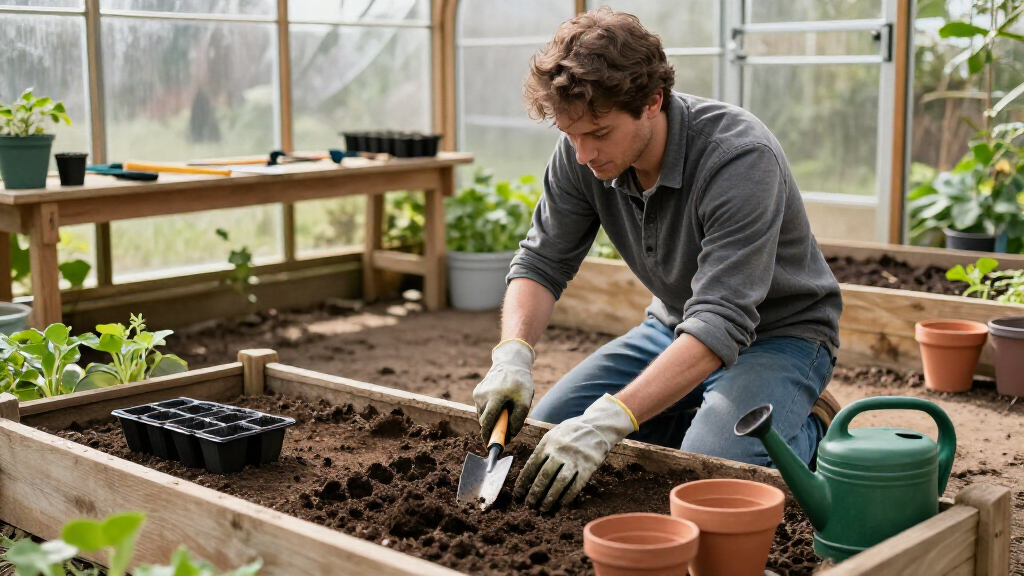
A House Beautiful report outlines seven autumn tasks experts recommend before winter, including removing edible debris and diseased plants, planting bulbs and garlic, and protecting tools and hoses from freezing. The advice is intended to reduce winter damage and leave gardeners better prepared for spring; local timing depends on frost and ground conditions.
A House Beautiful report recommends seven fall garden tasks to help gardeners protect their beds and equipment through winter and reduce the work waiting in spring. The checklist, based on advice from gardening experts, includes clearing leftover produce and diseased plants, planting spring bulbs and garlic, watering dry soil, adding compost and draining hoses before freezing weather.
The report says gardeners can begin closing beds as annuals and warm-weather vegetables die back, with the first light frost serving as a seasonal signal. Corinne Beirne, founder of The Nourished Garden, advises removing leftover edible crops, since rotting fruit and vegetables can attract pests. Removing old plant material may also reduce places where insects and disease organisms persist over winter.
For plants that suffered from blight, mildew or pests, Hoselink brand ambassador Abbie Edwards recommends pulling them out and disposing of them rather than putting them in a compost pile. For healthy spent plants, Beirne suggests cutting stems at soil level instead of removing the entire root system, which she says can support soil life. The experts also caution against clearing everything: seed heads on coneflowers and rudbeckia, some grasses, hollow stems and leaf litter can provide food or shelter for wildlife.
Autumn is also a planting window for spring-flowering bulbs, garlic and shallots. Edwards says many bulbs need a period of cold to flower properly, while garlic and shallots benefit from cold exposure as they develop. After planting, John Ballard, founder of That Yucca Stuff, recommends watering dry soil deeply before it freezes. The report also advises spreading a thin layer of compost on the soil surface without tilling it in, and storing garden equipment in a dry, sheltered place.
Fall Work Can Reduce Spring Cleanup
These recommendations matter because fall maintenance can address problems before they carry into the next growing season. Removing rotting produce and plants affected by disease or pests may reduce attractants and potential sources of recurring trouble. Leaving healthy roots in place and adding surface compost, meanwhile, are presented as ways to support the soil without extensive digging.
Winter preparation also protects plants and equipment when access to water becomes limited. Ballard says moist soil holds heat better than dry soil, and plants have less access to water once the ground freezes. Edwards warns that water left in hoses, fittings and irrigation lines can freeze and cause cracks. Completing these tasks before hard freezes may help gardeners avoid damaged equipment and give new plantings a better start.
As an affiliate, we earn on qualifying purchases.
The Checklist Follows the First Frost
The report frames autumn as a period for winding down warm-season gardening while preparing for the next cycle. Its timing guidance is not a single calendar date: Edwards describes the first light frost as a cue to clear expired plants, while several tasks—especially watering and draining irrigation equipment—should be completed before the ground or water lines freeze.
The advice combines cleanup with selective habitat protection. Diseased material is treated differently from healthy stems and seed heads: the former should be removed and not composted, while some of the latter can remain for birds and beneficial insects. The report also recommends taking a soil sample and sending it to a local county extension office, so gardeners have time to review results and plan any amendments for spring.
“Taking a bit of time right in autumn protects your soil, reduces pests and disease, and keeps your plants and tools safe from winter damage.”
— Abbie Edwards, gardening expert and Hoselink brand ambassador
spring flowering bulb planting kit
As an affiliate, we earn on qualifying purchases.
As an affiliate, we earn on qualifying purchases.
Timing Depends on Local Conditions
The report does not give region-specific dates or planting depths, and the right timing will depend on local frost patterns, soil conditions and the plants a gardener is growing. It also does not quantify how much these steps reduce pests, disease or winter damage. The recommendations are expert guidance, not a guarantee that particular plants will survive or that problems will not return.
Gardeners should check instructions suited to their climate and plant varieties, especially for bulb planting and watering before freezes. The report does not identify particular soil amendments; it recommends getting a soil analysis before deciding whether amendments are needed.
As an affiliate, we earn on qualifying purchases.
Use Soil Results to Plan Spring
Before the ground freezes, gardeners can work through the cleanup, planting, watering and equipment-protection steps, adjusting the schedule to local weather. A soil sample sent to a county extension office can provide information to guide spring preparation, according to Ballard.
In spring, gardeners can review those results and decide whether soil amendments are needed, then check beds for winter damage and prepare for planting. The source report does not specify a publication date or a follow-up schedule, so no further milestone is confirmed.
As an affiliate, we earn on qualifying purchases.
Key Questions
When should I start preparing my garden for winter?
The report points to the first light frost as a cue to begin clearing plants that have finished producing. Complete watering and hose or irrigation winterization before the ground and lines freeze; exact timing varies by location.
Which plants should not go into the compost?
Abbie Edwards advises disposing of plants affected by blight, mildew or pests rather than composting them, because problems may persist and return. The report does not give composting guidance for every type of plant waste.
Should I remove all stems and leaves from garden beds?
No. The experts recommend clearing diseased or excess material, but leaving some seed heads, hollow stems and leaf litter can provide food or shelter for birds and beneficial insects.
Why drain hoses and irrigation lines?
Water left in hoses, fittings and irrigation lines can freeze and cause cracks, Edwards warns. She recommends disconnecting equipment from the tap, draining drip lines, removing batteries from tap timers and storing hoses in a sheltered place.
How can I find out whether my soil needs amendments?
John Ballard recommends taking a soil sample and sending it to a local county extension office for analysis. The report says results can help gardeners plan any needed amendments before spring.
Source: rss
Halloween Picks
halloween
As an affiliate, we earn on qualifying purchases.