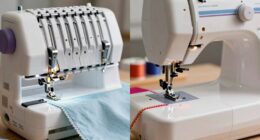

Handmade gifts often feel more precious because they show genuine thought and effort beyond their monetary value. When you create something yourself, it reflects personal care and a deep emotional connection that simple store-bought items often lack. These gifts symbolize sincerity and attention to your loved ones’ tastes, making them more meaningful. If you want to understand why these personal touches make a lasting impact, keep exploring how effort shapes emotional bonds.
Key Takeaways
- Handmade gifts show genuine effort and thoughtfulness, making them feel more meaningful than costly or mass-produced items.
- Personalization and effort in creating a gift strengthen emotional bonds and evoke feelings of warmth and care.
- Simple handmade items often carry deeper emotional significance because they reflect time and attention to the recipient’s preferences.
- The perceived sincerity of handmade gifts enhances their value, emphasizing authentic connection over material worth.
- Sharing a piece of oneself through handmade gifts creates lasting memories and symbolizes genuine affection.
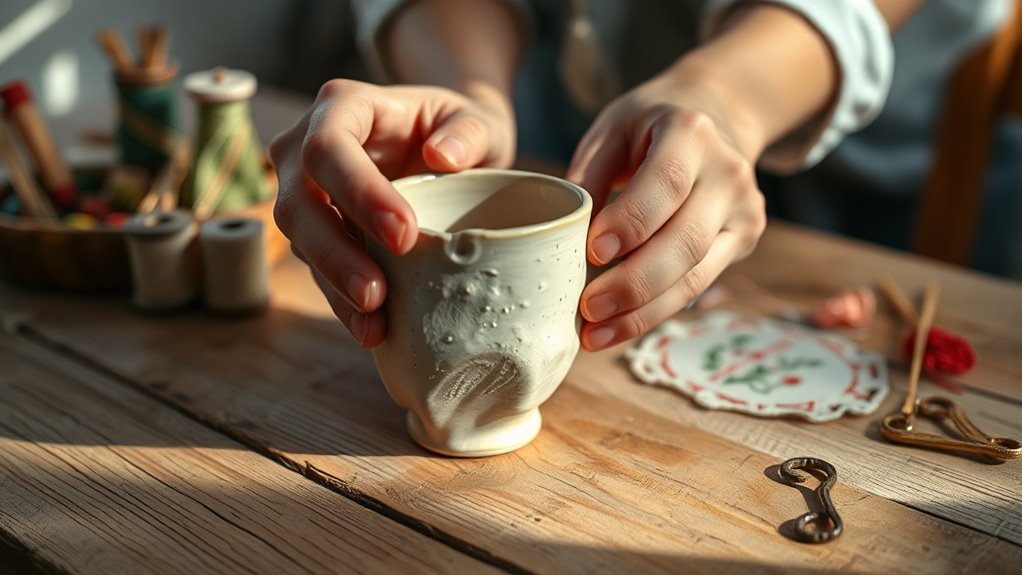
Handmade gifts hold a special place in our hearts because they reflect thoughtfulness and effort that store-bought items often can’t match. When you craft something yourself, you’re not just giving a physical object; you’re sharing a piece of yourself, which deepens the emotional connection between you and the recipient. This personal touch makes the gift more meaningful, because it shows you’ve invested time and energy into creating something unique. The perceived effort behind handmade gifts is often more noticeable than you might realize, and it plays a significant role in how cherished the gift feels. When someone takes the time to make something by hand, it signals that they truly care, which enhances the emotional impact.
You might wonder why simple, handmade items often feel more precious than elaborate, expensive presents. The answer lies in perception — people tend to associate handmade gifts with sincerity and authenticity. The effort you put into even a modest project demonstrates your genuine intentions, fostering a sense of closeness that store-bought gifts rarely achieve. It’s not necessarily about the complexity or cost but rather the intention behind it. When you create something yourself, you’re conveying that you prioritized the recipient’s happiness enough to dedicate your time and skills. This perceived effort resonates on a deeper level, making the gift feel more special and memorable.
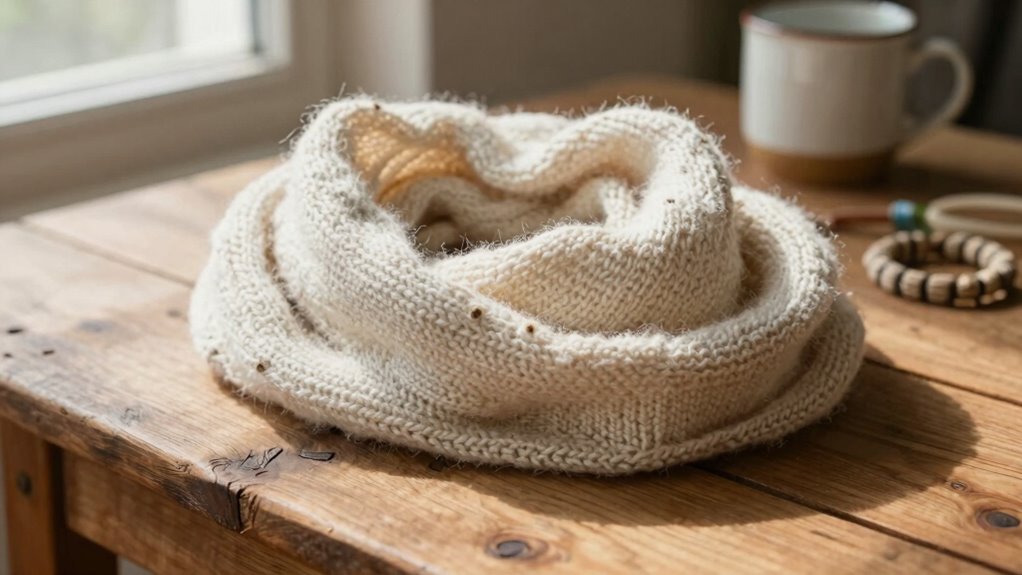
Moreover, handmade gifts often carry an emotional weight because they’re rooted in shared experiences or personal memories. For example, a knitted scarf made from yarn in your favorite colors can evoke feelings of warmth and care, reminding the recipient of your thoughtfulness every time they wear it. These tangible symbols of effort can serve as lasting tokens of your relationship. The act of making a gift also allows you to tailor it specifically to the recipient’s tastes and preferences, which enhances the emotional connection. It’s this personalized touch that elevates a simple handmade item into a treasured keepsake.
In addition, understanding the psychology of effort involved in crafting a gift can deepen appreciation and foster stronger bonds. The beauty of handmade gifts isn’t just in their appearance but in what they represent: your time, effort, and affection. These qualities forge a deeper emotional bond that surpasses material value. When you give a handmade gift, you’re offering more than an object—you’re sharing a piece of your heart. That’s why, even in a world saturated with mass-produced items, a simple, handcrafted gift can feel more precious, because it captures the true spirit of thoughtfulness and perceived effort that everyone values.
Amazon Product B0F25T39CL
As an affiliate, we earn on qualifying purchases.
Frequently Asked Questions
How Does Receiving Handmade Gifts Affect Long-Term Relationships?
Receiving handmade gifts strengthens your long-term relationships by fostering emotional bonding and trust building. When someone creates something just for you, it shows genuine thought and effort, which deepens your connection. This act of kindness encourages open communication and mutual appreciation, making your bond more resilient over time. You feel valued and understood, reinforcing trust and emotional intimacy that last, turning simple gifts into lasting symbols of your relationship.
Do Cultural Differences Influence Perceptions of Handmade Versus Store-Bought Gifts?
You’ll find that cultural differences definitely influence how you perceive handmade versus store-bought gifts. In some cultures, gift-giving customs emphasize thoughtfulness and effort, making handmade items more cherished. Others value practicality or brand names. Cultural expectations shape your view, and understanding these nuances helps you appreciate the significance behind each gift. Remember, it’s often the thought that counts, but knowing the cultural context adds an extra layer of meaning.
Can Making Handmade Gifts Improve One’s Mental Health?
Making handmade gifts can boost your mental health by fostering mindfulness practice, helping you stay present and focused. As you craft, you build emotional resilience, learning to manage stress and setbacks more effectively. This creative process encourages self-expression and achievement, which can improve your mood and self-esteem. By dedicating time to handmade projects, you nurture your well-being while creating meaningful connections with others.
How Does the Nostalgia Factor Impact the Value of Handmade Gifts?
Imagine giving a handmade quilt that your grandmother once used. The nostalgic value deepens your emotional connection, making the gift feel more precious. The nostalgia factor amplifies the gift’s significance by evoking memories and shared experiences, strengthening bonds. This emotional connection enhances the recipient’s appreciation, turning a simple handmade item into a meaningful keepsake. You recognize that the sentimental weight often surpasses the gift’s material worth.
Are Children as Emotionally Attached to Handmade Gifts as Adults?
Children often form strong emotional attachments to handmade gifts because these items foster emotional security and deepen their sense of connection. Unlike adults, children’s attachment styles make them more sensitive to the love and effort behind a gift. When you give a handmade present, it helps children feel valued and secure, strengthening their emotional bond with you and reinforcing their sense of trust and attachment.
Amazon Product B009YNG21U
As an affiliate, we earn on qualifying purchases.
Conclusion
When you give or receive a handmade gift, it’s like uncovering a hidden treasure—simple yet deeply meaningful. You realize that the effort and thought behind it often matter more than the gift’s size or price. So, next time you create or cherish something handmade, remember: it’s not about perfection, but the love poured into it. Like a warm hug, these gifts remind us that sometimes, the simplest things hold the greatest value.
Amazon Product B0D9NJZHJS
As an affiliate, we earn on qualifying purchases.
Amazon Product B00EKT30JK
As an affiliate, we earn on qualifying purchases.