The “ugly phase” in crafting is completely normal, and your first projects often look uneven or flawed because you’re still learning techniques and materials. Mistakes are part of the process and help you improve, so don’t be discouraged. Keep practicing, track your progress, celebrate small wins, and stay patient through setbacks. With consistent effort, your skills will improve, and your projects will start to look better—if you stick with it, you’ll discover how to turn flaws into mastery.
Key Takeaways
- Early crafting attempts often look rough due to unfamiliarity with techniques and materials.
- Mistakes are natural learning steps; viewing them as progress helps build patience and resilience.
- Consistent practice and seeking feedback improve skills, reducing the “ugly” appearance over time.
- Tracking small wins and milestones boosts confidence and motivates continued effort.
- Embracing the learning process and community support makes overcoming the “ugly phase” easier.
Understanding the Learning Curve in Crafting
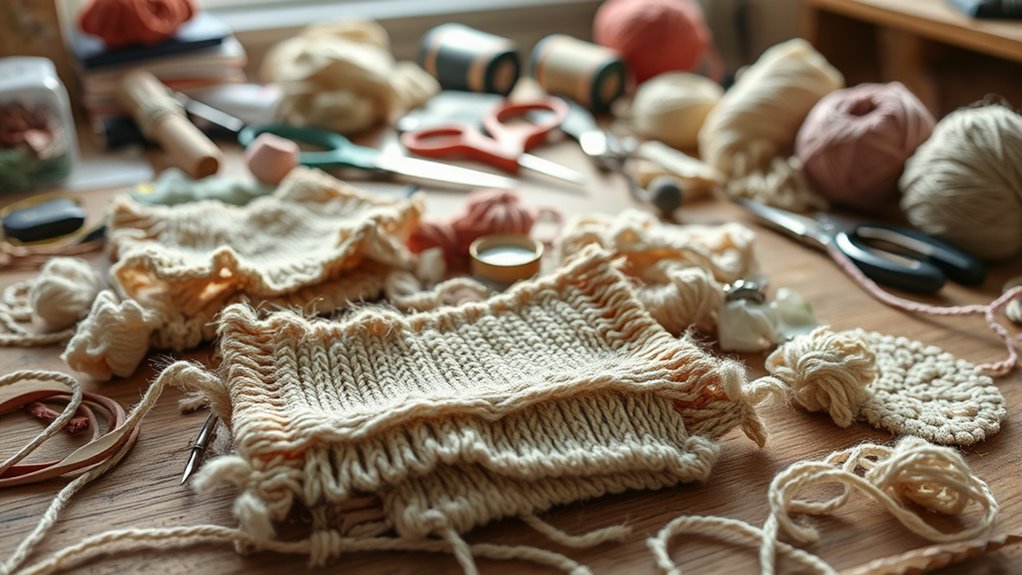
When you start learning to craft, the initial phase often feels overwhelming because you’re still getting familiar with the techniques and materials. It’s important to understand that this is part of the learning curve. You’ll make mistakes, but that’s natural and essential for skill development. Learning patience is key—you won’t master everything right away, and that’s okay. Every project, even the flawed ones, helps you improve. As you practice, you’ll notice your techniques become more refined, and your confidence grows. Remember, crafting is a journey, not a race. Embrace the early struggles as valuable lessons. Recognizing the importance of consistent practice can accelerate your progress and help you overcome the “ugly” early stages. Additionally, understanding the learning curve can motivate you to keep going despite setbacks. This understanding can also help you set realistic expectations and avoid frustration during the initial learning process. Developing an awareness of technique mastery can further boost your confidence and craftsmanship. To further enhance your skills, consider studying body jewelry measurements and materials, which can lead to better jewelry choices and more comfortable, attractive results.
Common Reasons Your First Projects Don’t Turn Out Perfect
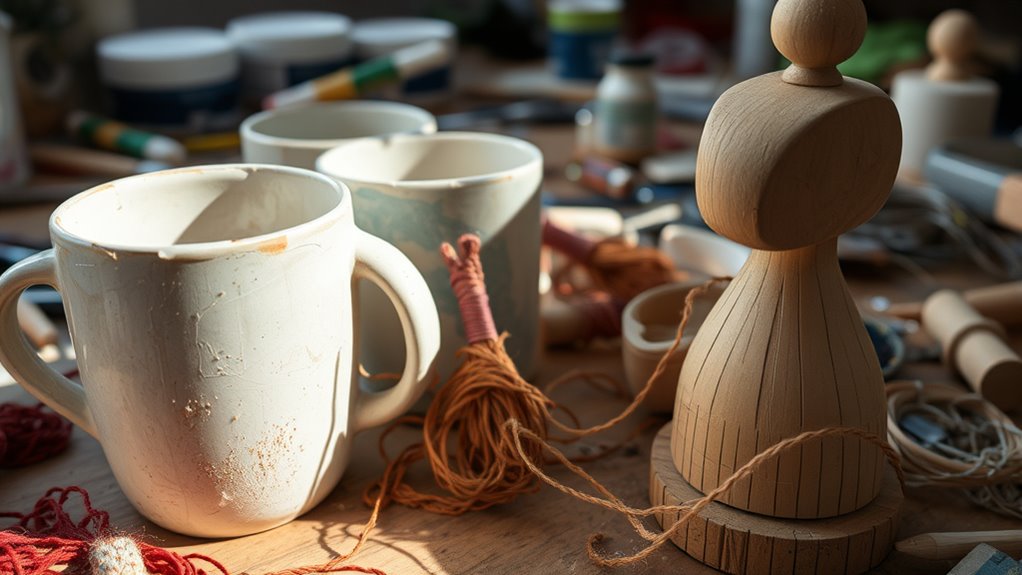
It’s common for first projects to fall short of perfection, especially when you’re just starting out. Many issues stem from simple missteps, such as poor materials selection, which can cause your project to look cheap or fall apart. Inexperience with technique mastery often leads to uneven stitches, sloppy finishes, or unbalanced designs. You might also struggle with understanding how different materials behave, like how fabric reacts to cutting or how paint adheres to surfaces. Recognizing technique mastery as a crucial part of skill development can help you improve your craftsmanship over time. Visualize your work as:
- Frayed edges or uneven seams
- Colors that don’t blend as expected
- Shapes that don’t hold their form
Understanding the importance of color accuracy can help you choose the right colors and calibration methods for better results. Additionally, being aware of material behavior can guide you in selecting appropriate tools and techniques for different projects. Developing an understanding of essential oil properties can also provide insights into how different ingredients interact and perform, which is valuable in crafting effective remedies. These problems are part of the learning process. Recognizing these common reasons helps you improve and refine your skills over time.
Embracing Mistakes as Stepping Stones

Mistakes are an inevitable part of the creative process, and rather than seeing them as setbacks, you should view them as valuable learning opportunities. Creative mishaps often feel frustrating, but they’re essential for skill development. Each mistake reveals what doesn’t work, helping you refine your technique and deepen your understanding. Embracing these errors allows you to see your progress over time, rather than focusing solely on perfection. When you accept mistakes as part of growth, you become more willing to experiment and take risks. Remember, every flawed project is a stepping stone toward mastery. By shifting your perspective, you’ll build resilience and confidence, knowing that the ugly phase is simply a necessary stage on your journey to better craftsmanship.
Techniques to Improve Your Skills Over Time

Consistent practice is the most effective way to sharpen your skills over time. As you work through your projects, focus on practice patience and seek feedback regularly. To improve, try these techniques:
- Dedicate daily time to refine specific skills, gradually increasing difficulty.
- Review your work critically, identifying areas for growth without self-judgment.
- Connect with others, sharing your progress and asking for constructive feedback to gain new perspectives.
Staying Motivated During the Early Stages

Starting a new project can feel overwhelming, especially in the early stages when progress seems slow and challenges appear more intimidating. During this time, it’s essential to focus on cultivating patience and building your creative confidence. Remind yourself that every craftsperson faces the “ugly phase” and that initial mistakes are part of the process. Keep your goals realistic and celebrate small wins to maintain motivation. Trust that with consistent effort, your skills will improve. When you believe in your potential and accept that growth takes time, it becomes easier to stay committed. Remember, persistence and patience cultivate confidence, turning early struggles into stepping stones toward mastery. Staying motivated during this phase can be further reinforced by understanding that anime movies and animated storytelling often go through similar developmental stages before reaching their peak. Recognizing that progress in craft takes time can help normalize the process and motivate you to keep going. Additionally, embracing learning from mistakes as part of growth can deepen your resilience and understanding of your craft. Stay focused, and don’t let the early setbacks discourage you. Recognizing that this phase is a common experience among crafting enthusiasts can help normalize the process and motivate you to keep going. Embracing the importance of self-awareness in your development can also enhance your resilience during setbacks.
Celebrating Progress and Recognizing Growth
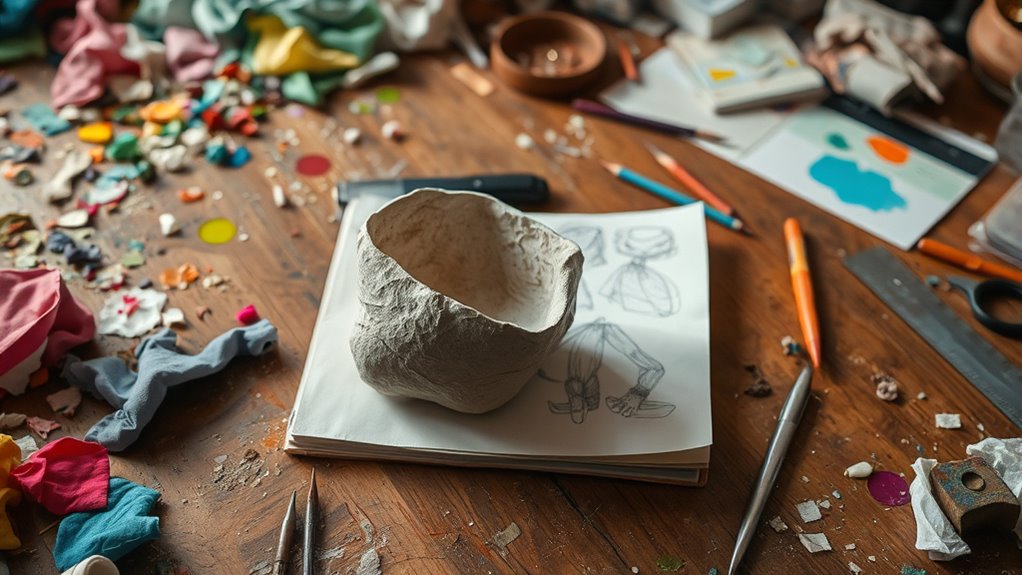
You should take time to celebrate your progress, no matter how small it seems. Tracking your small wins helps you see steady growth and stay motivated through the ugly phase. Recognizing these milestones encourages you to embrace imperfections and keep moving forward. Incorporating support from sleep hygiene options can also provide energy and encouragement during challenging times. Practicing self-kindness can further reinforce your resilience and positive mindset as you develop your skills. Additionally, choosing the right tools, like garage door openers, can make a significant difference in your overall progress and confidence in your crafting journey.
Embrace Early Imperfections
Though it can be tempting to dismiss early mistakes as signs of failure, embracing these imperfections is essential for growth. When you accept that your initial attempts are part of the process, you build creative confidence and foster artistic patience. These early flaws, like uneven stitches or off-center designs, are stepping stones, not setbacks. Visualize your progress as:
- A rough sketch evolving into a masterpiece
- A messy palette turning into vibrant art
- A tangled yarn transforming into a neat weave
Celebrating these imperfections helps you see your work’s potential, rather than its flaws. Every mistake is a sign of experimentation and learning. By embracing early imperfections, you create space for growth and innovation, making your final piece even more meaningful. Recognizing progress in your craft encourages persistence and resilience along your creative journey.
Track Small Wins
Celebrating small wins keeps you motivated and shows tangible signs of progress along your creative journey. Recognizing small victories helps you see that your efforts are paying off, even if the overall project still feels rough. Tracking progress milestones gives you clear evidence of improvement, making it easier to stay committed during the “ugly phase.” When you celebrate each small success, you reinforce positive habits and boost your confidence. These moments provide motivation and remind you that progress, no matter how minor, is still progress. By acknowledging these victories, you create a sense of momentum that keeps you moving forward, helping you push through the early struggles and stay focused on your creative goals. Incorporating AI-powered analytics can help you better understand your progress and identify areas for continuous improvement. Additionally, understanding how market sentiment influences your creative process can provide valuable insights into audience preferences and trends, much like selecting the right juice extraction techniques can enhance the flavor and health benefits of your beverages.
Celebrate Steady Growth
Recognizing steady growth reinforces your commitment and highlights how consistent effort leads to meaningful progress. When you celebrate small victories, you build creative patience and encourage skill development. It’s about noticing that each step, no matter how minor, moves you forward. Visualize:
- Watching your technique sharpen with every practice session
- Seeing subtle improvements in your craft over time
- Feeling confidence grow as your work becomes more refined
Celebrating these moments keeps you motivated and reminds you that progress isn’t always dramatic but steadily accumulates. By appreciating your ongoing development, you reinforce a growth mindset. This mindset helps you embrace the “ugly phase” as a essential part of mastery, where patience and persistence turn initial mistakes into polished skills. Additionally, understanding the importance of contingency plans can help you prepare for setbacks and keep your progress on track.
Frequently Asked Questions
How Long Does the “Ugly Phase” Typically Last?
The ugly phase can feel endless, sometimes lasting weeks or even months, making you think your project will never improve. But don’t worry—this is normal! As you hit skill milestones and refine your techniques, your project timeline will speed up. Typically, with consistent effort, this rough stage starts to fade after a few weeks, revealing the beauty of your progress and boosting your confidence to keep going strong.
Should I Start With Complex Projects or Simple Ones?
Start with simple projects to build confidence and avoid beginner mistakes. Complex projects can be overwhelming during the “ugly phase,” making it harder to see progress. Focusing on straightforward projects lets you practice techniques, understand materials, and develop skills without frustration. As you gain experience and improve, gradually tackle more complex projects. This approach keeps you motivated and minimizes the risk of discouragement early on.
How Do I Know When My Skills Have Improved?
You’ll know your skills have improved when you notice progress indicators, like smoother techniques, better accuracy, and more confidence in your work. Skill development happens gradually, so pay attention to small wins, such as tackling more complex projects or finishing tasks faster. If you’re feeling more comfortable and your efforts look more polished, it’s a clear sign that your skills are developing. Keep practicing, and you’ll see continuous growth.
What if I Feel Discouraged by Early Failures?
Feeling discouraged by early failures is normal—think of it as your own personal “trial by fire,” like the first time you used a dial-up modem. Self-doubt creeps in, but perseverance is key. Remember, every mistake is a step toward mastery. Keep practicing, embrace the ugly phase, and trust that progress will come. Your skills will improve, and soon, these setbacks will be just a distant memory.
Are There Specific Resources to Help Improve Faster?
Yes, you can find great resources to improve faster. Online tutorials are perfect for quick, focused skill building, guiding you step-by-step. Additionally, skill building courses offer structured lessons and feedback, helping you progress more efficiently. Use these tools regularly to refine your techniques, stay motivated, and see steady improvement. Remember, consistent practice with the right resources accelerates your growth and helps you move past the ugly phase quicker.
Conclusion
So, next time your project looks a little rough, remember—you’re just in the “ugly phase.” It’s part of the journey, a sign you’re learning and growing. Stick with it, embrace every mistake, and celebrate each small win. Because behind that initial mess, something incredible is waiting to emerge. Keep going—you’re closer than you think to turning those initial slips into a masterpiece. The best is yet to come.