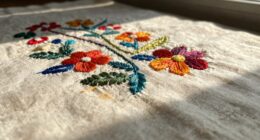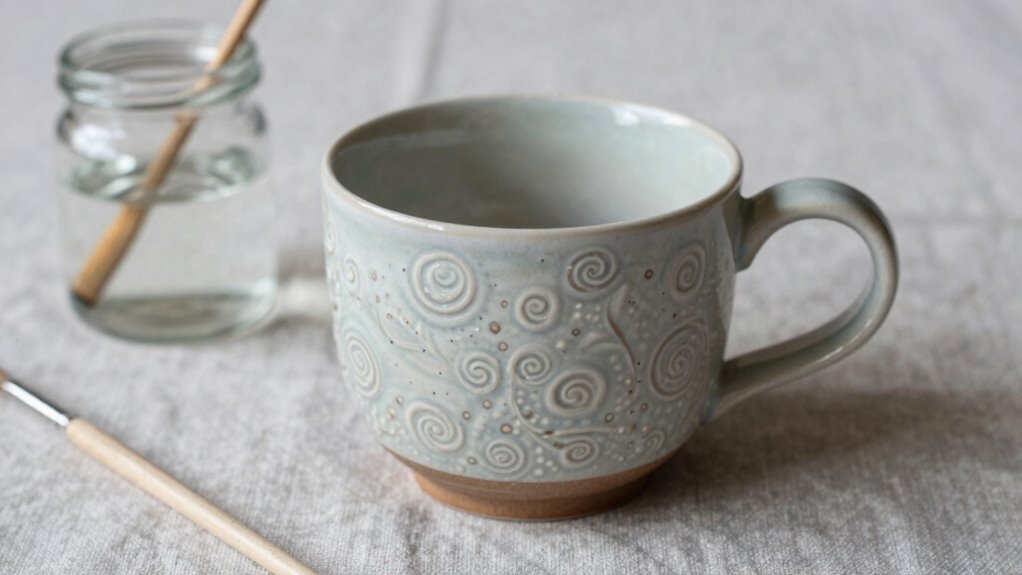
Performing a one-wash test on your handmade gift is a smart step to guarantee it can handle regular laundering without damage. Start by spot testing a small, hidden area with water and gentle detergent, observing how the fabric reacts. Check care labels for specific instructions, especially for delicate fabrics like silk or wool. If your item passes this test, you can launder it confidently. Keep going to discover how proper testing can protect your craftsmanship long-term.
Key Takeaways
- The one-wash test verifies if the handmade item can withstand regular laundering without damage.
- Performing the test on a small, hidden area prevents visible damage to the gift.
- It helps identify appropriate cleaning methods, such as gentle hand washing or dry cleaning.
- Checking care labels ensures the fabric is cared for properly, extending the gift’s lifespan.
- Conducting the test safeguards the craftsmanship, maintaining the gift’s quality over time.

When you gift handmade items, you want to make certain they’ll last, which is why the one-wash test is essential. This simple step can save you from future disappointment and guarantee your gift remains in great condition. The importance of a care label can’t be overstated because it guides how the item should be cleaned and maintained. Handmade gifts often involve delicate fabrics or unique materials, making it vital to understand their fabric durability. If you ignore these factors, you risk shrinking, fading, or damaging the item after just one wash, which defeats the purpose of giving something special.
Performing the one-wash test involves carefully following the care instructions or, if none are available, testing a small, inconspicuous area first. You want to observe how the fabric reacts to water, detergent, and agitation. This process helps you determine if the item can withstand regular laundering without losing shape, color, or integrity. For fabrics with low durability, a gentle hand wash or even dry cleaning might be preferable. Conversely, if the material stands up well to the test, you can confidently recommend it for everyday use or even machine washing, depending on the care label’s guidance.
Test fabric durability by carefully following care labels or spot testing to ensure longevity and quality.
Pay attention to the care label importance because it provides essential clues about the fabric’s resilience. Labels often specify whether an item can be washed in hot or cold water, if it should be tumble-dried, or if it’s best to air-dry. Ignoring these instructions can compromise the fabric durability, leading to unnecessary wear and tear. For example, natural fibers like wool or silk may require delicate handling, while sturdy cotton or linen can usually endure more rigorous cleaning. By understanding these details, you guarantee your handmade gift remains beautiful and functional over time.
This testing process isn’t just about protecting the gift; it’s also about respecting the craft and effort behind it. Knowing the fabric durability helps you set realistic expectations for the recipient and promotes proper care, extending the life of your thoughtful present. It’s a small step that makes a big difference, especially when you’ve invested time and skill into creating something unique. In the end, the one-wash test isn’t just about maintenance—it’s about honoring the quality and craftsmanship of handmade gifts, so they continue to bring joy long after the initial unveiling.
Frequently Asked Questions
How Often Should I Perform the One-Wash Test?
You should perform the one-wash test anytime you’re unsure about fabric dyeing or suspect potential color bleeding. It’s best to do it before giving your handmade gift, especially if you’ve used vibrant or dark dyes. Test after the first wash, then periodically if you notice changes over time. This simple step helps prevent surprises, keeps your project looking great, and guarantees the colors stay vivid and intact.
Can the Test Damage Delicate Handmade Items?
You might worry that the test could damage delicate handmade items, but if done carefully, it generally won’t harm fabric durability or dye stability. Use a small, inconspicuous area first and gentle washing methods. This helps guarantee your item’s integrity remains intact while revealing how well it withstands washing. Taking these precautions protects your handmade gifts from potential damage, making the test both safe and effective.
What Temperature Is Safest for Washing Handmade Gifts?
You should wash handmade gifts at a gentle, cold temperature to guarantee fabric care and prevent damage. Use washing techniques like hand washing or selecting a delicate cycle on your machine. Cold water helps preserve colors, fibers, and intricate details. Always check the care label or test a small area first. This method minimizes risk and keeps your handmade treasures looking beautiful and intact for years to come.
Does the Test Apply to All Types of Fabrics?
You might worry the test doesn’t suit all fabrics, but it generally applies to most. While fabric durability and dye fastness vary, the test helps you recognize if a piece can withstand washing without damage. For delicate or special fabrics, do a patch test first. This way, you protect your handmade gifts and ensure they stay beautiful after washing, no matter the material.
How Do I Interpret the Results of the Test?
You interpret the test results by checking if the fabric maintains its color and integrity after washing. If the dye bleeding is minimal and the fabric remains durable, it’s a good sign of fabric durability. However, if you notice significant dye bleeding or the fabric weakens, it indicates the gift may not withstand regular use. Use these insights to decide whether the fabric is suitable for your handmade project.
Conclusion
So, next time you’re crafting a handmade gift, remember the one-wash test. It’s your secret weapon to prevent disasters and keep your creations looking stunning through countless washes. Just one simple test can save you from a potential chaos of ruined fabric or colors bleeding everywhere. Think of it as your magic shield—protecting your work from becoming a total catastrophe. Trust me, a quick test now saves a mountain of heartbreak later!