To match expensive craft equipment to your projects, evaluate your main pursuits and choose tools that support those activities directly. Avoid investing in high-end machinery for infrequent or unrelated tasks to prevent overspending. Focus on upgrades that genuinely enhance your craft quality and workflow efficiency. Proper maintenance and strategic upgrades help maximize your investment, ensuring your equipment aligns with your goals. Stay informed about new tools and techniques to keep your projects top quality—there’s more to discover ahead.

Get business pricing on tools and workshop supplies
- Business-only prices and quantity discounts
- Tax-exempt purchasing
- Multiple users, one account, clear invoices
Key Takeaways
- Assess your main project pursuits to identify essential equipment that directly enhances your craft quality.
- Prioritize equipment upgrades for frequently undertaken projects rather than investing in rarely used tools.
- Match tool features to specific project requirements, avoiding unnecessary functionalities that inflate costs.
- Maintain a clear budget aligned with your project scope to prevent overspending on high-end machinery.
- Regularly review and adjust your equipment choices based on evolving project needs and skill level.
Ever wonder how to make your expensive craft equipment work seamlessly together? The key lies in understanding how to match your tools to the projects you actually make, which involves smart pricing strategies and diligent equipment maintenance. When you invest in high-quality gear, it’s tempting to push the limits of what each piece can do, but without a clear plan, your investments can become underutilized or even costly in the long run. That’s why aligning your equipment with your typical projects is essential; it helps you avoid overspending and ensures you get maximum value from your tools.
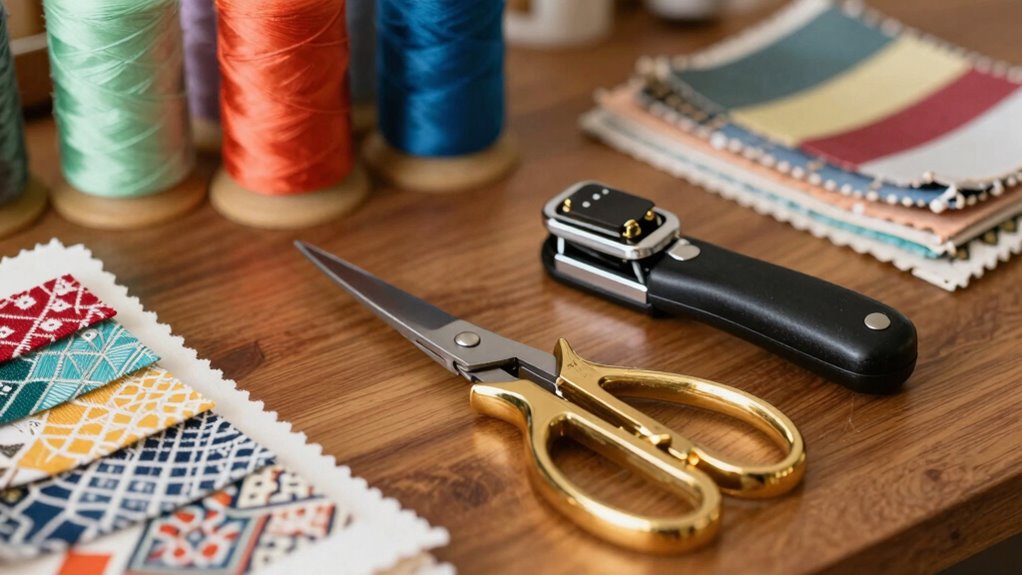
Start by evaluating the types of projects you most often undertake. Are you into intricate embroidery, large-scale woodworking, or delicate jewelry making? Once you’ve identified your main pursuits, choose equipment that directly supports those activities. For example, if you mainly craft small, detailed items, a precision sewing machine or a fine-tip laser cutter will serve you better than equipment designed for bulk production. This way, you’re not tempted to splurge on high-end machinery that you rarely use, which ties into your overall pricing strategies. By focusing your purchases on what truly matters for your projects, you avoid unnecessary expenses and make smarter investments that align with your craft goals.
Equally important is equipment maintenance. No matter how expensive your tools are, neglecting regular upkeep can lead to poor performance or costly repairs. Set aside time for routine cleaning, calibration, and inspections. Well-maintained tools operate more efficiently, produce better results, and last longer, which ultimately saves you money. Proper maintenance also helps you identify issues early, preventing small problems from escalating into major repairs that could derail your projects and inflate costs. When you keep your equipment in top shape, it supports your craft rather than becoming a drain on resources. Additionally, understanding CAD and 3D printing technologies can help you design and produce projects more precisely, maximizing your investment in advanced equipment. Incorporating efficient workflows into your process can further enhance your productivity and ensure your tools are used to their fullest potential. Exploring new maintenance techniques regularly can also prolong the lifespan of your gear and ensure optimal performance over time. Furthermore, staying informed about advancements in craft-specific tools can help you adapt and upgrade strategically, avoiding unnecessary purchases and focusing on what truly enhances your work. Plus, developing a routine for equipment calibration can significantly boost the accuracy and quality of your projects, making your investments even more worthwhile.
Balancing your equipment choices with your actual project needs and maintaining them properly ensures your craft setup remains efficient and cost-effective. It’s about being strategic—investing in the right tools for the projects you love, rather than chasing the latest or most expensive gear for its own sake. When you do this, you not only stretch your budget further but also create a workflow that’s smooth and enjoyable. Ultimately, matching your equipment to your craft and keeping those tools in prime condition allows you to focus on what really matters: making beautiful, meaningful projects that reflect your skills and passion.
precision sewing machine for detailed projects
As an affiliate, we earn on qualifying purchases.
As an affiliate, we earn on qualifying purchases.
Frequently Asked Questions
How Do I Determine Which Equipment Is Essential for My Projects?
You determine essential equipment by focusing on your project planning first. List the tools and materials needed for your specific projects, then prioritize equipment that directly impacts quality and efficiency. Consider versatility—choose tools that can serve multiple purposes. Research each item’s functionality and reviews to make certain it suits your skill level and goals. This strategic equipment selection helps you avoid unnecessary expenses and makes sure you’re well-equipped for your craft projects.
Can I Upgrade My Tools as I Improve My Skills?
Yes, you can definitely upgrade your tools as you improve your skills. Focus on maintaining crafting safety by investing in quality tools that fit your current needs, and organize them properly in tool storage to keep everything accessible. As your projects become more complex, gradually replace or add equipment to enhance precision and efficiency. This approach guarantees safe, enjoyable crafting while continuously elevating your craftsmanship.
What Are Cost-Effective Alternatives to Expensive Craft Tools?
You can explore budget options and DIY alternatives to pricey craft tools. Look for generic or off-brand versions that offer similar functionality at a lower cost. Repurpose household items or create homemade tools for specific tasks. Joining online craft communities can provide tips on effective DIY solutions. These approaches help you save money while still achieving quality results, making your projects more affordable without sacrificing creativity or skill.
How Do I Maintain My High-End Craft Equipment?
Keep your high-end craft equipment in top shape by regularly performing tool maintenance, like cleaning and lubricating moving parts. Store your tools properly with smart storage solutions to prevent damage and dust buildup. Think of it as giving your tools a spa day—routine care extends their lifespan. Always follow manufacturer guidelines for maintenance, and store everything in a dry, organized space to keep your equipment ready for your next masterpiece.
Are There Specific Brands Recommended for Quality and Durability?
You should look into luxury brand recommendations like Bernina, Janome, or Juki for sewing machines, as they’re known for quality and durability testing. For other equipment, brands like Fiskars or Olfa offer reliable cutting tools. Always check reviews and warranty details to guarantee durability. Investing in trusted brands helps your tools last longer, making your projects smoother and more enjoyable without constantly replacing equipment.
As an affiliate, we earn on qualifying purchases.
Conclusion
Remember, the right equipment is your trusted partner on this creative journey. Don’t let the allure of expensive tools distract you from your true craft. Instead, match your gear to your projects like a tailor fits a suit—precise and purposeful. After all, it’s not the size of your budget that determines your success, but the passion you pour into each stitch and stroke. So, choose wisely, craft boldly, and let your projects speak louder than the price tag.
As an affiliate, we earn on qualifying purchases.
3D printer for small-scale projects
As an affiliate, we earn on qualifying purchases.
As an affiliate, we earn on qualifying purchases.
Columbus Day / Indigenous Peoples' Day Picks
long weekend sales
As an affiliate, we earn on qualifying purchases.