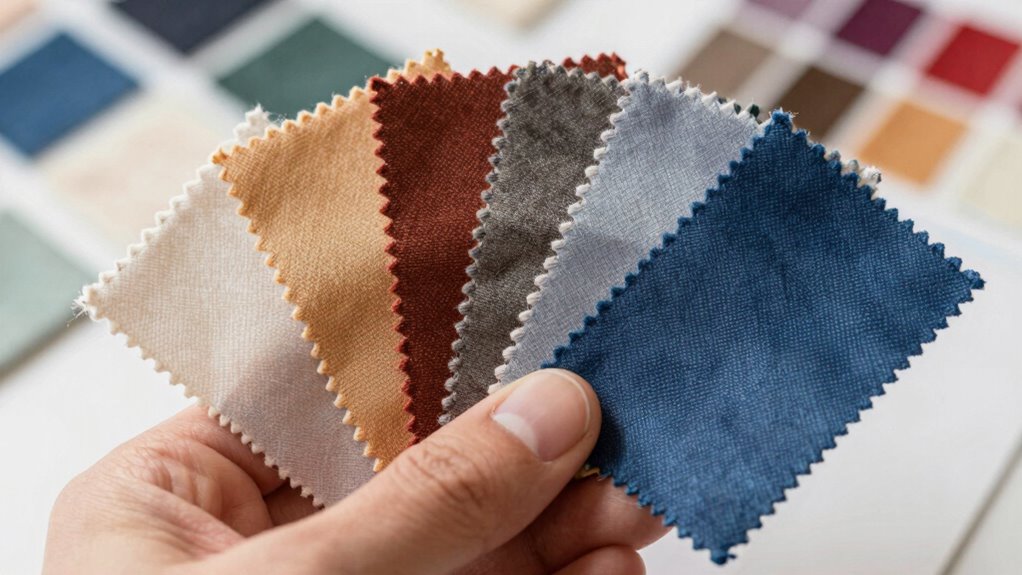

Test swatches are powerful tools that help you preview colors, textures, and materials early in your design process. They allow you to make adjustments before committing to large runs, saving time, money, and reducing errors. By creating precise samples, you can guarantee color accuracy, evaluate durability, and streamline approvals. If you want to discover how to maximize their benefits and avoid common mistakes, keep exploring—I’ll show you how these simple tools can transform your workflow.
Key Takeaways
- Test swatches enable early evaluation of colors, textures, and materials, reducing the risk of costly mistakes later.
- Creating small, well-organized samples streamlines material selection and speeds up design review processes.
- They help ensure accurate color matching and consistency, minimizing errors and rework.
- Swatches allow designers to test durability, texture, and functional properties before full production.
- Integrating swatches into workflows improves confidence, saves time, and aligns final products with original design intent.
color test swatches for fabric
As an affiliate, we earn on qualifying purchases.
As an affiliate, we earn on qualifying purchases.
Understanding the Role of Test Swatches in Design

Test swatches play an essential role in the design process by allowing you to evaluate how colors, textures, and materials work together before committing to a final choice. They give you a tangible way to see how fabric dyeing affects the appearance of textiles and how textile printing adds patterns or designs. By creating small samples, you can test different dyeing techniques to achieve the desired color intensity and consistency. Similarly, textile printing lets you preview how patterns will look on actual fabric, helping you avoid costly mistakes later. These swatches serve as a preview, enabling you to fine-tune details early. This process saves time, reduces waste, and guarantees your final product aligns perfectly with your vision. Additionally, understanding color psychology can help you select hues that evoke the desired emotional response, ensuring your design resonates with your audience. Incorporating knowledge of industry trends can also guide your choices toward contemporary and appealing aesthetics, making your final product more competitive in the market. Being aware of material durability can help you choose fabrics that will stand the test of time, enhancing customer satisfaction and reducing returns. Moreover, utilizing innovative testing methods allows for more precise adjustments, and exploring material properties can provide deeper insights into fabric behavior, streamlining the development process further.
material sample swatches
As an affiliate, we earn on qualifying purchases.
As an affiliate, we earn on qualifying purchases.
Selecting the Right Materials for Effective Swatches

Choosing the right materials is key to creating effective swatches that reflect your project accurately. Pay attention to texture and feel, ensuring they match the intended finish, and check color compatibility to avoid surprises later. Don’t forget to test durability so your swatches hold up under real-world conditions. Considering the Gold IRA markets can also help you select suitable materials that align with your investment goals and ensure long-term satisfaction. Additionally, evaluating the physical properties of materials ensures they meet the functional requirements of your project. Understanding the performance characteristics of materials can further guide your selection process for optimal results. Being aware of material safety is essential to ensure your choices are safe and compliant with industry standards. Reviewing noise levels in ceiling fans can also inform your decision when selecting options for quiet operation in sensitive environments.
Material Texture & Feel
Have you ever noticed how the texture and feel of a material can instantly influence your perception of a swatch? The fabric feel and surface texture are essential for selecting the right materials. A smooth, soft fabric might look appealing but can feel different once touched, affecting your decision. To evaluate this, compare different options side by side:
| Material A | Material B | Material C |
|---|---|---|
| Silky feel | Coarse feel | Plush feel |
| Matte surface | Glossy surface | Textured surface |
| Lightweight | Heavyweight | Medium weight |
In addition, understanding the material composition can help determine the durability and suitability for your needs. Recognizing the significance of material characteristics can further enhance your selection process, ensuring the swatches meet your specific requirements. Also, considering the surface texture plays a crucial role in how a material feels and performs in real-world applications. Incorporating knowledge of haute couture standards can guide you toward more refined material choices that meet high craftsmanship expectations. Moreover, paying attention to material durability can ensure long-lasting results in your projects.
Color Compatibility Checks
Ensuring that the colors of your swatches complement each other is essential for creating a cohesive and visually appealing selection. When checking color compatibility, consider how digital color displays may differ from physical materials, so always compare swatches under natural light. Material transparency plays a key role; transparent or semi-transparent materials can alter how colors appear, affecting your overall assessment. Use digital color tools to preview combinations, but verify with actual swatches to account for material differences. Pay attention to how light interacts with each material, especially when transparency is involved, as it can change perceived hue and tone. Additionally, understanding color perception can improve clarity and engagement in your writing. Recognizing how light interaction with materials influences color appearance can help you make more accurate selections. Being aware of how digital color accuracy can vary from real-world results ensures you select the most harmonious swatch combinations for your project. By carefully evaluating digital color matches and considering material transparency, you’ll select the most harmonious swatch combinations for your project. Incorporating material texture into your assessment can also impact how colors are perceived, leading to a more comprehensive evaluation process.
Durability & Testing
To create effective swatches, selecting materials that can withstand testing conditions is essential. You want durability that reflects real-world use, ensuring your samples won’t tear or fade prematurely. Incorporate eco-friendly practices by choosing sustainable fabrics and dyes, reducing environmental impact. Innovative material testing helps identify how materials perform under stress, moisture, or wear. Use this data to select resilient options. Consider the following factors:
| Material Type | Testing Focus |
|---|---|
| Organic Cotton | Colorfastness, tear strength |
| Recycled Polyester | UV resistance, durability |
| Hemp | Abrasion resistance |
| Lyocell | Moisture management |
| Tencel | Washability, eco impact |
Choosing the right materials ensures your swatches are reliable, eco-conscious, and prepared for rigorous testing. Sustainable fabrics can help you meet environmentally friendly standards while maintaining quality. Additionally, understanding material performance under different conditions ensures your swatches accurately simulate real-world use. Incorporating testing standards into your process guarantees consistency and reliability in your results.
textile color matching swatches
As an affiliate, we earn on qualifying purchases.
As an affiliate, we earn on qualifying purchases.
Techniques for Creating Precise and Reliable Samples
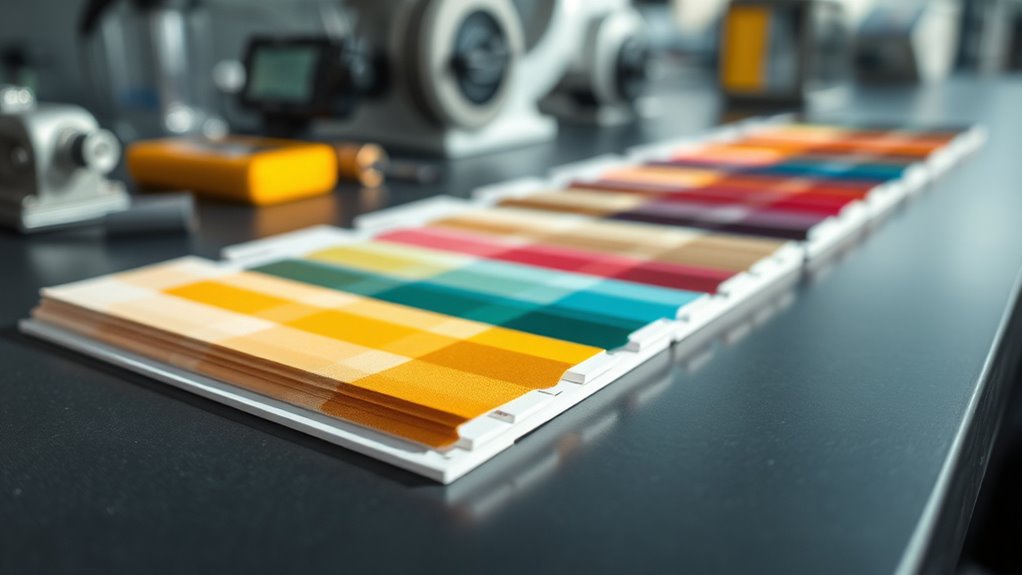
Creating precise and reliable test swatches requires careful attention to technique, as small variations can substantially impact results. Start with proper material sourcing by selecting consistent, high-quality fabrics or paints to guarantee uniformity. Use color theory principles to understand how colors interact and appear under different lighting conditions, helping you choose accurate shades. When preparing samples, measure and cut materials precisely to prevent distortions or inconsistencies. Keep your workspace clean to avoid contamination or smudges. Document each step carefully, noting batch numbers and application methods, so you can reproduce results accurately. Consistency in technique and adherence to color theory fundamentals will give you reliable samples that truly reflect the final outcome, saving you time and minimizing costly rework. Paying attention to quality control measures throughout the process further ensures your samples are dependable.
fabric texture sample cards
As an affiliate, we earn on qualifying purchases.
As an affiliate, we earn on qualifying purchases.
How Test Swatches Improve Color Matching Accuracy
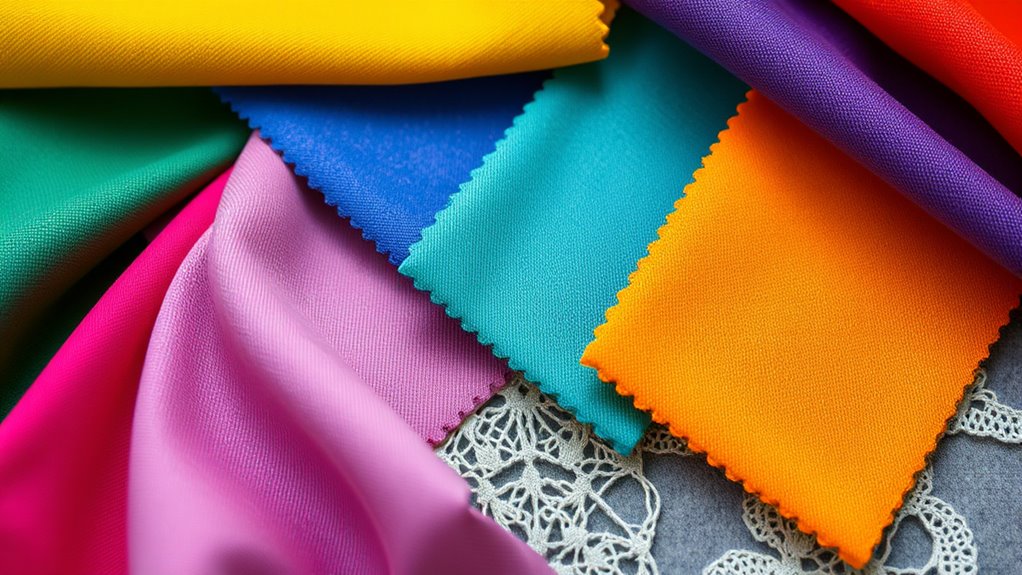
Test swatches let you compare colors precisely, ensuring you see the true shade without guesswork. They help minimize color errors that can happen with inconsistent lighting or viewing conditions. By using test swatches, you consistently select accurate shades, improving overall color matching accuracy.
Precise Color Comparisons
Precise color comparisons are essential for achieving accurate matches, and test swatches make this process considerably more reliable. They enable you to evaluate color differences directly, reducing errors caused by digital visualization or ambient lighting. This improves consistency across projects and minimizes environmental impact by avoiding unnecessary rework. Test swatches allow you to compare shades side-by-side under natural conditions, ensuring true color perception. They also help detect subtle variations that might be missed on screens or in photographs. By providing a tangible reference, swatches support precise adjustments and better decision-making. This accuracy saves time and resources, ensuring your final product meets expectations without multiple revisions. Ultimately, test swatches enhance your ability to make confident, accurate color comparisons every time.
Minimize Color Errors
Using test swatches considerably reduces color errors by providing a reliable, physical reference for comparison. When you have a tangible swatch, your color perception becomes more accurate, minimizing assumptions and subjective judgment. This helps you detect subtle differences in hue, saturation, and tone that might otherwise go unnoticed on digital screens or in complex lighting. Test swatches also ensure pigment consistency, so the colors you see on the sample match the final product. This prevents mismatched shades caused by variations in dye lots or material batches. By aligning your perception with a physical reference, you catch inconsistencies early, reducing costly mistakes and rework. Ultimately, test swatches sharpen your color matching accuracy, saving you time and ensuring your finished work meets your exact expectations.
Consistent Shade Selection
When you rely on test swatches, consistent shade selection becomes much easier to achieve. They help you compare colors side by side, ensuring shade consistency across projects. This reduces the risk of mismatched hues and maintains color harmony throughout your work. Using test swatches lets you verify how colors look under different lighting conditions, improving accuracy. They also serve as a reference point for future color choices, saving time and avoiding guesswork. With test swatches, you can fine-tune shades before committing, ensuring each color aligns perfectly with your vision.
- Visual comparison of shades
- Minimized color mismatches
- Better understanding of light effects
- Easier color adjustments
- Enhanced overall color harmony
Streamlining Your Workflow With Strategic Swatch Use
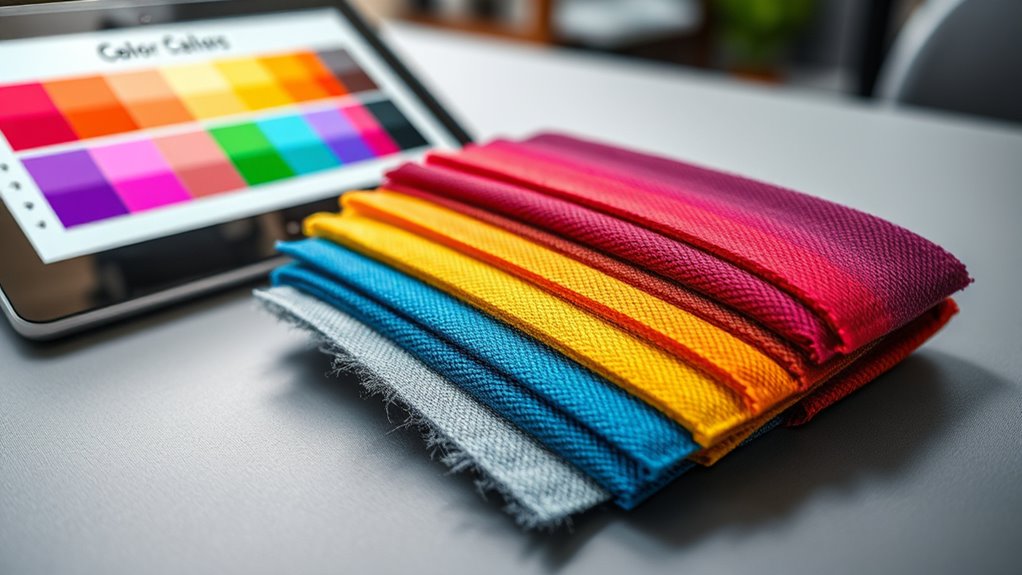
To streamline your workflow with strategic swatch use, start by organizing your color palette thoughtfully. Group similar shades and create dedicated sections for different material selections, which saves you time searching and reduces mistakes. This organization enhances workflow efficiency, allowing you to quickly compare options without unnecessary backtracking. Use test swatches to preview how colors interact with specific materials, helping you make informed decisions early in the process. Incorporate a consistent labeling system for your swatches to easily identify material types and color codes. When your palette is structured, you’ll spend less time on revisions and more on actual creation. Strategic swatch placement and thoughtful organization turn your test samples into powerful tools for faster, more confident material selection.
Common Mistakes to Avoid When Using Test Swatches

One common mistake is neglecting to test colors on actual materials before finalizing your choices. This can lead to surprises that disrupt your branding consistency or misalign with desired color psychology effects. Always view swatches in the environment they’ll be used in, as lighting and textures impact how colors appear. Ignoring this step risks mismatched tones that weaken your branding efforts.
- Skipping real-world testing instead of relying on digital previews
- Overlooking how lighting affects color perception
- Forgetting to contemplate how colors influence emotional responses (color psychology)
- Using inconsistent swatch shades across different projects
- Ignoring how materials alter color vibrancy and tone
Incorporating Swatches Into Your Design Review Process

Integrating swatches into your design review process guarantees color accuracy and consistency before finalizing any project. Use swatches to facilitate material sourcing decisions and streamline client communication. Presenting physical samples helps clients visualize the final product and prevents costly misunderstandings. Incorporate a review checklist to track key details:
| Step | Action | Purpose |
|---|---|---|
| Select Swatches | Choose representative samples | Ensure accurate material sourcing |
| Present to Client | Show physical swatches | Confirm color and texture preferences |
| Gather Feedback | Note client responses | Address concerns early |
| Adjust Designs | Revise based on input | Improve final outcome |
| Finalize Choices | Confirm selections | Streamline production process |
Using swatches this way minimizes revisions, saves time, and guarantees your client is aligned every step of the way.
Tips for Maintaining and Organizing Your Swatch Collection
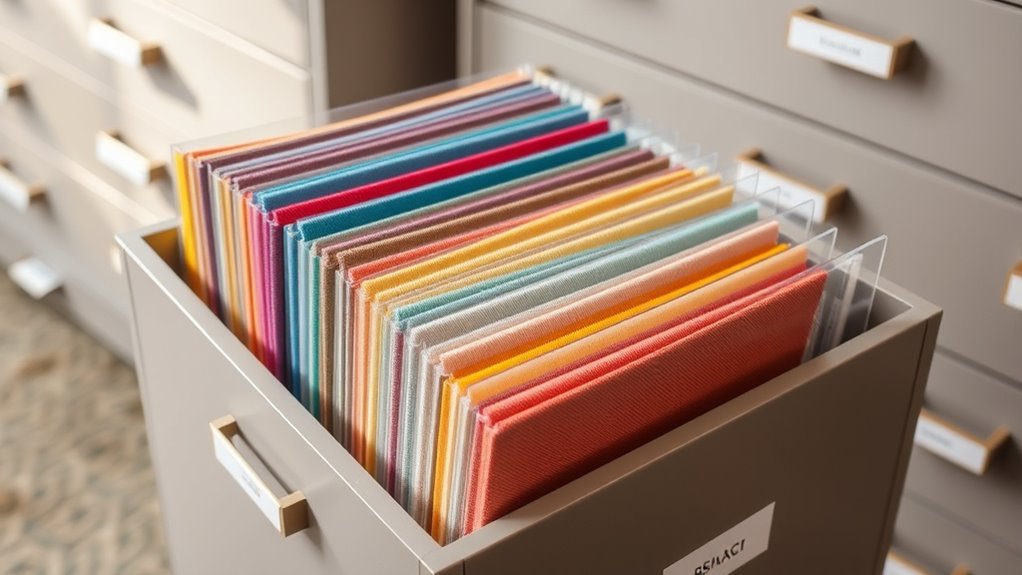
Keeping your swatch collection organized and well-maintained is essential for efficient workflow and accurate color matching. Proper storage organization prevents damage and makes it easy to find the right swatch quickly. Establishing regular maintenance routines ensures your swatches stay clean, vibrant, and in good condition. Use labeled storage containers or folders to categorize swatches by color, material, or project type. Keep a dedicated space to avoid clutter and loss. Clean your swatches periodically with a soft cloth to remove dust and fingerprints. Rotate stock so older swatches are used first and replace damaged ones promptly. Consistent routines streamline your process and extend the lifespan of your collection.
- Use labeled storage bins or folders
- Categorize by color, material, or project
- Clean swatches regularly with a soft cloth
- Rotate stock to prevent fading
- Replace damaged swatches immediately
Frequently Asked Questions
How Do Test Swatches Influence Client Presentations and Approvals?
Test swatches greatly influence client presentations and approvals by ensuring color consistency, helping clients see exactly what to expect. You can confidently communicate color options, reducing misunderstandings and revisions. When clients view test swatches, they feel more involved and reassured, which speeds up approvals. Overall, test swatches strengthen client communication, build trust, and make the decision-making process smoother, saving you valuable time and effort.
What Are the Best Storage Solutions for Long-Term Swatch Preservation?
Imagine your swatches as tiny time capsules, holding the essence of your creative journey. To safeguard them long-term, invest in archival-quality storage solutions like acid-free folders and airtight boxes. Prioritize material organization by labeling and categorizing each swatch meticulously. Employ preservation techniques such as avoiding direct sunlight, controlling humidity, and maintaining a stable temperature. These steps ensure your precious samples stay vibrant and intact for years to come.
Can Test Swatches Be Reused Across Different Projects?
Yes, you can reuse test swatches across different projects if they maintain material consistency and accurate color matching. Make certain the swatches haven’t been altered or damaged, and store them properly to prevent fading or contamination. Reusing swatches saves time and helps compare colors efficiently, but double-check that they still reflect the original material and color standards for reliable results in each new project.
How Do Environmental Factors Affect Swatch Longevity and Accuracy?
Environmental factors profoundly impact your test swatches’ longevity and accuracy. For instance, high humidity can cause color fading or mold growth, reducing reliability, while UV degradation accelerates material deterioration, compromising test results. Studies show that UV exposure can degrade swatches in just a few weeks. To maintain accuracy, store swatches in controlled environments, shield them from direct sunlight, and monitor humidity levels regularly.
What Digital Tools Complement Physical Test Swatches Effectively?
You can enhance color matching by using digital integration tools like color management software and apps that sync with physical swatches. These tools allow you to compare and adjust colors accurately, saving you time and reducing errors. Digital integration streamlines the process, providing precise color data and real-time adjustments. Combining physical test swatches with digital tools guarantees consistent, accurate results, making your workflow more efficient and reliable.
Conclusion
By mastering test swatches, you save time and avoid costly mistakes. Imagine a designer who quickly catches color mismatches before printing, saving days of rework. With strategic swatch use, you’ll gain confidence in your choices and streamline your process. Embrace this secret power—it’s the key to delivering flawless designs efficiently. Start organizing your collection today, and watch your projects become smoother, faster, and more successful.