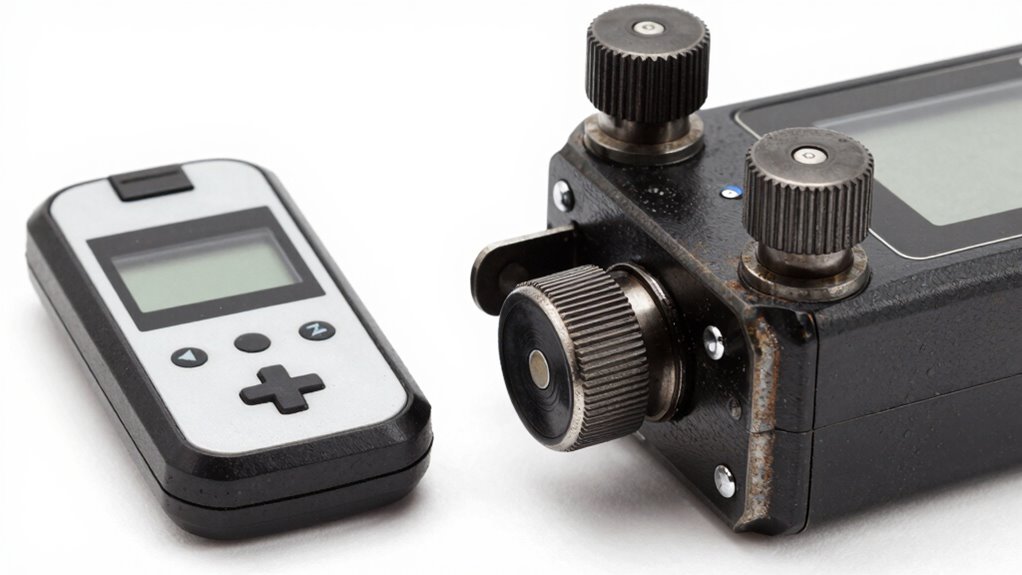

To tell if a product is built for hobby or serious use, look at the brand’s reputation and product reviews. Serious tools come from reputable brands known for durability, with higher-quality materials and advanced features. Hobby products tend to be simpler, lighter, and more affordable. Check the specifications like motors and reinforced parts. If you want to understand more about what to look for, explore the key factors that differentiate them.

Get business pricing on tools and workshop supplies
- Business-only prices and quantity discounts
- Tax-exempt purchasing
- Multiple users, one account, clear invoices
Key Takeaways
- Check the brand’s reputation for professional-grade or demanding applications.
- Review user feedback for durability and performance under heavy workloads.
- Examine product specifications for advanced features and high-quality materials.
- Confirm compliance with industry standards indicating durability and professional use.
- Consider the price relative to brand reputation and features to assess overall value.
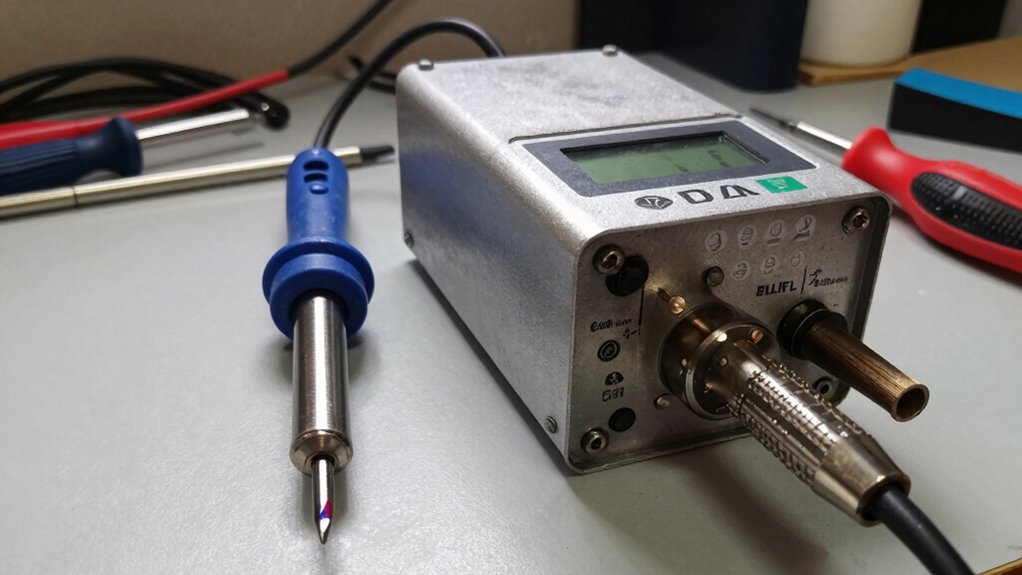
When choosing a product, understanding whether it’s designed for hobbyists or serious users can save you time and money. One of the most reliable ways to gauge this is by examining the brand reputation. Reputable brands often maintain high standards for durability, performance, and customer service, which tend to cater more to serious users. If a brand has a history of producing professional-grade equipment or tools, it’s likely their products are built for heavier, more demanding use. Conversely, lesser-known or budget brands might target hobbyists with simpler, more affordable options that don’t endure the same level of stress or frequent use.
Reputable brands and detailed reviews help identify tools for serious use versus casual hobbyist needs.
User reviews are another invaluable resource when making this distinction. Carefully read reviews from people who’ve actually used the product in real-world scenarios. For serious use, look for feedback that highlights performance under continuous or heavy workloads, mentions of longevity, and comments on how well the product holds up over time. Hobbyists tend to leave reviews that focus on ease of use, affordability, and whether the product meets basic needs rather than high-performance benchmarks. If multiple reviews mention the product breaking down quickly or not withstanding demanding tasks, that’s a clear sign it’s geared more toward casual or hobby use.
Pay attention to the product specifications and features as well. Serious-use products often come with more advanced features, higher-quality materials, and stronger construction. They might include heavier-duty motors, reinforced parts, or professional-grade components that justify a higher price. Hobby models, in contrast, are generally simpler, lighter, and designed for ease of use rather than maximum durability. They typically lack features that are essential for professional tasks, such as precise control, heavy-duty motors, or robust construction. Additionally, material quality can be a key indicator of a product’s intended use, as more durable materials are often necessary for serious applications. Understanding the intended user base can help you identify which features are essential for your needs. Recognizing industry standards can also provide insight into the level of professionalism a product is designed to meet. Moreover, considering the product lifespan can help distinguish whether a product is meant for long-term, demanding work or occasional hobbyist use.
Price point can also be an indicator, but it’s not the only one. While high prices often correlate with professional-grade products, some brands may charge a premium without delivering true durability or performance. Cross-reference the price with brand reputation and user reviews to get a better sense of whether the product is meant for serious work or casual hobby use. Remember, a product that’s too inexpensive might cut corners, while a high price from a well-respected brand usually signals quality designed for demanding tasks.
Ultimately, understanding the brand reputation and how it aligns with the product’s intended use can help you make a more informed decision. Combining insights from brand reputation, detailed user reviews, and technical specifications will help you determine whether a product is built for hobby use or serious work. Don’t rush your decision—doing your homework ensures you get a tool that matches your needs, saving you money and frustration in the long run.
As an affiliate, we earn on qualifying purchases.
Frequently Asked Questions
Can a Hobby-Level Product Be Upgraded for Professional Use?
Yes, you can upgrade a hobby-level product for professional use by focusing on accessory compatibility and brand reputation. Make sure the accessories you add are compatible with the original device and enhance its performance. Also, choose reputable brands known for durability and quality. These upgrades can boost the product’s capabilities, making it suitable for serious work. However, assess whether the core product’s design supports such enhancements before investing.
What Certifications Distinguish Serious-Use Equipment From Hobby Gear?
Serious-use equipment typically bears industry certifications like UL, CE, or ISO, ensuring safety and quality standards. You’ll also notice a strong brand reputation and an active user community that supports professional applications. These indicators show the gear is designed for demanding environments. Hobby gear may lack these certifications and community backing, so if you want reliability and safety in critical tasks, look for equipment with recognized certifications and a reputable brand.
How Long Is the Typical Lifespan of Hobby Versus Professional Products?
Think of your gear as a marathon runner versus a sprinter. Hobby products often last a few seasons, while professional tools are built to go the distance, often lasting years or even decades. Consumer trends show that serious-use equipment is crafted with durability in mind, backed by strong brand reputations. If you want your investment to stand the test of time, opt for brands known for longevity and quality, rather than fleeting trends.
Are There Industry Standards That Define Professional-Grade Products?
Yes, industry standards help define professional-grade products, but they often vary by industry. You should check the brand reputation and user reviews to gauge quality and durability. Professional products typically meet higher standards for performance, reliability, and lifespan. If reviews consistently praise the product’s robustness and the brand is well-regarded, it’s likely built for serious use rather than just hobbyist purposes.
Do Professional Products Come With Better Warranties Than Hobby Items?
Yes, professional products generally come with better warranties than hobby items. You’ll notice that brands with strong reputations often offer longer, more extensive coverage, reflecting their confidence in durability. Plus, they tend to provide superior customer support, ensuring quick assistance if issues arise. This commitment to quality and service helps you trust that you’re investing in equipment designed for serious use, not just casual hobbyist needs.
As an affiliate, we earn on qualifying purchases.
Conclusion
In the end, knowing whether a product is meant for hobbyists or serious users can save you from a world of frustration. Look for key indicators like build quality, features, and price—these are your compass. Don’t settle for a toy when you need a powerhouse; otherwise, you might end up chasing shadows. Remember, choosing the right gear can make all the difference—turning your passion into a hobby or even a career, not just a fleeting phase.
reliable hobbyist soldering iron
As an affiliate, we earn on qualifying purchases.
As an affiliate, we earn on qualifying purchases.
As an affiliate, we earn on qualifying purchases.
Halloween Picks
halloween
As an affiliate, we earn on qualifying purchases.