Understanding craft terminology is essential to follow tutorials confidently and complete projects with professional touches. By learning key words and abbreviations, you’ll grasp embellishment techniques like beads or embroidery, recognize tools such as hot glue guns or fusible fleece, and better interpret instructions. This knowledge streamlines your craft process, improves communication with fellow crafters, and boosts your creativity. Keep exploring, and you’ll discover more tips to make your crafting journey even smoother and more enjoyable.
Key Takeaways
- Learn common abbreviations like AC (acrylic) and HW (hot glue gun) to understand tools quickly.
- Familiarize yourself with embellishment techniques such as beads, embroidery, and faux stitching to enhance projects.
- Recognize key craft terms to follow tutorials accurately and select appropriate materials.
- Mastering craft language boosts confidence, streamlines instructions, and enables better communication with fellow crafters.
- Understanding 40 essential words improves overall craft skills, creativity, and enjoyment of craft projects.

Ever wondered how crafters communicate so effortlessly about their projects? It’s because they’ve mastered a language filled with specific terms and shorthand that streamline every conversation and tutorial. When you immerse yourself in crafting communities or tutorials, you’ll quickly notice words like embellishment techniques and tool abbreviations popping up. These aren’t just jargon; they’re essential shortcuts that help crafters share ideas efficiently and understand instructions without confusion.
Let’s start with embellishment techniques. These are methods used to add decorative touches to your projects, transforming a simple piece into something eye-catching. Whether it’s using beads, embroidery, or layered paper, knowing these techniques allows you to follow tutorials more precisely. For example, when a tutorial mentions “faux stitching,” it’s referring to a decorative method that mimics actual sewing but is achieved with paint or ink. By understanding these techniques, you can select the right embellishments to enhance your craft and achieve professional-looking results. Recognizing different embellishment techniques also helps you plan your project ahead, knowing what materials and skills you’ll need.
Master embellishment techniques to elevate your craft projects with professional touches.
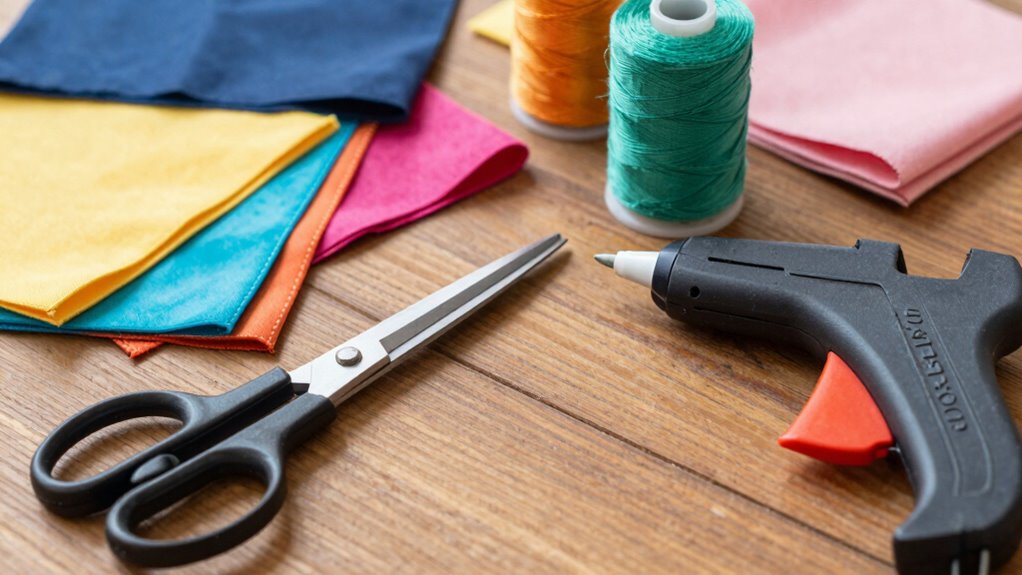
Tool abbreviations are another essential part of crafting language. You’ll encounter shorthand like “AC” for acrylic, “FF” for fusible fleece, or “HW” for hot glue gun. These abbreviations save space in instructions and make tutorials more concise. When you see “use a 3/8” flat brush (FB)” in a tutorial, you’ll know exactly what tool to grab without sifting through a list of full names. Learning these abbreviations takes some practice, but once you do, you’ll breeze through instructions and communicate more effectively with fellow crafters. Knowing these tool abbreviations also helps you understand reviews or product descriptions, ensuring you pick the right tools for your project.
Additionally, understanding these terms boosts your confidence when exploring new techniques or joining craft groups online. If someone says, “Try using a zigzag stitch for this embellishment,” you’ll know it’s a sewing technique that adds flexibility and decorative appeal. Similarly, recognizing tool abbreviations allows you to select the right equipment, avoiding confusion and saving time. It’s like learning a secret handshake that opens up a whole new world of crafting possibilities.
In essence, mastering craft terminology—especially embellishment techniques and tool abbreviations—makes your crafting journey smoother and more enjoyable. It helps you follow tutorials accurately, communicate with other crafters, and develop your skills faster. The more familiar you become with these words, the more confident you’ll feel trying new projects and sharing your progress. So, next time you pick up a craft book or watch a tutorial, pay attention to the language. It’s your key to opening the full potential of your creative projects.
Frequently Asked Questions
How Do I Choose the Right Craft Supplies for My Project?
To choose the right craft supplies, start by considering your project’s needs and your budget. Look for trusted craft supply brands known for quality and eco-friendly materials to guarantee your project is sustainable. Read reviews and product descriptions to find the best fit. Don’t hesitate to ask for recommendations at your local craft store or explore online communities for tips. This way, you’ll select supplies that match your creativity and values.
What Safety Precautions Should I Follow When Crafting?
When crafting, you should always wear protective gear like gloves and goggles to prevent injuries. Make sure your workspace is well-ventilated to avoid inhaling fumes from paints or adhesives. Keep a clean area to prevent accidents, and follow manufacturer instructions for all supplies. Always wash your hands afterward and store supplies safely out of reach of children. These precautions help guarantee your safety and make crafting enjoyable.
Are There Beginner-Friendly Techniques for Complex Crafts?
Yes, you can start with simple starter projects that focus on beginner-friendly techniques. These projects often involve basic tools and straightforward steps, making complex crafts more approachable. By practicing these techniques, you build your skills gradually. Don’t rush—take your time mastering each step. As you gain confidence, you’ll find it easier to tackle more intricate crafts, turning challenging projects into enjoyable learning experiences.
How Can I Modify Patterns for Different Skill Levels?
You can modify patterns for different skill levels by adjusting pattern instructions and making skill level modifications. Start by simplifying complex steps for beginners or adding details for advanced crafters. Use techniques like increasing or decreasing stitches, changing yarn weights, or modifying pattern repeats. These adjustments help tailor the project to your comfort and expertise, ensuring the craft remains enjoyable and appropriately challenging at any skill level.
Where Can I Find Additional Resources or Tutorials?
You can find additional resources or tutorials at your local craft supply stores, which often offer classes or printed guides. For online tutorials, websites like YouTube and craft-specific platforms provide step-by-step videos that suit all skill levels. Exploring these options helps you learn new techniques quickly and easily. Plus, you can connect with other crafters for tips and inspiration, making your crafting journey even more enjoyable.
Conclusion
By mastering just these 40 craft terms, you’ll boost your confidence and create more polished projects. Did you know that 70% of beginners say understanding key terminology made their crafting experience more enjoyable? It’s like having a secret code that opens endless creativity. So keep learning, stay curious, and soon you’ll be chatting about techniques as easily as you talk about your favorite hobbies. Happy crafting—your next masterpiece is just a word away!