To choose the right craft skill for you, start by understanding your personality traits, like whether you’re more social or introverted, detail-oriented or creative. Consider your interests, like art, nature, or heritage, and reflect on your practical tendencies and learning style. Whether you prefer solo projects, group activities, or quick, manageable tasks can guide your choice. Exploring these aspects will help you find a craft that feels truly aligned with who you are, so keep exploring to discover more.
Key Takeaways
- Assess your personality traits, such as empathy, leadership, or patience, to identify crafts that align with your natural tendencies.
- Match your artistic preferences and interests, like traditional or modern styles, to crafts that resonate with your creative identity.
- Consider practical and social factors, including your preferred work environment and social involvement, to choose suitable crafts.
- Focus on your attention to detail and precision skills to pursue crafts that enhance fine motor skills and craftsmanship.
- Identify your learning style and available time to select crafts that fit your preferred approach and commitment level.
beginner watercolor painting set
As an affiliate, we earn on qualifying purchases.
As an affiliate, we earn on qualifying purchases.
Identifying Your Core Personality Traits

Understanding your core personality traits is essential because they influence how you approach different craft skills. Your emotional intelligence shapes how you connect with materials, techniques, and even your own progress. If you’re highly empathetic, you may excel in crafts that require patience and understanding, like quilting or watercolor painting. Leadership qualities also play a role; if you’re confident and assertive, you might thrive in collaborative projects or teaching others. Recognizing these traits helps you choose a craft that aligns with your natural tendencies, making the learning process more enjoyable and sustainable. Being aware of your Free Floating tendencies can help you stay adaptable and open to exploring new skills that fit your evolving personality. Additionally, understanding sound vibrations and how they influence mood can guide you toward crafts that promote relaxation and mindfulness. Exploring sensory experiences related to different crafts can deepen your connection and enhance your overall well-being. Considering the impact of cybersecurity measures can also be beneficial if you’re interested in digital or tech-based crafts, ensuring your online projects are secure. Recognizing how dreams may reflect subconscious thoughts can also offer insights into your preferences and emotional states, guiding your skill selection. By understanding your personality, you can select skills that suit your strengths, ensuring a more fulfilling creative journey. This self-awareness is the foundation for making the right choice in your craft pursuits.
quilt making starter kit
As an affiliate, we earn on qualifying purchases.
As an affiliate, we earn on qualifying purchases.
Matching Craft Skills to Artistic and Creative Personalities
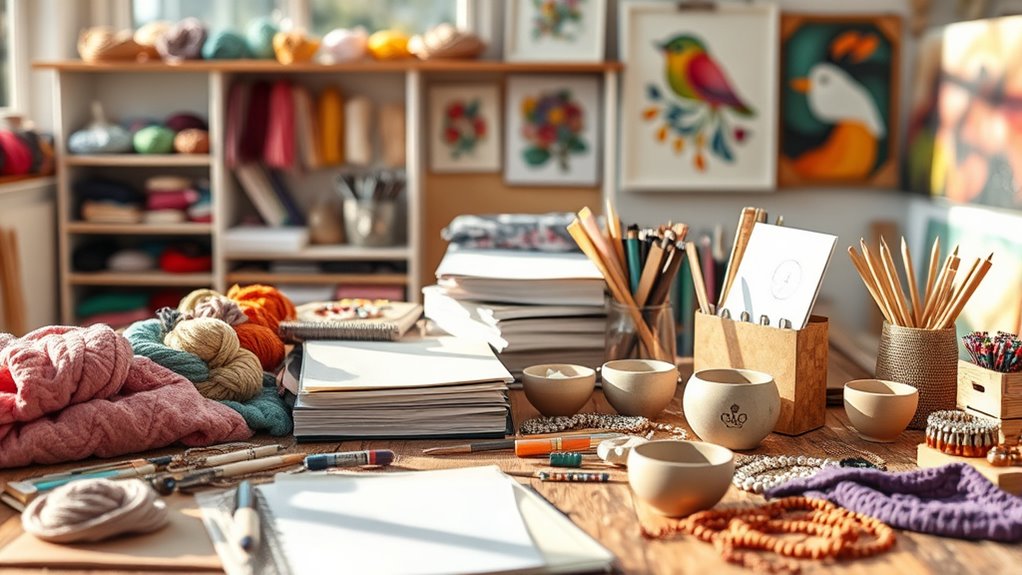
Matching your craft skills to your artistic and creative personality guarantees that your chosen activities feel natural and inspiring. If you thrive on self-expression, exploring artistic crafts like painting or sculpture can be fulfilling. For those interested in innovative approaches, understanding European cloud computing can inspire you to incorporate modern, tech-based elements into your projects. For those drawn to history and tradition, engaging in historical crafts such as embroidery or pottery connects you to the past. Craft therapy emphasizes hands-on creativity as a means of emotional healing, making it ideal if you seek mindfulness and self-discovery through your work. Recognizing your creative style helps you select crafts that resonate deeply, fostering motivation and enjoyment. Additionally, understanding safe electrical practices can help you incorporate tech-based or modern craft projects securely. Incorporating creative expression techniques allows you to explore different mediums and find your most authentic voice. Whether you prefer expressive arts or historical techniques, aligning your craft choices with your personality ensures a more meaningful, satisfying experience that nurtures your unique artistic voice. Exploring celestial influences can also inspire you to incorporate themes from astrology into your craft projects, adding a personal touch that reflects your personality and beliefs. Being aware of market trends in craft industries can help you identify popular styles and techniques that resonate with your interests.
ceramics pottery wheel
As an affiliate, we earn on qualifying purchases.
As an affiliate, we earn on qualifying purchases.
How Practical Thinkers Can Find Fitting Crafts
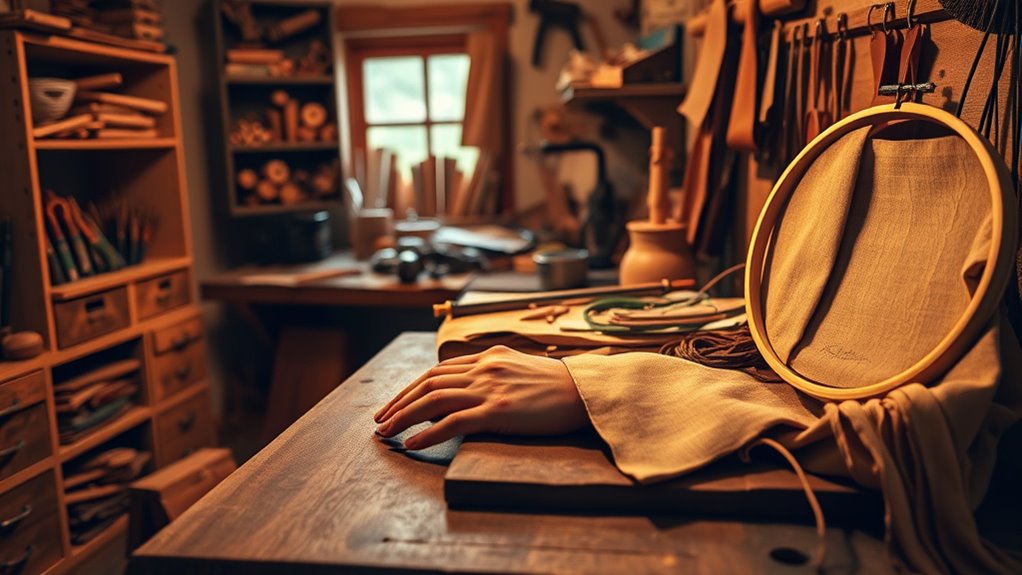
Practical thinkers often prefer crafts that offer tangible results and clear outcomes, making the process both rewarding and efficient. If you’re an introvert, look for crafts for introverts that allow solo work and quiet focus, like woodworking or pottery. These activities let you see progress step-by-step without social pressures. On the other hand, if you’re an extrovert, social crafts for extroverts might suit you better—think group quilting, collaborative gardening, or community-based projects. These options enable you to connect with others, share ideas, and enjoy the social aspect of crafting. Choose a craft that aligns with your social energy and your desire for practical results. This way, you’ll stay motivated and get real satisfaction from your efforts. Additionally, selecting a craft with a high contrast ratio can improve your visual experience and make detailed work easier and more enjoyable, especially considering the odor characteristics associated with various materials. Understanding the complexity of different crafts can help you pick one that matches your skill level and learning style, ensuring a more fulfilling experience. Exploring visual clarity in your chosen craft can further enhance your ability to focus and perform precise tasks more effectively. Moreover, considering the material properties can help you choose supplies that are comfortable and suitable for extended working sessions, increasing overall enjoyment.
embroidery kit for beginners
As an affiliate, we earn on qualifying purchases.
As an affiliate, we earn on qualifying purchases.
Exploring Crafts That Appeal to Detail-Oriented Individuals
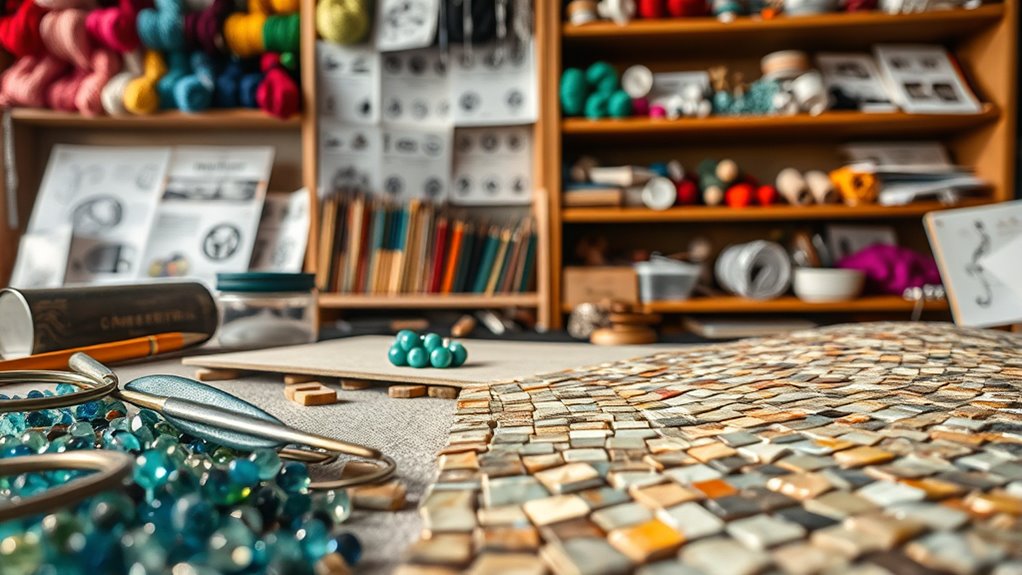
If you’re detail-oriented, you’ll find crafts that demand precision and accuracy rewarding. Focusing on intricate designs requires patience and strong concentration, making each step satisfying. These crafts let you channel your love for accuracy into creating beautiful, precise work. Developing craft skills not only enhances your ability to produce high-quality pieces but also deepens your understanding of materials and techniques. Engaging in such detailed work can also improve your fine motor skills, which are essential for many precision-oriented crafts. Additionally, mastering specialized techniques can further elevate the complexity and quality of your projects, while understanding safety considerations ensures that your craftsmanship remains both beautiful and secure. Emphasizing attention to detail can help you spot nuances and refine your work to perfection.
Precision and Accuracy
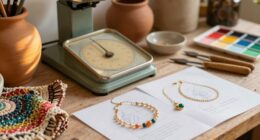
Have you ever noticed how some crafts demand unwavering attention to detail and steady hands? These activities rely heavily on precision and accuracy, making them ideal for those who thrive on meticulous work. When you’re working with crafting techniques that require exact measurements or delicate movements, your ability to focus and maintain consistency is essential. Mastering these skills takes time and patience, but each step toward skill mastery sharpens your eye for detail. Crafts like jewelry making, embroidery, or miniature model building demand careful execution and precision, ensuring every element aligns perfectly. If you enjoy perfecting small details and take pride in flawless results, embracing these crafts will keep you engaged and help you develop a high level of craftsmanship. Additionally, developing fine motor skills can significantly improve your ability to perform intricate tasks with ease and confidence, further enhancing your craftsmanship. Moreover, cultivating concentration helps sustain the focus needed to achieve consistent, high-quality work throughout your projects. Understanding the importance of attention to detail can inspire you to hone these skills and elevate your creative pursuits. Plus, incorporating specialized tools like magnifiers or precision instruments can further support your efforts in achieving accuracy.
Intricate Design Focus
Intricate design work captivates those who love focusing on complex patterns and fine details. If you enjoy fiber arts, you might find satisfaction in weaving, embroidery, or crochet, where every stitch creates a detailed, textured masterpiece. Jewelry making also appeals to your eye for precision, as it involves crafting tiny components into stunning, intricate pieces. Both crafts demand careful attention to detail, encouraging you to refine your skills with patience and accuracy. Your ability to notice subtle nuances ensures your finished work is polished and unique. These crafts let you immerse yourself in delicate work, providing a fulfilling challenge that matches your personality’s love for complexity and craftsmanship. If you thrive on detail and enjoy creating visually rich, precise designs, these pursuits are perfect for you.
Patience and Concentration
Cultivating patience and focus is essential when engaging in crafts that demand meticulous attention to detail. These activities require you to stay present, sharpen your concentration, and manage your time effectively. Practicing mindfulness meditation can help you develop a calm, focused mindset, making it easier to concentrate on intricate tasks. By honing your patience, you’ll be able to work steadily through complex projects without frustration. Good time management is also pivotal; breaking tasks into manageable steps prevents overwhelm and keeps you on track. Whether you’re embroidering, woodworking, or assembling miniatures, these skills support your ability to stay attentive and precise. Ultimately, developing patience and concentration enables you to enjoy the process and produce high-quality, detailed work.
Choosing Expressive and Social Crafts for Extroverted Personalities

Extroverted personalities often thrive in social and expressive crafts that allow you to connect with others and showcase your creativity. Handmade jewelry is perfect because it combines design and craftsmanship, giving you opportunities to share your creations at markets or with friends. Expressive painting also suits your nature, as it lets you freely explore emotions and ideas while engaging with others through art classes or group exhibitions. These crafts provide a platform for social interaction and self-expression, fueling your enthusiasm and confidence. By choosing these activities, you’ll find joy in both creating and connecting, making your craft journey lively and fulfilling. Embrace these expressive, social crafts to channel your outgoing personality and build meaningful relationships through your art.
Picking Low-Commitment Crafts for Busy or Introverted People
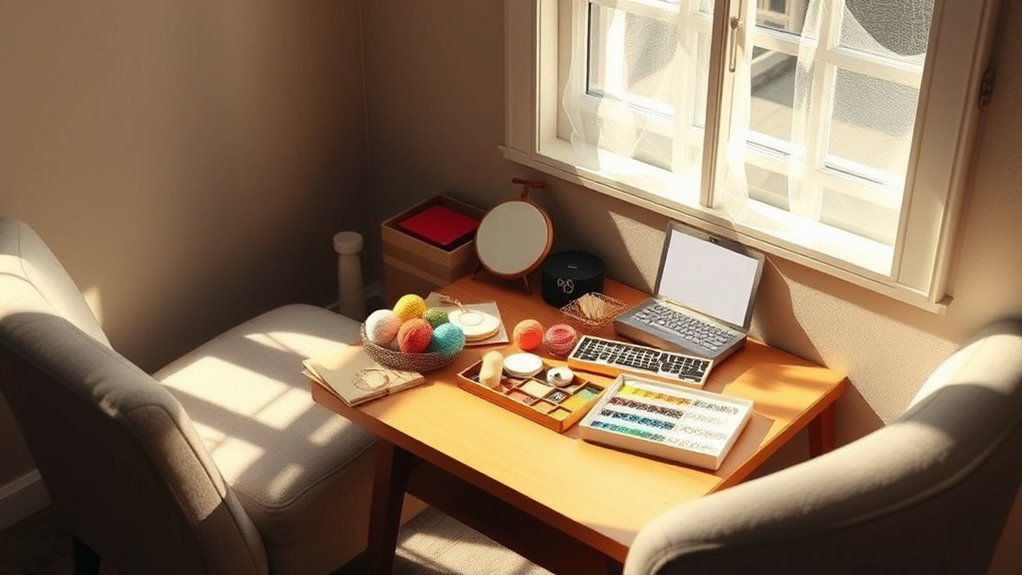
While expressive and social crafts can be highly fulfilling, they may not suit everyone’s busy schedules or introverted nature. Low-commitment crafts allow you to enjoy creative outlets without feeling overwhelmed. Mindful knitting is perfect, offering calming, repetitive movements you can do anywhere. Eco-friendly crafting lets you create sustainably, even with short sessions.
| Craft Type | Suitable for | Commitment Level | Ideal Setting | Benefits |
|---|---|---|---|---|
| Mindful knitting | Introverts, busy schedules | Low | During breaks or quiet evenings | Stress relief, focus |
| Eco-friendly crafting | Conscientious, time-limited | Low | At home or on-the-go | Sustainable satisfaction |
| Simple embroidery | Beginners, introverts | Low | Quiet moments | Patience, creativity |
| Paper crafts | Quick projects | Low | Anywhere | Instant gratification |
| Doodle art | Busy times, introverts | Low | Short intervals | Relaxation, self-expression |
Aligning Your Interests and Hobbies With Suitable Craft Forms
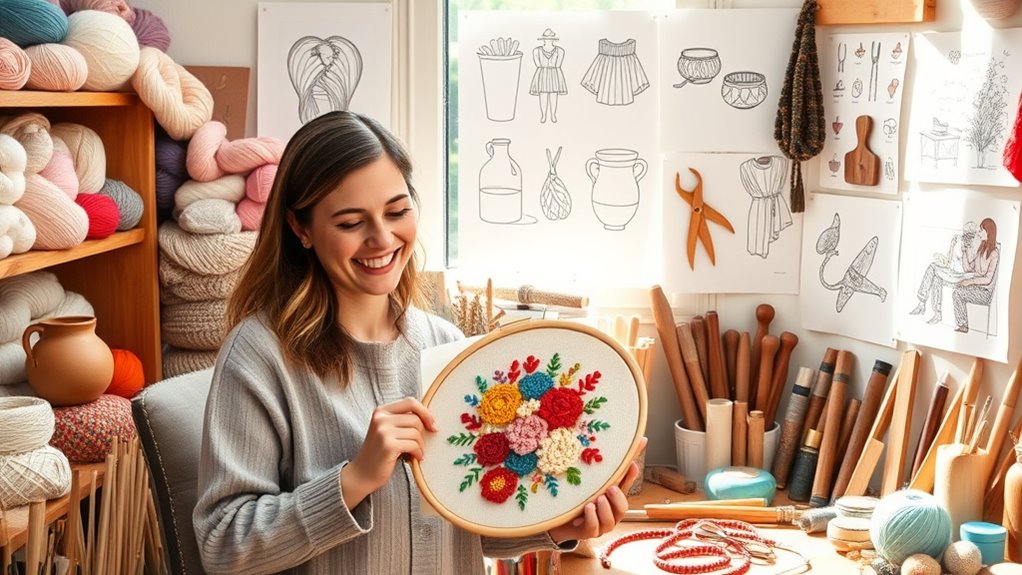
Finding craft activities that align with your interests and hobbies can make the creative process more enjoyable and sustainable. Consider the rich crafting history behind various forms—such as embroidery, woodworking, or pottery—to see what resonates with you. Your hobbies can guide your choice; for example, if you love nature, botanical illustration or natural dyeing might be appealing. Material selection plays a key role too—if you prefer tactile, hands-on work, clay or fabric might suit you best. Choosing a craft that connects with your passions ensures you’ll stay motivated and invested. Reflect on what excites you, and explore crafts that have long-standing traditions or that allow you to incorporate your personal interests seamlessly. This alignment makes your craft journey more meaningful and fulfilling.
Evaluating Your Learning Style to Find the Perfect Craft Skill

Understanding how you learn best helps you choose a craft skill you’ll enjoy and excel at. Whether you’re hands-on, visual, or auditory, matching your style makes practicing more effective. Recognizing your preferences guarantees you pick a skill suited to your way of learning.
Identify Your Learning Preferences
Knowing how you learn best is essential when choosing a craft skill that suits you. To identify your learning preferences, consider these aspects:
- Do you prefer step-by-step online craft tutorials or hands-on practice?
- Are you more comfortable with visual aids like videos or written instructions?
- Do you learn best by experimenting with craft supply organization on your own?
- Do you thrive in group classes or solo projects?
Understanding these preferences helps you tailor your learning approach. If you favor visual learning, opt for online tutorials with clear visuals. If hands-on practice appeals to you, focus on projects that emphasize craft supply organization. Being aware of your style ensures you pick a craft skill you’ll enjoy and excel at.
Match Skills to Style
Evaluating your learning style is essential for matching yourself with the right craft skill. Understanding how you absorb and process new information helps you choose a craft that aligns with your natural tendencies. Consider the craft skill history to see if it resonates with your curiosity about traditions and development over time. Reflect on the cultural significance of the skill—whether it connects to your heritage or interests you culturally. If you prefer hands-on learning, a craft with a rich history of tactile techniques, like pottery or weaving, might suit you. For visual learners, exploring skills with vibrant cultural symbolism, such as embroidery or beadwork, can be rewarding. Matching your style to a craft’s history and significance ensures you stay motivated and genuinely engaged.
Frequently Asked Questions
How Do I Identify the Craft Skills That Match My Long-Term Goals?
To identify craft skills that match your long-term goals, start with a personality assessment to understand your strengths and preferences. Then, consider how each skill aligns with your goals—does it challenge you, help you grow, or bring you closer to your vision? Focus on skills that resonate with your personality and support your aspirations, ensuring your efforts are both fulfilling and purpose-driven.
Can I Combine Multiple Craft Skills to Create a Unique Style?
Absolutely, you can combine multiple craft skills to create a style that’s as unique as your fingerprint. Mixing techniques and embracing stylistic fusion lets you craft art that stands out and tells your story. Think of it as blending colors on a palette—when you combine skills, you reveal endless creative possibilities. Don’t be afraid to experiment; this fusion can turn ordinary work into extraordinary masterpieces that truly reflect your personality.
What Resources Are Best for Beginners With Limited Time?
You should look for time-efficient tutorials and beginner-friendly resources that fit into your busy schedule. Online platforms like YouTube or craft websites offer quick, clear instructions you can follow at your own pace. Focus on short, focused lessons that teach core skills first. These resources help you make meaningful progress without overwhelming your limited time, allowing you to enjoy crafting and develop your skills steadily.
How Do I Maintain Motivation While Learning a New Craft?
Did you know that people who track their progress are 40% more likely to stay motivated? To keep your enthusiasm high, set small, achievable goals and celebrate each victory. Use motivational strategies like visual boards or journaling to remind yourself of your growth. Regularly reviewing your progress helps you see how far you’ve come, boosting your confidence and keeping you inspired to continue learning your new craft skill.
Are There Any Crafts That Are More Suitable for All Personality Types?
Universal crafts like knitting, drawing, or simple woodworking are suitable for all personality types, especially if you focus on beginner-friendly skills. These activities allow you to express creativity, relax, and learn at your own pace. Whether you’re introverted or extroverted, you’ll find ways to enjoy and improve. Start with easy projects, and you’ll discover how these crafts can adapt to your personality and boost your confidence.
Conclusion
Choosing the right craft skill aligns with who you are—your personality, interests, and lifestyle. When you match your traits with a craft that excites you, learning becomes a joy, not a chore. Think of it as finding a mirror reflecting your true self—your passions, your strengths, your rhythm. So trust your instincts, explore boldly, and let your personality guide you toward a craft that not only fits but also fuels your creative spirit.