
TL;DR

Get business pricing on tools and workshop supplies
- Business-only prices and quantity discounts
- Tax-exempt purchasing
- Multiple users, one account, clear invoices
Cordless power drill sets combine a battery-powered drill with accessories, but the best choice hinges on tool performance, battery platform, and ergonomics. Focus on quality, versatility, and future-proofing for the best results.
Imagine drilling into a stubborn piece of hardwood, your old drill slowing down to a sluggish grind. Now picture a sleek, powerful cordless set zipping through it effortlessly. The right drill set can turn DIY projects from frustrating to satisfying.
But with so many options, how do you pick the best one? It’s not just about the number of bits or accessories. Performance, battery compatibility, and comfort matter more than ever. This guide breaks down what really counts when choosing a cordless power drill set — so you get the right tool for your projects without wasting money.
Prioritize the right tool type (drill, impact, hammer) based on your projects to avoid overspending on unnecessary features.
Opt for brushless motors if you plan frequent use; they offer longer runtime and greater durability.
Choose a battery ecosystem that matches your future tool needs, saving money and space in the long run.
Adjustable torque and speed controls are critical for precise work and material protection.
Don’t skimp on safety: always wear PPE, check for hidden wiring, and store batteries properly.
Why Not All Drill Sets Are Created Equal — Know the Key Differences
When shopping for a cordless drill set, the first thing to understand is the tool type. A drill/driver handles most household drilling and screwdriving tasks. A hammer drill adds a percussive punch, perfect for brick or masonry but heavier and bulkier. An impact driver specializes in driving long screws and stubborn fasteners, operating loudly but with less control for delicate work.
For example, if you’re hanging cabinets or assembling furniture, a drill/driver is often enough. But if you’re remodeling a brick wall, a hammer drill makes the job easier. Impact drivers shine when framing or building decks where high-volume screw driving is routine. Understanding these differences helps you avoid wasting money on tools you don’t need.
Choosing the right tool for the task ensures efficiency and reduces fatigue, which is crucial if you’re working on large projects. Using a hammer drill for delicate tasks or impact driver for light work can lead to faster work and less damage to your materials. The tradeoff is that specialized tools tend to be more expensive and bulkier, so selecting the appropriate one for your typical projects maximizes value and comfort.
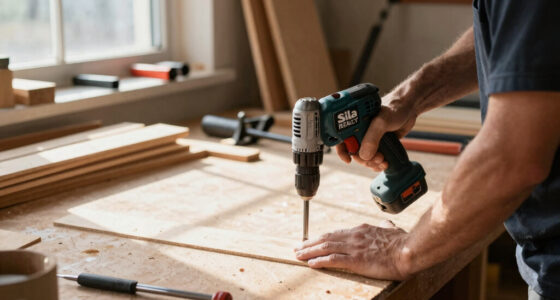
cordless drill set with brushless motor
As an affiliate, we earn on qualifying purchases.
As an affiliate, we earn on qualifying purchases.
The Power Class That Fits Your Projects — 12V, 18V, or 20V Max?
Deciding on voltage is one of the most common dilemmas. A 12V drill is light, compact, and perfect for small jobs like hanging pictures or assembling furniture. An 18V or 20V Max model offers more power and versatility, handling larger holes, tougher fasteners, and renovation projects.
But why does voltage matter beyond just power? Higher voltage usually means more torque, which is essential for demanding tasks like drilling through dense hardwood or concrete. However, increased power often comes with added weight, which can cause fatigue during prolonged use. So, selecting the right voltage involves balancing power needs with comfort. If you frequently switch between light and heavy tasks, a versatile 18V or 20V Max model provides adaptable performance without sacrificing too much on weight.
Research indicates that higher voltage drills tend to be more durable and capable of handling tougher jobs, but they may be overkill for casual or light-use scenarios. Conversely, smaller voltage drills excel in ease of handling but might struggle with more demanding projects. Your choice should reflect your typical workload and willingness to manage weight versus performance.
As an affiliate, we earn on qualifying purchases.
Battery Capacity and Ecosystem — Why They Matter for Your Workflow
Battery capacity, measured in amp-hours (Ah), directly influences how long your drill can operate before needing a recharge. A 2.0 Ah battery might last 20-30 minutes under heavy load, which is sufficient for quick tasks. A 4.0 Ah battery can double that runtime, making it ideal for longer projects. But larger capacity batteries are heavier, which can affect handling and cause fatigue, especially during extended use.
Two batteries in a set are a strategic advantage. They allow you to swap out a depleted battery for a fresh one without interrupting your workflow, significantly reducing downtime. This is especially valuable when working on large projects or in professional settings where efficiency matters. Additionally, choosing a system with a broad ecosystem—such as compatible saws, sanders, or outdoor tools—means you can expand your toolkit without buying entirely new batteries or chargers. This compatibility ensures future-proofing, saving money and space over time.
Imagine a scenario where you’re building a fence. With shared batteries across your tools, you save time, avoid clutter, and streamline your work process. The broader the ecosystem, the more versatile your investment becomes. However, it’s essential to consider the tradeoff: larger batteries add weight, which can impact ergonomics and cause fatigue during prolonged use. Balancing capacity with comfort ensures you get the most out of your tools without sacrificing ease of handling.
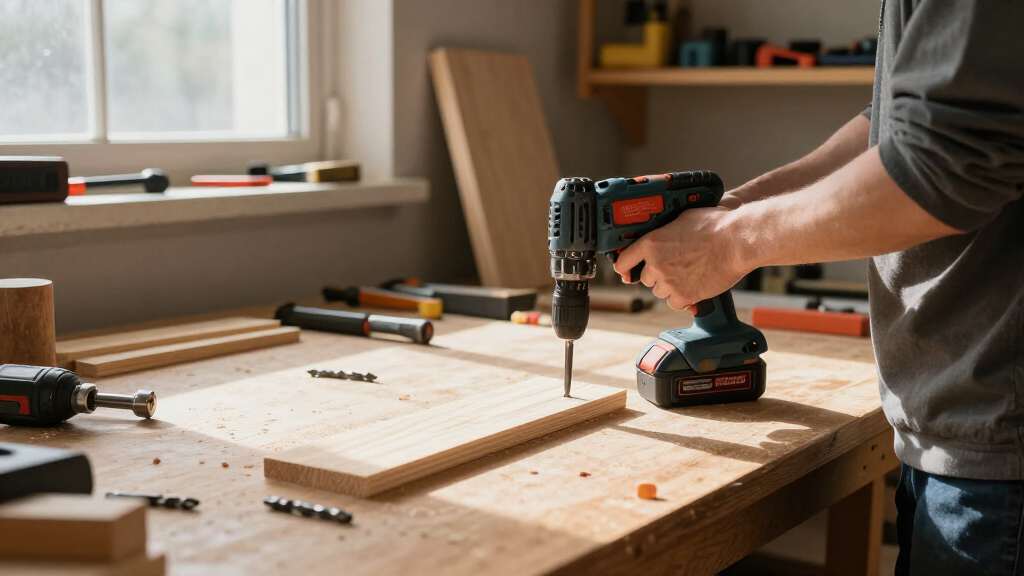
hammer drill and impact driver combo
As an affiliate, we earn on qualifying purchases.
As an affiliate, we earn on qualifying purchases.
Brushless vs. Brushed Motors — Which One Will Save You Time and Money?
Brushless motors are revolutionizing cordless drills by offering higher efficiency, longer runtime, and increased durability. They generate less heat and experience less wear, which translates into fewer repairs and longer overall lifespan. According to recent reviews, drills with brushless motors can extend runtime by up to 50%, allowing you to work longer without recharging, and reduce the risk of motor failure over time.
Why does this matter? Imagine a busy weekend project where multiple holes are drilled into dense material. A brushless drill maintains consistent power and doesn’t overheat, preventing unexpected shutdowns or damage. While the initial cost is higher, the savings come from less maintenance and replacement over the drill’s life. For professionals or frequent DIYers, this investment pays for itself in reliability and efficiency.
On the other hand, brushed motors are less expensive upfront and still provide adequate performance for occasional use. They may require more frequent repairs or replacement, but for infrequent projects, the cost difference might outweigh the longevity benefits of brushless technology. The key is assessing your usage patterns: high-frequency users benefit most from brushless motors, while casual users might prefer the lower initial investment.
As an affiliate, we earn on qualifying purchases.
Torque and Speed — The Dynamic Duo for Precise Work
Torque and speed control are fundamental for tailoring your drill’s performance to specific tasks. Torque determines how much twisting force the drill can apply, which is crucial when driving large screws or working with dense materials. Excessive torque can strip screws or damage softer materials, so adjustable torque settings help you prevent this. Speed controls, often via variable triggers, allow you to set the rotation speed, which is essential for delicate tasks like screwing into drywall or drilling through metal without overheating.
Effective use of these features means you can match the tool’s power to the material and task at hand, improving accuracy and reducing mistakes. For example, low torque and slow speed are ideal for precision work with small screws or soft materials, while high torque and fast speed suit heavy-duty drilling. Many modern drills feature two-speed gearboxes, allowing you to switch between modes quickly, akin to shifting gears in a car. This flexibility enhances control and efficiency, especially in complex projects.
Understanding how to optimize torque and speed helps prevent common issues like stripped screws, broken bits, or damaged workpieces. Proper adjustment minimizes material waste, saves time, and extends the life of your bits and tools. It’s about developing a feel for the tool and knowing which settings to use for different scenarios, turning a basic drill into a precise, versatile instrument.
The Chuck and Accessories — Picking the Right Bits for the Job
The chuck is the part of the drill that holds your bits, and its size directly impacts the range of bits you can use. A 10 mm (3/8 inch) chuck is generally suitable for light to medium tasks, such as screwdriving or small holes. A 13 mm (1/2 inch) chuck accommodates larger bits and provides more stability for heavy-duty work like drilling into thick wood or masonry. Metal chucks tend to be more durable and resistant to wear than plastic ones, making them a better long-term investment for frequent use.
Choosing the right chuck size and quality accessories is essential because it affects both safety and performance. A mismatched or low-quality bit can slip, break, or damage your workpiece, leading to frustration and potential safety hazards. Think about your typical projects: if you often work with masonry, investing in a set with masonry bits and a compatible chuck is wise. For furniture assembly, a variety of Phillips, Torx, and slotted bits will be most useful. Ensuring your set includes high-quality, durable bits tailored to your tasks will save you time and money in the long run.
Remember, not all sets include the specific bits you’ll need for your projects. It’s beneficial to buy a comprehensive set or individual bits for specialized materials, especially if you plan to tackle masonry, metal, or other challenging materials regularly.
Safety First — Protect Yourself and Your Workspace
Safety isn’t optional when using a cordless drill. Always wear eye protection and secure your workpiece with clamps. Check for hidden wiring or plumbing in the wall before drilling.
Use the correct bit for the material, and keep bits sharp to prevent slips. Remove batteries before changing accessories to avoid accidental activation.
Store batteries in a cool, dry place, away from heat and moisture. Regularly inspect for damage or swelling, and dispose of compromised batteries properly.
A small investment in PPE and safety habits prevents accidents and prolongs your tools’ life.
What Does a Complete Cordless Drill Set Usually Contain?
A versatile set typically includes:
- A drill/driver or hammer drill
- One or two batteries
- A compatible charger
- Bits for wood, metal, and masonry
- Common screwdriver bits (Phillips, Torx, slotted)
- Magnetic bit holder
- Nut drivers or sockets
- A sturdy storage case
- A belt clip or auxiliary handle where applicable
Focus on quality over quantity. A few durable, well-made bits outperform a large, soft collection of cheap accessories every time. Also, ensure the set matches your typical projects to avoid buying extras later.
Frequently Asked Questions
What voltage drill is best for home use?
A 12V drill is perfect for routine household tasks like hanging pictures or assembling furniture. For more demanding projects, an 18V or 20V Max model offers the power and versatility needed to handle larger holes and tougher fasteners.
Is a brushless drill worth the extra cost?
For frequent use, yes. Brushless motors improve efficiency, extend runtime, and last longer, saving you money on repairs and replacements. Occasional DIYers might find brushed models sufficient, but heavier use leans in favor of brushless technology.
How much torque do I need?
Light screwdriving requires lower torque, while larger fasteners or dense wood need more. Since torque ratings aren’t perfectly comparable, test the drill on your typical materials or look for real-world reviews to gauge performance.
Is one battery enough?
For small projects or infrequent use, a single battery may suffice. But two batteries reduce downtime, especially if you’re working on multiple tasks or larger projects where extended runtime matters.
Do I need a hammer drill?
If you frequently drill into brick, concrete, or stone, a hammer drill makes those jobs much easier. For most home repairs involving wood, drywall, or metal, a standard drill/driver is enough. Repeated masonry work might require a rotary hammer for larger jobs.
Conclusion
Picking a cordless power drill set isn’t just about how many bits come in the box. It’s about matching power, battery system, and comfort to your real-world needs. Invest wisely, and your drill becomes more than just a tool — it’s a reliable partner for every project.
Remember, a well-chosen set makes all the difference between a frustrating day in the workshop and a satisfying day of results. So, focus on performance, compatibility, and safety — and you’ll drill with confidence for years to come.
Fall yard work Picks
leaf blowers
As an affiliate, we earn on qualifying purchases.