
TL;DR
Chinese artist Gao Zhen has been sentenced to three years in prison for creating sculptures of Mao Zedong. The case highlights ongoing tensions between artistic freedom and political control in China. The legal proceedings are confirmed, but the full reasons behind the charges remain under dispute, similar to other controversial cases involving artistic expression.
Chinese artist Gao Zhen has been sentenced to three years in prison for creating sculptures depicting Mao Zedong, according to official Chinese court documents. The case has attracted international attention, highlighting the ongoing restrictions on political expression and artistic freedom in China. The sentencing confirms the government’s firm stance against artworks deemed politically sensitive, raising concerns among artists and human rights advocates worldwide.
The sentence was handed down by a court in Beijing after Gao Zhen was convicted of ‘inciting subversion of state power’ through his sculptures, which portray Mao Zedong in various artistic forms. The court’s ruling, issued on March 20, 2024, states that Gao’s works ‘seriously disturbed social order’ and ‘undermined national unity.’ Gao, 45, was detained in September 2023, and his trial took place behind closed doors, with official statements emphasizing the charge of ‘endangering national security.’
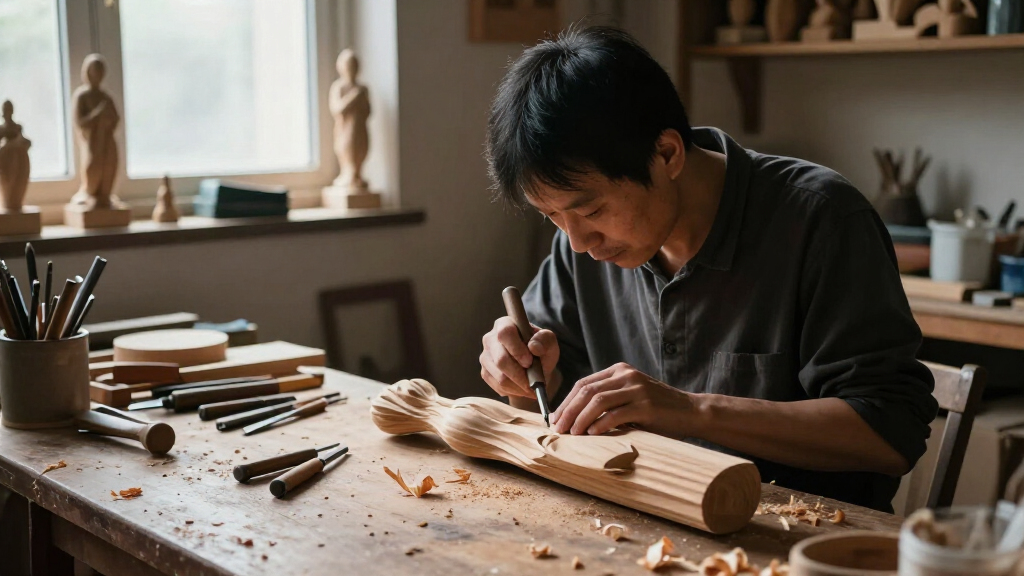
Gao’s sculptures, which include busts and abstract representations of Mao, were exhibited publicly in 2022 and 2023 before authorities ordered their removal and initiated legal action. The artist’s supporters argue that his works are a form of artistic expression and political commentary, while critics within the government view them as provocative and harmful to social stability. The case marks one of the most severe punishments handed to an artist for political artwork in recent years, such as the Texas tattoo artist case.
Impact on Artistic Freedom and Political Expression in China
The sentencing of Gao Zhen underscores the Chinese government’s ongoing efforts to control political narratives and suppress dissenting artistic voices. It signals a warning to other artists that creating politically sensitive works, especially those referencing Mao Zedong or other revolutionary figures, can lead to criminal charges and imprisonment. This case exemplifies the broader pattern of censorship and legal action against individuals perceived as challenging state authority, raising concerns about the shrinking space for artistic and political expression in China.
As an affiliate, we earn on qualifying purchases.
China has a long history of regulating artistic expression, particularly when artworks challenge or critique political leaders and government policies. Artworks depicting Mao Zedong, the founding father of the People’s Republic of China, have historically been sensitive topics. While some artists have used Mao as a symbol of revolutionary ideals, others have created works that question or satirize his legacy. In recent years, authorities have intensified efforts to monitor and censor political art, with several artists facing detention or legal action for their work. Gao Zhen’s case fits into this pattern, reflecting the government’s stance on maintaining control over political symbolism and historical narratives.
“The court’s decision reflects a misinterpretation of artistic freedom and an overreach of political censorship.”
— Li Wei, Gao’s legal representative
As an affiliate, we earn on qualifying purchases.
Unresolved Questions About the Case’s Broader Implications
It remains unclear whether Gao Zhen’s case will set a legal precedent for similar artworks or lead to broader crackdowns against politically sensitive art in China. The full scope of the government’s plans to regulate artistic expression remains undisclosed, and international observers are watching for potential policy shifts. Details about Gao’s current detention conditions and whether he will appeal the verdict are also still emerging.
As an affiliate, we earn on qualifying purchases.
Next Steps in Gao Zhen’s Legal Process and Artistic Community Response
Gao Zhen’s legal team has announced plans to appeal the conviction, and the case is expected to go to a higher court in the coming months. Meanwhile, artists and human rights organizations are calling for international attention and urging Chinese authorities to reconsider the severity of the sentence. The case is likely to influence how political art is produced and exhibited in China, with some artists possibly exercising greater caution in their work.
As an affiliate, we earn on qualifying purchases.
Key Questions
Why was Gao Zhen sentenced to prison?
He was sentenced to three years for creating sculptures depicting Mao Zedong, which the court deemed to have ‘endangered national security’ and ‘disturbed social order.’
What kind of sculptures did Gao Zhen create?
Gao’s works included busts and abstract representations of Mao Zedong, which were exhibited publicly before authorities ordered their removal.
Is Gao Zhen allowed to appeal his sentence?
Yes, Gao’s legal team has announced plans to appeal the verdict, though the outcome is uncertain.
What does this case mean for other artists in China?
The case signals increased risks for artists creating politically sensitive works, especially those referencing Mao or challenging official narratives.
Has there been international reaction to Gao Zhen’s sentencing?
International human rights groups and art organizations have expressed concern over the case, condemning it as a suppression of artistic freedom.
Source: rss