Understanding wood grain might seem small, but it’s a game-changer for your projects. The grain pattern affects how the wood looks, how strong it is, and how it handles wear over time. Straight, curly, or spiral grains each bring a different character and performance. Choosing the right grain enhances both the beauty and durability of your work. Keep exploring, and you’ll discover even more ways that grain details can transform your craftsmanship.

Get business pricing on tools and workshop supplies
- Business-only prices and quantity discounts
- Tax-exempt purchasing
- Multiple users, one account, clear invoices
Key Takeaways
- Wood grain is the pattern created by fiber arrangement, affecting appearance, strength, and durability.
- Recognizing grain types (straight, wavy, curly, spiral) helps in selecting suitable wood for projects.
- Grain orientation influences structural stability and resistance to stress or damage.
- Proper handling and matching of grain enhance aesthetic appeal and long-term longevity of wood pieces.
- Small details in grain flow can significantly impact the visual character and overall quality of woodworking projects.
As an affiliate, we earn on qualifying purchases.
Understanding the Basics of Wood Grain

Wood grain refers to the pattern created by the arrangement of fibers in a piece of wood. Your understanding begins with grain orientation, which influences both appearance and strength. When fibers run straight along the length of a board, you see a linear grain, making it easier to work with and more stable. Conversely, a cross-grain or irregular pattern can be more challenging but offers unique visual effects. The wood species plays a significant role because each type has distinctive grain characteristics—oak has prominent, open grains, while maple offers a tighter, smoother pattern. Recognizing these differences helps you select the right wood for your project, ensuring that the grain enhances both the aesthetic and structural qualities of your finished piece.
As an affiliate, we earn on qualifying purchases.
Types of Wood Grain Patterns

Different wood grain patterns can dramatically influence the look of your project, giving each piece unique character and style. Common patterns include straight, wavy, curly, and spiral grains, each offering distinct visual effects. Straight grain provides a clean, uniform appearance, while wavy and curly grains add movement and depth. Spiral grains create striking, swirling designs. When selecting wood, consider sustainable forestry practices, which promote eco-friendly sourcing of various grain types. Understanding grain patterns helps you select the appropriate wood for your aesthetic goals and guarantees your project aligns with environmentally responsible sourcing. Recognizing the diversity of grain types enriches your appreciation and mastery of woodworking, especially when considering sustainable sourcing for eco-conscious projects. Exploring different grain identification techniques can further enhance your ability to choose the best wood for your specific needs. Additionally, understanding the effects of grain on durability can guide you in choosing the most suitable wood for your intended use.
As an affiliate, we earn on qualifying purchases.
How Grain Affects Wood Strength and Durability
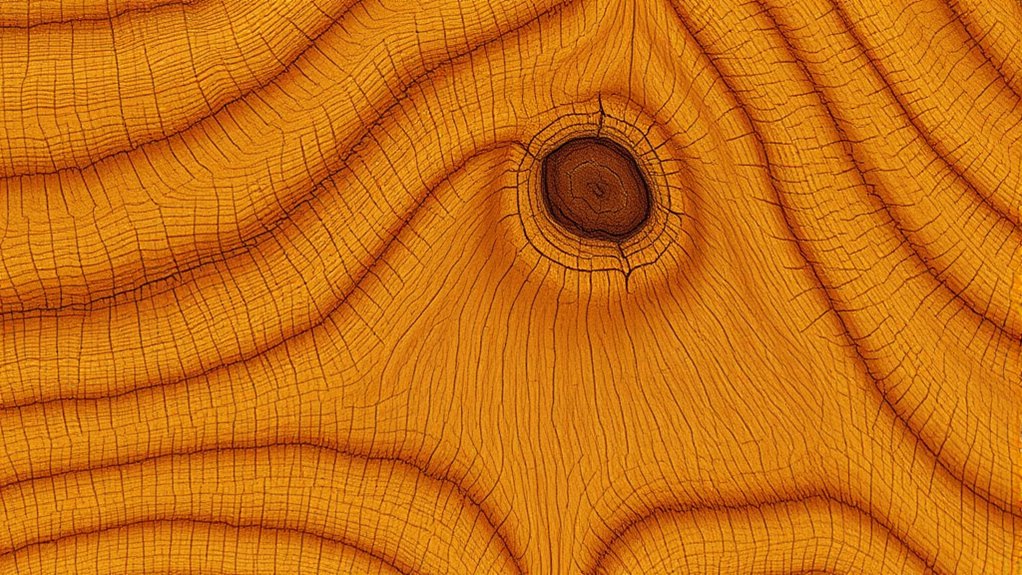
The direction of the grain influences how strong and resistant to stress your wood will be. Variations in grain density can also affect its durability over time. Understanding these factors helps you choose the right wood for your project’s strength and longevity. Additionally, properly assessing grain quality ensures better overall performance and aesthetic appeal in your finished piece. Techniques used in visual and auditory cues can assist in evaluating grain patterns and consistency for optimal results. Recognizing grain orientation can also help in selecting wood that withstands environmental changes more effectively. Being aware of air purifier maintenance dos and don’ts can help maintain your tools and workspace, ensuring a cleaner environment during woodworking projects. Paying attention to natural filtration systems in eco-friendly pools can similarly improve water quality and pool sustainability.
Grain Direction and Strength
Grain direction plays a crucial role in determining how strong and durable a piece of wood will be. When the grain orientation aligns with the load, the wood can withstand greater stress without splitting or breaking. Conversely, grain that runs perpendicular or irregularly can weaken the structure. Grain uniformity also influences strength; consistent grain spacing results in predictable performance. To illustrate, consider this table:
| Grain Orientation | Strength Impact | Best Use Cases |
|---|---|---|
| Parallel to load | Highest | Beams, furniture |
| Perpendicular to load | Weaker | Decorative panels |
| Irregular grain | Unpredictable | Specialty crafts |
| Consistent grain | Reliable | Structural components |
| Varied grain | Less durable | Decorative accents |
Focusing on grain orientation and uniformity helps guarantee your wood performs reliably under stress. Properly selecting wood with proper grain orientation and understanding European wood standards can further enhance the durability of your projects. Additionally, selecting wood with grain alignment that suits your application’s load direction can significantly extend the lifespan of your constructions. Recognizing the importance of grain consistency can also lead to better overall project quality and longevity. Moreover, understanding how grain direction interacts with environmental factors like moisture and temperature can ensure long-term stability.
Grain Density Variations
Have you ever considered how variations in grain density can influence the strength and durability of wood? Grain density varies across different species and within a single piece, affecting how well the wood holds up under stress. Higher density often means tougher, more resilient wood, while lower density can lead to weakness or susceptibility to damage. These density variations can determine whether your project withstands wear or warps over time. Understanding these subtle differences helps you select the right wood for your needs, especially when considering the science behind wood properties. For example, certain types of high-density woods are preferred for vetted applications that demand durability and strength. Recognizing how Youngster Choice impacts the overall quality can further guide your selection process. Additionally, understanding density variations allows for better predictions of how wood will perform in different environments.
Impact on Durability
Variations in grain density directly impact how well wood stands up to daily wear and environmental factors. Wood with high grain resistance resists splitting, denting, and surface damage, making it more durable over time. Conversely, areas with lower resistance are more vulnerable to scratches and deformation. Grain orientation also influences moisture absorption; grains aligned with water flow absorb less moisture, reducing swelling and warping. This grain alignment plays a crucial role in moisture management, which enhances the wood’s overall durability, especially in humid or outdoor settings. Properly understanding grain resistance helps you select wood that withstands wear, resists decay, and maintains its appearance longer. Additionally, the density of the grain affects how well the wood can handle environmental stresses, further influencing its longevity. When selecting wood for long-lasting applications, understanding how grain density affects resistance and moisture absorption helps you choose materials that withstand wear, resist decay, and maintain their appearance longer. Properly considering grain details ensures your wood surfaces stay strong and resilient.
As an affiliate, we earn on qualifying purchases.
The Role of Grain in Aesthetic Appeal
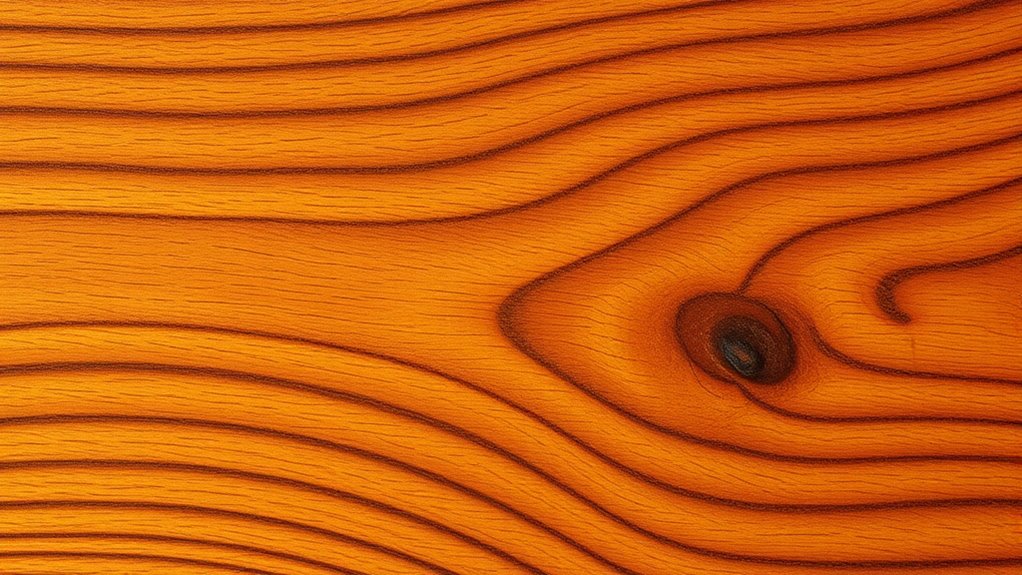
The aesthetic appeal of wood is largely influenced by its grain, which adds character and depth to any piece. Your choices in finishing techniques can highlight or soften this natural beauty, creating stunning visual effects. When grain matching is precise, it produces seamless patterns that enhance the overall design, making your project feel intentional and refined. The unique flow of the grain can evoke feelings of warmth, sophistication, or rustic charm, depending on how it’s showcased. Paying attention to grain direction and pattern ensures your work captures the natural elegance of the wood. Understanding grain patterns is essential for selecting the right wood for specific visual and tactile effects. By thoughtfully selecting and emphasizing grain, you can transform simple materials into eye-catching, emotionally resonant pieces that truly stand out.
Techniques for Working With Different Grain Directions

Working with different grain directions requires careful planning and technique to achieve smooth, durable results. First, pay attention to grain orientation when cutting and joining pieces; aligning the grain properly reduces splintering and improves strength. When matching grain, always consider the flow and pattern to create a seamless appearance. Use sharp tools to make clean cuts, especially when working across different grain directions, as dull blades can cause tearing. Clamping pieces tightly helps prevent shifting and misalignment during glue-up. Sand with the grain whenever possible to avoid scratches and uneven surfaces. If you need to work against the grain, take extra care by making shallow cuts and adjusting your technique to minimize tear-out. Proper handling of grain orientation and matching grain ensures a professional, high-quality finish.
Tips for Choosing the Right Grain for Your Project

Are you selecting the right grain for your project? Choosing the perfect grain involves considering grain consistency and grain color. You want a uniform pattern that enhances your design without surprises. Focus on grain consistency to ensure smooth finishing and durability. Opt for grain colors that complement or contrast your overall aesthetic, creating visual interest. Keep in mind that the right grain can set the mood and tone of your piece.
Selecting the right grain ensures a polished look and enhances your project’s mood.
Here are some tips to guide you:
- Pick a grain with consistent texture for a polished look
- Match grain color to your desired style, from warm to cool tones
- Consider how the grain pattern will flow with your design
- Avoid irregular grains that may cause weak spots
- Trust your instincts—let the grain inspire your project’s personality
Frequently Asked Questions
Can Wood Grain Influence How a Finish Appears on the Surface?
Yes, wood grain can influence how a finish appears on the surface. The grain pattern determines how the finish interacts with the wood, affecting the depth and color. It can also impact the surface sheen, as certain grain directions may reflect light differently. By understanding the grain, you can choose the right finish to enhance the natural beauty and achieve the desired look on your project.
How Does Climate Change Affect the Wood Grain Over Time?
Climate change impacts your wood grain through drought stress and temperature fluctuations. These factors cause the wood to expand and contract unevenly, leading to warping, cracking, or changes in the grain’s appearance over time. You might notice your wood surfaces becoming more irregular or textured as the grain responds to these environmental stresses. To preserve your wood’s integrity, consider climate-controlled storage and proper sealing to minimize damage.
Are Certain Wood Grains Better for Outdoor Furniture?
Yes, certain wood grains are better for outdoor furniture. You should look for wood with high grain durability, which resists weather and decay, ensuring longevity. Some grains also offer aesthetic variation, giving your furniture a unique, natural look. Hardwoods like teak and cedar are excellent choices because their grain patterns are both durable and visually appealing. This way, your outdoor pieces stay beautiful and last longer against the elements.
How Do Synthetic or Engineered Woods Compare in Grain Detail?
Synthetic or engineered woods often lack the natural grain variation you see in real wood, offering more consistent patterns. While this grain consistency means fewer surprises and a uniform look, it can feel less authentic compared to the unique, varied patterns of natural wood. You get a sleek, predictable appearance, but miss the charm that pattern variation provides. Ultimately, it’s about whether you prefer consistency or the character of natural grain.
Can Grain Patterns Indicate the Age or Growth Conditions of a Tree?
Yes, you can often tell a tree’s age and growth conditions from its grain patterns. Narrow, tightly packed rings suggest slow growth, often indicating older trees or stressful conditions like drought. Wider rings show rapid growth, typically in favorable environments. By examining the grain detail, you gain insights into the tree’s history, understanding how age and growth conditions impacted its development and appearance over time.
Conclusion
Don’t let the complexity of wood grain intimidate you. By understanding its patterns and how they influence strength and appearance, you can make smarter choices for your projects. Sure, working with different grains can seem tricky at first, but with practice, you’ll see it’s worth the effort. Embrace the tiny details—your craftsmanship will shine, and your finished piece will stand out with natural beauty and durability that truly lasts.
Fall yard work Picks
leaf blowers
As an affiliate, we earn on qualifying purchases.