
TL;DR

Get business pricing on tools and workshop supplies
- Business-only prices and quantity discounts
- Tax-exempt purchasing
- Multiple users, one account, clear invoices
A gardening report says leftover pumpkin can be offered to birds as a seasonal supplement, particularly when natural food is scarce. The advice is to use only fresh, unseasoned pumpkin in a hanging feeder, keeping it away from hedgehogs and removing paint, wax or other coatings.
Leftover Halloween pumpkin can be used as a supplementary food for garden birds, according to advice cited by Ideal Home, but it should be fresh, free of coatings and offered in a hanging bird feeder. The report warns against leaving pumpkin where hedgehogs can reach it, saying it may upset their digestion.
James Ewens, a bird specialist at Green Feathers quoted by Ideal Home, recommends putting chopped pumpkin or seeds in a hanging feeder rather than on the ground. The placement is intended to make the food accessible to birds while reducing access for hedgehogs, which the report says may eat pumpkin flesh despite the potential digestive effects.
The report describes pumpkin seeds as a source of protein and fats, while the flesh contains water and fibre. Ewens says birds need energy reserves during colder months, when natural food can become harder to find and they use energy to keep warm. Pumpkin is presented as a supplement, not as a replacement for a suitable bird diet.
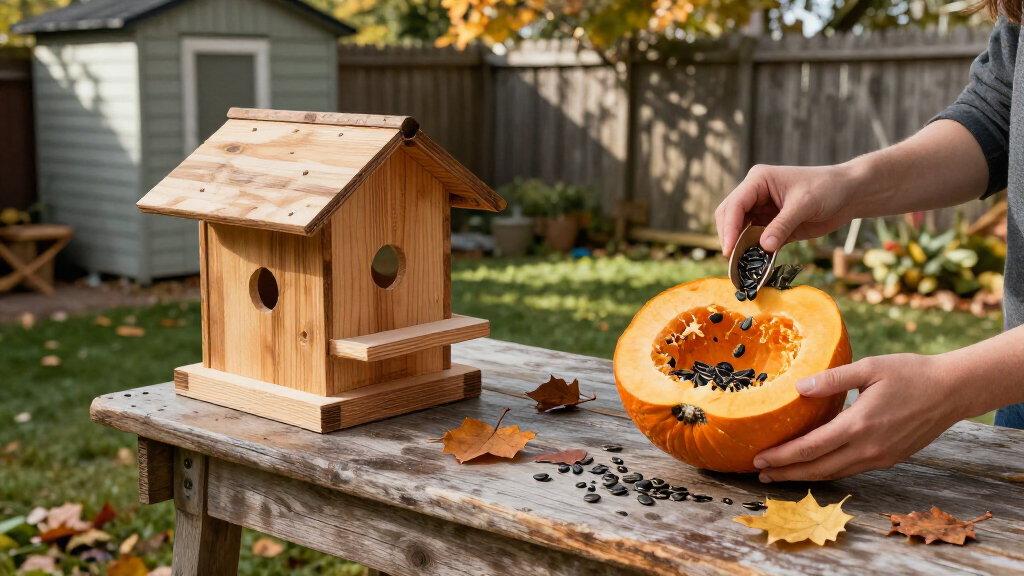
Before feeding pumpkin, check that it is still fresh and has no mould. Remove paint or other added materials, and wash the pumpkin with warm water without soap or chemicals, Ewens advises. Scoop out the seeds and rinse away stringy pulp; seeds can be served fresh or dried. Do not offer seeds that have been salted, oiled, sugared or spiced. Chopping seeds may help smaller birds eat them.
A Safer Way to Reuse Pumpkin
Using suitable pumpkin as bird food offers households a way to reuse part of a seasonal decoration instead of immediately discarding it. The advice is especially relevant as colder weather approaches, when birds may have fewer natural food sources and supplementary feeding can provide extra energy.
The placement and preparation matter as much as the food itself. A hanging feeder can help keep pumpkin away from hedgehogs, while removing coatings and avoiding seasoned or mouldy pieces reduces avoidable hazards. The report does not suggest that every pumpkin is safe to feed: freshness and the absence of additives are key conditions.
Popular right now

Ninja CREAMi Scoop & Swirl 13-in-1 Ice Cream and Soft Serve Maker, NC701

Bose QuietComfort Wireless Noise-Cancelling Over-Ear Headphones, Black

Vitamix Propel Series 510 Professional-Grade Blender, 3 Programs, Black
As an affiliate, we earn on qualifying purchases.
From Halloween Carving to Winter Feeding
Many households carve or display pumpkins for Halloween and then need to decide how to dispose of them. Ideal Home’s report focuses on one possible use for leftovers: offering some of the pumpkin to garden birds. Its guidance is based on comments from Ewens and addresses both the potential value of the food and how to serve it.
The report distinguishes bird feeding from feeding hedgehogs. Although hedgehogs may eat pumpkin, Ewens says they are primarily insectivores and that pumpkin can upset their digestion, potentially contributing to dehydration at a time when they need to build fat reserves before hibernation. He recommends specialist hedgehog food or meaty cat or dog food, with shallow water, instead.
“Pumpkin seeds are highly nutritious and high in protein and healthy fats.”
— James Ewens, bird specialist at Green Feathers, quoted by Ideal Home
Limits of the Feeding Advice
The report does not specify how much pumpkin to offer, how long it should remain in a feeder, or which feeder designs prevent access by every other animal. It also does not provide independent research or a detailed list of bird species that can safely eat pumpkin. The advice is attributed to Ewens, and pumpkin should be treated as an occasional supplement rather than a complete food source.
Households should discard pumpkin that is mouldy, deteriorating or treated with materials that cannot be removed. The report gives no specific storage period for prepared seeds, so it does not establish how long dried seeds remain suitable for feeding.
Check and Prepare Before Feeding
After Halloween, inspect any leftover pumpkin before using it. If it is fresh and untreated, remove coatings, wash it with warm water, and prepare the flesh or seeds without salt, oil, sugar or spices. Place small portions in a hanging feeder and keep the feeder clean; remove leftovers if they become spoiled.
For hedgehogs, do not leave pumpkin on the ground. The report recommends specialist hedgehog food or meaty cat or dog food and a shallow dish of water instead. Anyone unsure whether a pumpkin has been painted, coated or begun to spoil should not offer it to wildlife.
Key Questions
Can birds eat leftover Halloween pumpkin?
According to wildlife expert James Ewens, fresh pumpkin flesh and seeds can be offered as supplementary food. Do not use pumpkin that is mouldy or has been seasoned.
Why should pumpkin go in a hanging feeder?
The report recommends a hanging feeder to make pumpkin accessible to birds while keeping it out of reach of hedgehogs, which may be harmed by eating it.
How should pumpkin seeds be prepared for birds?
Scoop them out, rinse off the stringy pulp and serve them fresh or dried. Do not add salt, oil, sugar or spices; chopping seeds can make them easier for smaller birds to eat.
Is pumpkin safe for hedgehogs?
Ewens advises against feeding pumpkin to hedgehogs because it can upset their digestion and may contribute to dehydration. The report recommends specialist hedgehog food or meaty cat or dog food, plus shallow water.
Source: idealhome.co.uk