The best textile and fiber art books pair clear visual inspiration with the kind of instruction or context you want from a book. My best overall pick is The Art of Manipulating Fabric, a strong choice for learning how fabric can be shaped into dimensional work. For contemporary art perspectives, Textiles x Art stands out, while Fiber Craft Heritage links historical techniques with hands-on projects. The main tradeoff is whether you want practical instruction, a broad reference, or ideas for developing your own artistic practice. Read on for the full breakdown of all 15 options and how they differ.

Get business pricing on tools and workshop supplies
- Business-only prices and quantity discounts
- Tax-exempt purchasing
- Multiple users, one account, clear invoices
Complete the kit


Key Takeaways
- The Art of Manipulating Fabric takes the overall lead because its technique-centered focus offers a direct bridge from textile curiosity to making.
- Textiles x Art and Textile Fine Art favor contemporary artistic practice and artist perspectives over step-by-step project instruction.
- Textilepedia is the broadest reference-style choice, while focused books such as Nalbinding – It’s Not Knitting suit readers pursuing a specific technique.
- Fiber Craft Heritage pairs historical range with 52 try-it projects, making it a more approachable hands-on option than art-focused surveys.
- The comparison separates books by purpose: technique manuals, visual inspiration, cultural and historical context, and specialized mixed-media or sculptural practice.
| Textile Portraits: People and Places in Textile Art |  | Best for Narrative Textile Art | Title: Textile Portraits: People and Places in Textile Art | ASIN: 1849947538 | Subject: Textile art depicting people and places | VIEW LATEST PRICE | See Our Full Breakdown |
| The Art of Manipulating Fabric |  | Best for Fabric Surface Techniques | Title: The Art of Manipulating Fabric | ASIN: 0801984963 | Subject: Fabric manipulation | VIEW LATEST PRICE | See Our Full Breakdown |
| Textiles x Art: How Textiles Are Shaping Contemporary Art |  | Best for Contemporary Art Context | Title: Textiles x Art: How Textiles Are Shaping Contemporary Art | ASIN: 1760765511 | Subject: Textiles in contemporary art | VIEW LATEST PRICE | See Our Full Breakdown |
| Slow Stitch: Mindful and Contemplative Textile Art |  | Best for Mindful Making | Title: Slow Stitch: Mindful and Contemplative Textile Art | ASIN: 1849942994 | Subject: Mindful and contemplative textile art | VIEW LATEST PRICE | See Our Full Breakdown |
| Dimensional Cloth: Sculpture by Contemporary Textile Artists |  | Best for Textile Sculpture | Title: Dimensional Cloth: Sculpture by Contemporary Textile Artists | ASIN: 0764355368 | Subject: Sculpture by contemporary textile artists | VIEW LATEST PRICE | See Our Full Breakdown |
| Nalbinding – It’s Not Knitting: Heritage Techniques for the Contemporary Textile Crafter |  | Best for Heritage Technique Exploration | Subject: Nalbinding | Focus: Heritage textile technique | Intended audience: Contemporary textile crafters | VIEW LATEST PRICE | See Our Full Breakdown |
| Textilepedia: The Complete Fabric Guide |  | Best Fabric Reference | Subject: Fabric types, properties, and uses | Coverage: Wide range of fabrics | Features: Illustrations and practical fabric-selection tips | VIEW LATEST PRICE | See Our Full Breakdown |
| The Art of Textile & Fiber Crafts: A Practical Guide to Cloth, Thread, Yarn, Needlework, Construction, Repair, and Handcraft |  | Best for Practical Making and Repair | Subject: Textile and fiber crafts | Materials covered: Cloth, thread, and yarn | Craft areas: Needlework, construction, repair, and handcraft | VIEW LATEST PRICE | See Our Full Breakdown |
| Textile Fine Art: Conversations with Artists Creating by Hand |  | Best for Artist Perspectives | Subject: Textile fine art | Format of content: Conversations with artists | Creative approach: Creating by hand | VIEW LATEST PRICE | See Our Full Breakdown |
| Stitch, Fibre, Metal & Mixed Media: Inspiration, Projects & Techniques For Textile Artists |  | Best for Mixed-Media Exploration | Subject: Textile art and mixed media | Techniques named: Stitch and fiber | Additional materials: Metal and mixed media | VIEW LATEST PRICE | See Our Full Breakdown |
| Abstract Textiles: Color, Shape, and Pattern in Textile Art |  | Best for Abstract Design Inspiration | Title: Abstract Textiles: Color, Shape, and Pattern in Textile Art | ASIN: 1849949417 | Subject: Textile art | VIEW LATEST PRICE | See Our Full Breakdown |
| Textiles: The Art of Mankind |  | Best for Broad Cultural Context | Title: Textiles: The Art of Mankind | ASIN: 0500516456 | Subject: Textiles | VIEW LATEST PRICE | See Our Full Breakdown |
| Fiber Craft Heritage: Easy-to-Learn Textile Techniques from the Stone Age to Today, with 52 Try-It Projects |  | Best for Hands-On Beginners | Title: Fiber Craft Heritage: Easy-to-Learn Textile Techniques from the Stone Age to Today, with 52 Try-It Projects | ASIN: 0764369628 | Subject: Textile techniques | VIEW LATEST PRICE | See Our Full Breakdown |
| Reflective Stitch: Time & Place in Textile Art |  | Best for Personal and Place-Based Work | Title: Reflective Stitch: Time & Place in Textile Art | ASIN: 1849947546 | Subject: Textile art | VIEW LATEST PRICE | See Our Full Breakdown |
| The Textile Artist: Sculptural Textile Art: A Practical Guide to Mixed Media Wire Sculpture |  | Best for Wire-Based Textile Sculpture | Title: The Textile Artist: Sculptural Textile Art: A Practical Guide to Mixed Media Wire Sculpture | ASIN: 1782219005 | Subject: Sculptural textile art | VIEW LATEST PRICE | See Our Full Breakdown |
| textile and fiber art book | ASIN | Subject | Title | Format |
|---|---|---|---|---|
| Textile Portraits: People and | 1849947538 | Textile art depicting people and places | Textile Portraits: People and Places in Textile Art | Book |
| The Art of Manipulating Fabric | 0801984963 | Fabric manipulation | The Art of Manipulating Fabric | Book |
| Textiles x Art: How Textiles A | 1760765511 | Textiles in contemporary art | Textiles x Art: How Textiles Are Shaping Contemporary Art | — |
| Slow Stitch: Mindful and Conte | 1849942994 | Mindful and contemplative textile art | Slow Stitch: Mindful and Contemplative Textile Art | Book |
| Dimensional Cloth: Sculpture b | 0764355368 | Sculpture by contemporary textile artists | Dimensional Cloth: Sculpture by Contemporary Textile Artists | Book |
| Nalbinding | 178994306X | Nalbinding | — | Not specified |
| Textilepedia: The Complete Fab | 9887711098 | Fabric types, properties, and uses | — | Paperback |
| The Art of Textile & Fiber Cra | B0GZ5R5GHL | Textile and fiber crafts | — | Not specified |
| Textile Fine Art: Conversation | 1529437318 | Textile fine art | — | Not specified |
| Stitch | 1782217886 | Textile art and mixed media | — | — |
| Abstract Textiles: Color | 1849949417 | Textile art | Abstract Textiles: Color, Shape, and Pattern in Textile Art | — |
| Textiles: The Art of Mankind | 0500516456 | Textiles | Textiles: The Art of Mankind | — |
| Fiber Craft Heritage: Easy-to- | 0764369628 | Textile techniques | Fiber Craft Heritage: Easy-to-Learn Textile Techniques from the Stone Age to Today, with 52 Try-It Projects | — |
| Reflective Stitch: Time & Plac | 1849947546 | Textile art | Reflective Stitch: Time & Place in Textile Art | — |
| The Textile Artist: Sculptural | 1782219005 | Sculptural textile art | The Textile Artist: Sculptural Textile Art: A Practical Guide to Mixed Media Wire Sculpture | — |
More Details on Our Top Picks
Textile Portraits: People and Places in Textile Art
Textile Portraits is the most focused choice here for readers drawn to textile work that depicts people and places. Its subject-led scope gives the roundup a narrative counterpoint to Dimensional Cloth, which centers on sculptural form, and to the broader art-world discussion in Textiles x Art. That focus may help artists seeking ideas for translating identity, setting, or memory into fabric-based imagery. The available information does not specify particular techniques, projects, or artist examples, so I would not choose it as a step-by-step manual. Its strength is the clear thematic lens; the tradeoff is that readers after broad technique coverage or practical exercises may get more from a general textile guide. It suits visual inspiration better than a skills-first learning plan.
Pros:- A distinct focus on people and places gives readers a clear theme for exploring textile art
- Offers a narrative-oriented alternative to the sculptural emphasis of Dimensional Cloth
- May prompt ideas for representing identity, memory, and setting through textile materials
Cons:- The supplied information does not identify specific techniques or hands-on exercises
- Its subject-specific focus may be less useful to readers seeking a broad survey of textile art
Best for: Textile artists and art students developing portrait, place-based, or autobiographical work
Not ideal for: Beginners seeking explicit instructions, supply lists, or a structured set of projects
- Title:Textile Portraits: People and Places in Textile Art
- ASIN:1849947538
- Subject:Textile art depicting people and places
- Format:Book
- Technique details:Not provided
- Project details:Not provided
Our verdict“Choose this for a people-and-place lens on textile art, but pick a technique guide if you need instruction.”
The Art of Manipulating Fabric
The Art of Manipulating Fabric is the technique-oriented pick in this group: its title points to changing fabric itself rather than surveying artists or a theme. That makes it a useful contrast to Textiles x Art, which frames textiles within contemporary art, and Slow Stitch, which centers on a contemplative approach to making. For makers who want to explore how fabric can be shaped or altered, this narrower focus is likely more relevant than a broad visual survey. The supplied product information, however, gives no specific methods, project count, or level of instruction, so I cannot treat it as a confirmed beginner manual. Readers wanting contemporary-art context may prefer Textiles x Art, while those seeking a reflective practice may lean toward Slow Stitch.
Pros:- A focused subject gives fabric manipulation a clear place in a textile-art library
- Likely serves a more technique-centered purpose than the contextual Textiles x Art
- The topic can support experimentation with fabric as an expressive material
Cons:- The available description does not confirm which manipulation methods are covered
- No project, skill-level, or instructional details are provided
Best for: Textile makers interested in exploring ways to alter and manipulate fabric surfaces
Not ideal for: Readers who want a confirmed project-based course, detailed technique list, or contemporary-art survey
- Title:The Art of Manipulating Fabric
- ASIN:0801984963
- Subject:Fabric manipulation
- Format:Book
- Technique coverage:Not specified
- Project details:Not provided
Our verdict“Pick this for a focused exploration of fabric manipulation, while checking the contents if you need specific lessons or projects.”
Textiles x Art: How Textiles Are Shaping Contemporary Art
Textiles x Art earns its place as the strongest context-led pick: it examines how fiber and fabric are influencing contemporary artistic practice, with analysis and full-color imagery supporting that discussion. Compared with The Art of Manipulating Fabric, it is less about a specific making approach and more about how textile methods connect with fine art. That distinction makes it a better fit for readers building visual or critical understanding than for someone following a hands-on lesson. Its expert perspective and images are useful assets, but the stated focus may feel specialized if a reader is not already interested in textile or art theory. For a more contemplative making angle, Slow Stitch offers a different path; this book is the choice when the art-world conversation matters most.
Pros:- Explains textiles’ role in contemporary art rather than treating them only as craft materials
- Full-color images support the discussion of visual work
- Bridges craft and fine-art perspectives through expert analysis
- Offers a broader contextual view than the technique-focused The Art of Manipulating Fabric
Cons:- Its art-theory focus may not suit readers seeking practical projects
- The subject is geared toward readers already interested in textile or contemporary art
Best for: Contemporary artists, art students, and textile enthusiasts interested in how fiber practices intersect with fine art
Not ideal for: Makers looking primarily for step-by-step instructions or readers uninterested in art criticism and context
- Title:Textiles x Art: How Textiles Are Shaping Contemporary Art
- ASIN:1760765511
- Subject:Textiles in contemporary art
- Content approach:Analysis supported by images
- Image format:Full-color images
- Perspective:Craft and fine-art perspectives
- Intended readers:Artists, scholars, and textile-art enthusiasts
Our verdict“Choose this for illustrated, expert context on textiles in contemporary art rather than for a practical stitching course.”
Slow Stitch: Mindful and Contemplative Textile Art
Slow Stitch is the most practice-minded choice for readers who want textile art approached through attention and contemplation rather than speed or technical breadth. Its stated focus sets it apart from The Art of Manipulating Fabric, which is framed around fabric techniques, and Textiles x Art, which examines contemporary art and its wider context. That makes this a distinctive fit for makers who value process and reflective work. The tradeoff is that the available details do not list exercises, stitching methods, or a project structure, so readers should not assume it functions as a complete instructional course. Those seeking a visual survey of sculptural results may find Dimensional Cloth more aligned with their interests; this title is better suited to a slower, contemplative approach.
Pros:- Centers mindful and contemplative textile practice
- Provides a distinct process-led angle alongside more technique- or context-focused books
- May appeal to makers who value attention and pace as part of their creative practice
Cons:- The available description does not specify stitching techniques or project instructions
- Its contemplative focus may be less useful to readers seeking broad technical coverage
Best for: Stitchers seeking a reflective, process-focused approach to textile art
Not ideal for: Readers who want a detailed technical reference, clearly listed projects, or a survey of contemporary textile sculpture
- Title:Slow Stitch: Mindful and Contemplative Textile Art
- ASIN:1849942994
- Subject:Mindful and contemplative textile art
- Practice focus:Slow stitching
- Format:Book
- Technique details:Not provided
- Project details:Not provided
Our verdict“Choose this if reflective stitching is your priority, but look to a technique-focused book for explicit instruction.”
Dimensional Cloth: Sculpture by Contemporary Textile Artists
Dimensional Cloth is the most direct choice for readers interested in textile work that moves beyond the flat surface into sculpture. That focus gives it a clear role beside Textile Portraits, which centers on people and places, and Textiles x Art, which takes a wider look at textiles in contemporary art. The sculptural emphasis should make this a strong source of visual direction for artists exploring form and volume in fiber. The supplied information does not specify whether it includes techniques, artist interviews, or practical exercises, however, so it is safer to treat it as a subject-focused art book than as a how-to guide. Readers seeking contemplative stitching may prefer Slow Stitch; those drawn to three-dimensional textile work will find this title more closely matched to their aims.
Pros:- A dedicated focus on sculptural textile art distinguishes it from portrait- and place-led work
- Centers contemporary textile artists and dimensional forms
- Offers a focused source of inspiration for makers exploring volume in fiber
Cons:- The supplied information does not confirm whether practical instructions are included
- Its sculptural subject may be too narrow for readers seeking a general textile-art survey
Best for: Fiber artists and art students exploring three-dimensional forms made with textile materials
Not ideal for: Beginners who need confirmed step-by-step sculpture instructions or readers focused on flat textile imagery
- Title:Dimensional Cloth: Sculpture by Contemporary Textile Artists
- ASIN:0764355368
- Subject:Sculpture by contemporary textile artists
- Medium:Cloth and textile materials
- Format:Book
- Technique details:Not provided
- Project details:Not provided
Our verdict“Choose this for a focused look at contemporary textile sculpture, not as a substitute for a confirmed how-to manual.”
Nalbinding – It’s Not Knitting: Heritage Techniques for the Contemporary Textile Crafter
Nalbinding focus gives this book a distinct place in a textile-art shelf: it centers on a heritage technique rather than surveying many materials or crafts. That makes it a more targeted choice than The Art of Textile & Fiber Crafts, which covers a broader range of handmaking and repair topics. Its contemporary-crafter framing may appeal to makers who want to bring an older textile practice into current work. The tradeoff is the narrow subject: readers seeking a broad reference like Textilepedia: The Complete Fabric Guide, or a guide to multiple techniques, will need another book alongside it. The supplied information does not specify project count, illustrations, skill level, or format, so I would choose it for its subject rather than assume a particular teaching style or depth.
Pros:- Focuses on a distinctive heritage textile technique
- Connects traditional craft with contemporary textile making
- Offers a more focused subject than broad craft surveys
Cons:- Its single-technique focus may limit use for makers seeking varied projects
- Available product information does not establish skill level, project detail, or visual support
Best for: Textile crafters specifically interested in learning about nalbinding and connecting heritage techniques with contemporary making.
Not ideal for: Readers looking for a broad fabric reference, a survey of several fiber crafts, or a clearly documented project-based beginner course.
- Subject:Nalbinding
- Focus:Heritage textile technique
- Intended audience:Contemporary textile crafters
- Book title:Nalbinding – It’s Not Knitting: Heritage Techniques for the Contemporary Textile Crafter
- ASIN:178994306X
- Format:Not specified
Our verdict“Choose this for a focused exploration of nalbinding, not as a general textile-craft reference.”
Textilepedia: The Complete Fabric Guide
Textilepedia is the strongest pick here for readers who need to understand materials before choosing or using them. Its coverage of fabric properties, uses, illustrations, and selection advice makes it more of a working reference than an inspiration-led art book. Compared with Stitch, Fibre, Metal & Mixed Media, which is framed around textile-art techniques and projects, this guide puts the fabric itself at the center. That makes it useful for designers, tailors, and hobbyists making informed material choices, while the 350-page paperback gives the subject room. The same depth can feel like more than a casual reader needs, and its physical size may make it less convenient to carry. I would pick it for consultation and project planning, not for a primarily visual tour of contemporary fiber art.
Pros:- Covers a wide range of fabric types and properties
- Illustrations and plain-language explanations support material identification
- Practical selection advice helps connect fabric choice to project needs
- Organized as a reference for both beginners and experienced makers
Cons:- The detailed coverage may be more than casual readers want
- The 350-page paperback may be cumbersome to carry or browse on the go
Best for: Designers, sewing hobbyists, and textile students who regularly compare fabric types and need practical selection guidance.
Not ideal for: Casual readers seeking a short, portable, image-led introduction to textile art rather than a detailed material reference.
- Subject:Fabric types, properties, and uses
- Coverage:Wide range of fabrics
- Features:Illustrations and practical fabric-selection tips
- Intended readers:Designers, tailors, hobbyists, and beginners
- Format:Paperback
- Pages:350
- ASIN:9887711098
Our verdict“Choose this when fabric knowledge and material selection matter more than a project-led or art-history approach.”
The Art of Textile & Fiber Crafts: A Practical Guide to Cloth, Thread, Yarn, Needlework, Construction, Repair, and Handcraft
Hands-on construction and repair define this guide’s appeal. Rather than concentrating on fabric identification like Textilepedia: The Complete Fabric Guide, it spans cloth, thread, yarn, needlework, and traditional handcraft, with an emphasis on making and mending. That broader materials-and-skills mix could suit readers who want their textile knowledge to lead into practical work. It also gives the book a different job from Textile Fine Art: Conversations with Artists Creating by Hand, whose title points toward artist perspectives rather than instruction. The main limitation is that the supplied description does not clarify the specific techniques, project sequence, visual guidance, or intended skill level. I would treat it as a broad practical guide, but readers needing a detailed fabric reference or a clearly specified course may prefer a better-documented alternative.
Pros:- Brings together cloth, thread, yarn, and needlework
- Includes construction and repair as well as making
- Emphasizes traditional hands-on skills
- Covers a wider craft range than a single-technique book
Cons:- Available information does not name specific techniques or projects
- Format, length, illustrations, and skill level are not provided
Best for: Makers who want a broad introduction to working with cloth, thread, and yarn, including construction and repair skills.
Not ideal for: Readers who need a detailed fabric-by-fabric reference or want confirmed project instructions and skill-level guidance before choosing.
- Subject:Textile and fiber crafts
- Materials covered:Cloth, thread, and yarn
- Craft areas:Needlework, construction, repair, and handcraft
- Approach:Practical, hands-on making
- Skill tradition:Traditional handcraft skills
- Format:Not specified
- ASIN:B0GZ5R5GHL
Our verdict“Pick this for a broad, practical craft focus, while checking further details if you need a structured project course.”
Textile Fine Art: Conversations with Artists Creating by Hand
Artist conversations set this title apart from the more instructional choices in the roundup. Its framing centers on people creating textile fine art by hand, making it a plausible pick for readers interested in artistic viewpoints and creative practice rather than fabric selection or step-by-step craft skills. That puts it in a different lane from Textilepedia: The Complete Fabric Guide, which is a practical materials reference, and The Art of Textile & Fiber Crafts, which emphasizes making and repair. The available product details provide only the title, however, so I cannot confirm the artists featured, the range of media, image content, or how much the conversations explain process. That uncertainty makes this a less dependable choice for technique learners, but a potentially relevant one for readers whose main interest is textile art as an artist-led practice.
Pros:- Centers textile fine art and artists’ perspectives
- Focuses on work created by hand
- Offers a subject angle distinct from technical fabric guides
- May suit readers interested in creative practice rather than instruction
Cons:- No description is available to confirm interview depth or subjects covered
- Format, page count, techniques, and visual content are unspecified
Best for: Textile-art readers who want artist-led perspectives and conversations about creating work by hand.
Not ideal for: Crafters seeking verified tutorials, project instructions, fabric-reference content, or specific information about the book’s artists and images.
- Subject:Textile fine art
- Format of content:Conversations with artists
- Creative approach:Creating by hand
- Book title:Textile Fine Art: Conversations with Artists Creating by Hand
- ASIN:1529437318
- Format:Not specified
Our verdict“Consider this for an artist-perspective read, but choose a documented technique guide if instruction is your priority.”
Stitch, Fibre, Metal & Mixed Media: Inspiration, Projects & Techniques For Textile Artists
Mixed-media range is the clearest reason to choose this book: its title brings stitch and fiber together with metal and other materials, while also promising inspiration, projects, and techniques for textile artists. That combination suggests a more experimental making focus than Nalbinding – It’s Not Knitting, which concentrates on one heritage technique, and a more art-project-oriented approach than Textilepedia, which is centered on fabric knowledge. It may suit textile artists who want to extend work beyond thread and cloth. The available details do not identify project difficulty, specific materials, or the balance between instruction and inspiration, so buyers should not assume it functions as a complete beginner course. Its cross-material scope is also less useful to readers who want a focused guide to a single craft or textile material.
Pros:- Pairs textile techniques with metal and mixed media
- Includes inspiration alongside projects and techniques
- Addresses textile artists rather than only fabric selection
- Offers a broader material palette than a single-medium guide
Cons:- Available information does not specify project difficulty or instructional detail
- The mixed-media focus may be less useful to readers seeking textile-only methods
Best for: Textile artists looking to combine stitch and fiber with metal or other media in exploratory projects.
Not ideal for: Beginners who need confirmed step-by-step instruction, or readers seeking a focused fabric reference or single-technique manual.
- Subject:Textile art and mixed media
- Techniques named:Stitch and fiber
- Additional materials:Metal and mixed media
- Content types:Inspiration, projects, and techniques
- Intended readers:Textile artists
- Book title:Stitch, Fibre, Metal & Mixed Media: Inspiration, Projects & Techniques For Textile Artists
- ASIN:1782217886
Our verdict“Choose this if you want textile work to cross into mixed media, rather than a focused guide to fabrics or one craft.”
Abstract Textiles: Color, Shape, and Pattern in Textile Art
Abstract Textiles is the most focused choice here for readers drawn to visual composition rather than a survey of textile history or a sequence of projects. Its emphasis on color, shape, and pattern gives artists a lens for developing abstract cloth work and noticing how design choices can carry an idea. Compared with Reflective Stitch: Time & Place in Textile Art, which points toward contextual and personal themes, this title’s stated subject is formal visual language. The limitation is that the available description gives no technique, project, or format details, so I would not choose it as a dependable how-to manual. It makes more sense as a source of direction for an artist who already works with textiles and wants to sharpen visual decisions.
Pros:- Concentrates on color, shape, and pattern, giving abstract textile makers a clear creative focus.
- Offers a distinct alternative to history-led and project-led books in this roundup.
- Can support design thinking across different textile processes rather than centering on one named technique.
Cons:- The supplied information does not confirm whether it includes projects or practical technique instruction.
- Its narrow focus may be less useful to readers seeking broad historical or cultural coverage.
- No format, length, or visual-content details are available to help judge its depth.
Best for: Textile artists seeking visual prompts for abstract compositions, especially those already comfortable with basic materials and methods.
Not ideal for: New makers who need step-by-step instruction or readers seeking a documented survey of textile cultures and techniques.
- Title:Abstract Textiles: Color, Shape, and Pattern in Textile Art
- ASIN:1849949417
- Subject:Textile art
- Design focus:Color
- Design focus:Shape
- Design focus:Pattern
Our verdict“Choose this for a focused prompt toward abstract textile design, not as your primary technique guide.”
Textiles: The Art of Mankind
Textiles: The Art of Mankind is the broadest-sounding choice in this group: its title frames textiles as a human art form, rather than a single studio practice or visual theme. That makes it a natural pick for readers who want a wide cultural perspective alongside their interest in making. Compared with Fiber Craft Heritage, which is described as connecting historical techniques with 52 try-it projects, this book has no stated hands-on component; its appeal is more likely to be context than instruction. The available product information is extremely limited, so I cannot confirm its coverage, organization, or practical depth. I would treat it as a contextual companion, not a substitute for a technique-focused guide or a project book.
Pros:- Frames textiles as art made across human cultures rather than as a single craft technique.
- Provides a distinct contextual angle beside focused studio titles such as Abstract Textiles.
- May suit readers building an art or textile reference shelf rather than seeking a project workbook.
Cons:- The supplied description does not identify particular cultures, periods, or topics covered.
- No projects or practical techniques are specified.
- Without format or scope details, readers cannot readily judge how detailed the survey is.
Best for: Textile enthusiasts, art students, and makers who want a broad human and cultural framing for their interest in cloth.
Not ideal for: Readers choosing a book mainly to learn a specific stitch, build a project, or follow clear beginner instructions.
- Title:Textiles: The Art of Mankind
- ASIN:0500516456
- Subject:Textiles
- Stated framing:Textiles as art
- Stated scope:Humanity
- Project count:Not provided
Our verdict“Pick this when broad cultural context matters more than step-by-step textile instruction.”
Fiber Craft Heritage: Easy-to-Learn Textile Techniques from the Stone Age to Today, with 52 Try-It Projects
Fiber Craft Heritage is the clearest hands-on choice among these five: it pairs a historical span—from the Stone Age to today—with 52 try-it projects. That combination lets curious beginners connect the development of textile techniques with making, rather than only reading about finished work. Compared with Textiles: The Art of Mankind, whose supplied description offers broad framing but no project details, this one gives a concrete reason to pick up materials and practice. The tradeoff is breadth: a large sweep of history and many projects may introduce techniques without giving any single one the sustained depth of a specialist manual. I would choose it for guided experimentation and skip it if I wanted an advanced, narrowly focused study of one process.
Pros:- Connects textile techniques across a span from the Stone Age to the present.
- Includes 52 try-it projects for readers who want to learn by making.
- Offers a practical counterpoint to context-focused titles such as Textiles: The Art of Mankind.
Cons:- Its wide historical range may leave less room for extended instruction in any one technique.
- The supplied details do not specify project difficulty, materials, or required tools.
- Readers seeking a focused study of contemporary textile art may find the historical and activity-led approach less suited to their needs.
Best for: Beginner crafters, families, and history-minded makers who want accessible textile activities alongside historical context.
Not ideal for: Advanced textile artists seeking in-depth mastery of one technique or readers who prefer a text-only historical survey.
- Title:Fiber Craft Heritage: Easy-to-Learn Textile Techniques from the Stone Age to Today, with 52 Try-It Projects
- ASIN:0764369628
- Subject:Textile techniques
- Historical span:Stone Age to today
- Project count:52
- Stated project approach:Try-it projects
Our verdict“Choose this for an accessible blend of textile history and many opportunities to practice.”
Reflective Stitch: Time & Place in Textile Art
Reflective Stitch is the most concept-led option here, with its title linking textile art to time and place. That framing may appeal to artists who use stitching to record memory, location, or lived experience, rather than treating cloth chiefly as a surface for abstract pattern. In that respect it contrasts with Abstract Textiles: Color, Shape, and Pattern in Textile Art, whose stated focus is formal composition. The provided information does not say whether this book includes artist examples, exercises, or technical guidance, so I would not assume it teaches a particular stitch method. Its likely strength is the theme it offers for developing work; its limitation is uncertainty about how much practical support accompanies that theme.
Pros:- Gives textile art a clear thematic focus on time and place.
- Offers a conceptual alternative to the color-and-form emphasis of Abstract Textiles.
- May help artists frame personal or location-based work through stitch.
Cons:- The supplied description does not confirm whether practical instruction or projects are included.
- Its thematic focus may not suit readers seeking a general textile craft guide.
- No details are available about the artists, techniques, or historical range covered.
Best for: Textile artists developing work around memory, geography, personal history, or a sense of place.
Not ideal for: Readers who need confirmed step-by-step technique lessons, beginner projects, or a broad reference to textile processes.
- Title:Reflective Stitch: Time & Place in Textile Art
- ASIN:1849947546
- Subject:Textile art
- Named theme:Time
- Named theme:Place
- Named medium:Stitch
Our verdict“Choose this for a theme-led prompt toward work rooted in memory and place, rather than for confirmed technical lessons.”
The Textile Artist: Sculptural Textile Art: A Practical Guide to Mixed Media Wire Sculpture
The Textile Artist: Sculptural Textile Art is the most specialized practical pick in this set, aimed at making sculptural work with mixed media and wire. That focus makes it a stronger match for makers who want textile art to extend beyond a flat surface than Abstract Textiles, whose stated subject is color, shape, and pattern. The practical-guide framing also sets it apart from the more thematic Reflective Stitch, though the supplied description does not specify particular exercises or tools. The tradeoff is a narrower material and outcome: readers interested in stitching, weaving, or textile history without wire sculpture may get less from it. I would select this for a deliberate move into three-dimensional mixed-media work, not as an all-purpose textile reference.
Pros:- Centers on sculptural textile art rather than only surface design.
- Names mixed media and wire sculpture as the practical focus.
- Fills a distinct three-dimensional niche beside the more composition-led Abstract Textiles.
Cons:- Its wire-sculpture focus is narrower than a general textile arts guide.
- The supplied information does not list specific projects, tools, or skill level.
- Makers seeking a historical survey or conventional fabric techniques may find the subject mismatch limiting.
Best for: Textile artists and mixed-media makers ready to explore three-dimensional forms built with wire.
Not ideal for: Readers focused on flat cloth, conventional stitch projects, broad textile history, or an all-technique beginner reference.
- Title:The Textile Artist: Sculptural Textile Art: A Practical Guide to Mixed Media Wire Sculpture
- ASIN:1782219005
- Subject:Sculptural textile art
- Guide type:Practical guide
- Materials approach:Mixed media
- Named material:Wire
- Stated practice:Wire sculpture
Our verdict“Choose this when your main goal is to make three-dimensional textile sculpture with wire and mixed media.”
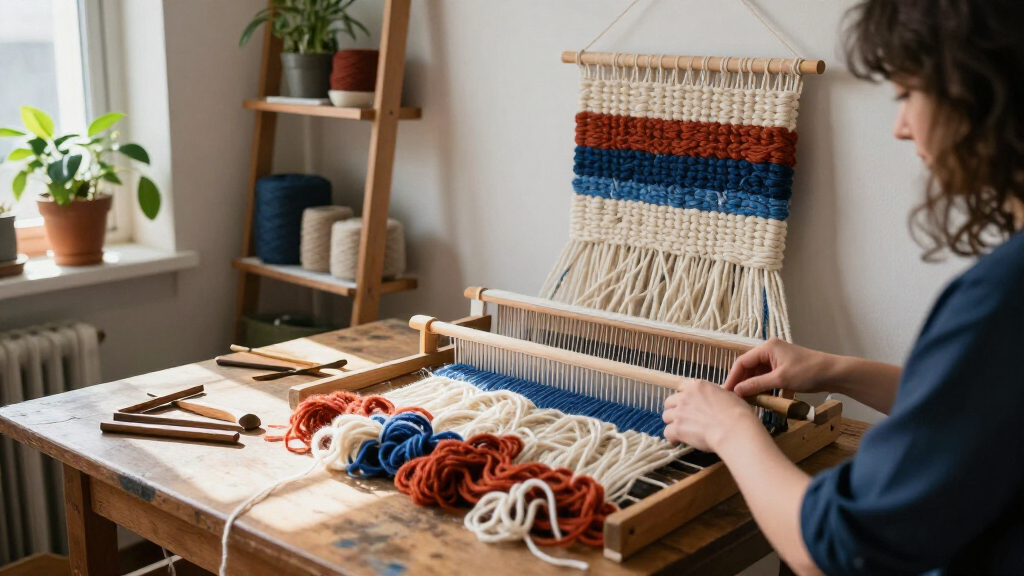
How We Picked
I ranked these books by how clearly each serves a distinct textile or fiber art need: learning techniques, finding visual direction, understanding materials, or placing textile work in artistic and historical contexts. I also weighed the usefulness of the format for its intended reader, including whether a book offers practical projects, a reference approach, artist conversations, or focused coverage of a particular method.
The ranking gives the lead to books with a strong balance of usefulness and scope, not simply the widest subject range. Broad references such as Textilepedia are valuable for lookup, but a focused technique book can be more useful when a reader has a clear making goal. Art surveys and artist-led books rank higher for readers seeking ideas and context, while books on specialized methods or sculptural work make more sense for narrower interests. Each pick has a tradeoff: a book built for inspiration may not teach a process step by step, and a practical guide may offer less art-historical breadth.
| textile and fiber art book | Format |
|---|---|
| Textile Portraits: People and | Book |
| The Art of Manipulating Fabric | Book |
| Textiles x Art: How Textiles A | — |
| Slow Stitch: Mindful and Conte | Book |
| Dimensional Cloth: Sculpture b | Book |
| Nalbinding | Not specified |
| Textilepedia: The Complete Fab | Paperback |
| The Art of Textile & Fiber Cra | Not specified |
| Textile Fine Art: Conversation | Not specified |
| Stitch | — |
| Abstract Textiles: Color | — |
| Textiles: The Art of Mankind | — |
| Fiber Craft Heritage: Easy-to- | — |
| Reflective Stitch: Time & Plac | — |
| The Textile Artist: Sculptural | — |
Factors to Consider When Choosing Best Textile And Fiber Art Books
Before choosing, decide what you want the book to do after you bring it home: teach a process, support a project, broaden your visual references, or explain textile art’s place in culture. These needs overlap, but no single format serves all of them equally well.
Choose Between Instruction and Inspiration
Start by deciding whether you want to make something soon or gather ideas for future work. Project-led books can help you move from reading to practice, while artist surveys and visual studies are better for seeing how makers use material, color, and form. A common mistake is buying an inspiring book and expecting it to teach foundational skills. The reverse can happen too: a technique manual may be useful at the worktable but offer little artistic context. If you want both, pair a practical guide with a visual or artist-focused book rather than expecting one title to cover every need.
Match the Scope to Your Current Skill
A broad introduction can help a beginner understand the range of textile processes, but breadth may mean less detail on any one method. Focused titles are a better fit when you already know which technique you want to explore, such as nalbinding or fabric manipulation. Check whether the book appears to assume prior familiarity with tools, materials, or stitch vocabulary before committing to a specialist subject. Readers with some experience may find broad beginner coverage repetitive, while newcomers can find dense specialist material hard to apply. Choose based on the next skill you want to build, not only the number of techniques named in the title.
Think About How You Will Use the Book
Reference books work best when you expect to return to them for definitions, material comparisons, or technique ideas across multiple projects. A project collection is more useful when you want a clear starting point and a reason to gather supplies. Artist interviews and contemporary surveys tend to support reflection and research rather than serve as workshop manuals. Before choosing, ask whether you need a book to stay open beside your work or one to read and browse away from the craft table. That distinction can matter more than the subject label on the cover.
Check Whether the Subject Matches Your Materials
Textile and fiber art can involve cloth, thread, yarn, mixed media, wire, and other materials, but a book’s title may suggest a wider range than its actual focus. Think about the materials you already use and whether you want to extend them or try a different medium. A specialist sculpture guide can be a poor fit if your main interest is surface stitch, just as a fabric reference may not answer questions about mixed-media construction. Consider the tools and workspace a technique may call for before choosing a project-heavy book. A focused match often gives more practical value than a broad title that only touches on your preferred material.
Balance Historical Context With Practical Application
Some readers want to understand how textile techniques developed across cultures and eras; others want contemporary examples they can adapt in their own practice. Historical context can deepen appreciation and offer a wider frame for making, but it may leave less room for direct instruction. A contemporary art book can show current approaches without serving as a survey of textile history. Avoid treating either approach as a substitute for the other. If cultural context matters to your project, choose a book that gives it real attention, then add a hands-on resource if you also need step-by-step guidance.
Frequently Asked Questions
Which book should I choose if I want both inspiration and practical techniques?
Look for a title that connects a clear method with examples of how artists apply it, then decide which side matters more for your next project. The Art of Manipulating Fabric is the strongest starting point in this lineup for technique-led exploration, while books such as Stitch, Fibre, Metal & Mixed Media point toward combining processes and materials. Artist-focused books can broaden your ideas, but they may not provide the same level of instruction. If you need reliable guidance at the worktable, a separate technique resource can fill the gap. That pairing is often more useful than expecting one book to be both a full manual and an art survey.
Is a broad textile reference or a book on one technique a better first purchase?
Choose a broad reference if you are still exploring materials and want help finding a direction. Textilepedia suits readers who value a fabric-focused resource, while a specialized book makes more sense when you already have a clear interest such as nalbinding. Broad books can help you compare options, though they may not teach every method in depth. A focused title can be more actionable but less useful if your interests shift. Let your next few projects guide the choice: exploration favors breadth, and a specific learning goal favors depth.
Are art-focused textile books useful if I do not plan to make the projects shown?
Yes. Art-focused books can help you study how artists handle composition, texture, scale, and material without requiring you to reproduce a project. Titles such as Textiles x Art and Textile Fine Art are better suited to visual research and thinking about textile work as art than to following a fixed pattern. They may be less useful if you need tool lists or sequential instructions. Readers can still apply the ideas by adapting a color relationship, surface treatment, or approach to material. Choose this format when developing your eye matters as much as learning a particular stitch.
What should a beginner check before choosing a textile art project book?
Check whether the book explains materials and techniques in a way that supports someone without much prior experience. Look for a clear project scope and consider whether you already have access to the required supplies and workspace. A collection of historical techniques can offer approachable ways to try new processes, but not every title with projects will function as a beginner course. Specialist subjects may assume familiarity with basic textile terms or tools. If you are unsure, start with a broad, hands-on resource and move to a focused technique book once you know what you enjoy making.
How do I choose between textile history and contemporary artist books?
Choose a history-oriented book when you want cultural context, technique lineage, or a wider view of how textiles have been made and used. A contemporary artist book is the better match for current approaches, creative prompts, and examples of textile work as fine art. Neither format automatically provides practical project instruction, so check the book’s focus rather than relying on its subject alone. If you are studying a technique, historical context can help explain its origins, while contemporary examples may suggest ways to reinterpret it. Readers working on research or a personal practice may benefit from using both perspectives.
Conclusion
For the strongest all-around starting point, I recommend The Art of Manipulating Fabric for readers who want technique-led exploration with room for creative development. Fiber Craft Heritage is my best value-style pick for hands-on breadth, especially for beginners drawn to historical methods and try-it projects. For contemporary art context, choose Textiles x Art; for a broad fabric reference, choose Textilepedia. Readers with a specific interest should match the book to it: nalbinding fans can go straight to Nalbinding – It’s Not Knitting, while makers exploring wire-based forms should choose The Textile Artist: Sculptural Textile Art. The right pick depends on whether you want to make, study, browse, or focus on one technique.
Halloween Picks
halloween
As an affiliate, we earn on qualifying purchases.