
TL;DR

Get business pricing on tools and workshop supplies
- Business-only prices and quantity discounts
- Tax-exempt purchasing
- Multiple users, one account, clear invoices
A dispute over the use of Antiqua and Fraktur typefaces has escalated among academics, cultural institutions, and policymakers. The debate centers on historical authenticity versus modern preferences, with implications for cultural identity and education.
Controversy surrounding the use of Antiqua and Fraktur typefaces has intensified among European scholars, educators, and cultural institutions. The dispute centers on whether to prioritize historical authenticity or modern readability in official documents, signage, and educational materials, with ongoing debates affecting policy decisions and cultural identity.
The dispute originated in Germany and other German-speaking countries, where Fraktur, a blackletter script, was historically dominant until mid-20th century shifts toward Antiqua, a Roman typeface. Recently, some regional governments and cultural groups have called for a return to Fraktur for its historical significance, while others argue that Antiqua offers better clarity and accessibility. The debate has become especially prominent in educational settings, with some schools and universities reconsidering their typographic standards.
Scholars and typographers are divided: supporters of Fraktur emphasize its cultural heritage and traditional value, citing its deep roots in German history. Critics argue that Fraktur’s ornate style hampers legibility, especially for younger generations and non-native readers. The controversy has also spilled into political realms, with some officials framing the issue as a matter of cultural identity, while others see it as a matter of practical communication.
Cultural Identity and Historical Authenticity in Typography
This dispute matters because typefaces are symbols of cultural identity and historical memory. The choice between Antiqua and Fraktur reflects broader debates about national heritage, modernity, and accessibility. Decisions made by governments and institutions could influence how history is preserved and presented, affecting educational curricula and public signage. The controversy also highlights tensions between tradition and progress in cultural expression.
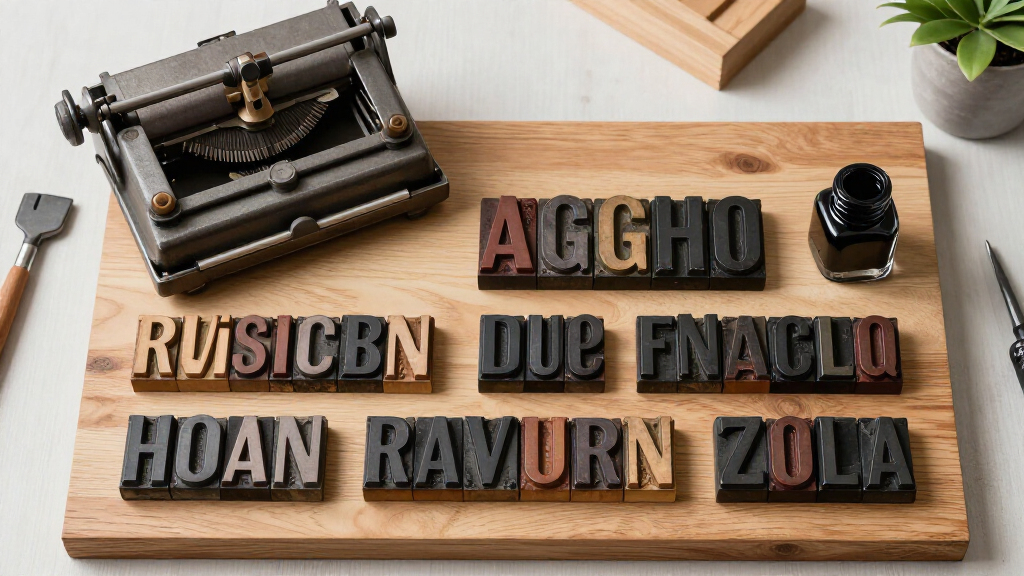
Antiqua and Fraktur typeface fonts
As an affiliate, we earn on qualifying purchases.
As an affiliate, we earn on qualifying purchases.
Historical Roots of the Antiqua–Fraktur Divide
The division between Antiqua and Fraktur typographies dates back to the 16th century, with Fraktur emerging as a dominant style in German-speaking regions. After World War II, the German government officially replaced Fraktur with Antiqua in official documents, citing legibility concerns. However, Fraktur remained popular among cultural groups and was associated with national identity, leading to periodic calls for its revival. Recent years have seen a resurgence of interest in Fraktur, fueled by cultural preservation efforts and nationalist sentiments.
In 2018, some German states and local authorities began experimenting with Fraktur in official signage and publications, sparking national debates. Advocates argue that Fraktur embodies a unique cultural heritage, while opponents emphasize the importance of modern communication standards. The debate has also been influenced by broader discussions about multiculturalism and the role of traditional symbols in contemporary society.
“The choice of typeface is more than aesthetic; it’s a statement about our connection to history and culture.”
— Dr. Maria Keller, typographer and cultural historian
As an affiliate, we earn on qualifying purchases.
Unresolved Questions About Cultural and Practical Impacts
It remains unclear how widespread the adoption of Fraktur will become in official capacities and whether it will be accepted by the broader public. Experts disagree on whether the benefits of cultural preservation outweigh the practical challenges of legibility and accessibility. The long-term effects on education, signage, and national identity are still uncertain, with ongoing debates shaping policy decisions.
As an affiliate, we earn on qualifying purchases.
Next Steps in Policy and Cultural Debates
Authorities are expected to continue evaluating the use of Fraktur in official and educational contexts, with some regions planning pilot programs. Legal and educational institutions are likely to monitor the impact on literacy and public perception. The debate may also influence broader discussions about cultural symbols and national identity, with potential legislation or guidelines emerging in the coming months.
As an affiliate, we earn on qualifying purchases.
Key Questions
Why is the Antiqua–Fraktur dispute happening now?
The dispute has gained renewed attention amid cultural preservation efforts and political movements emphasizing national heritage, alongside ongoing debates about accessibility and modern communication standards.
What are the main arguments for using Fraktur?
Supporters argue that Fraktur is a vital part of German cultural history and identity, representing centuries of tradition and artistic craftsmanship.
What are the main concerns about Fraktur?
Critics point out that Fraktur can be difficult to read, especially for younger generations and non-native speakers, raising concerns about accessibility and practical communication.
Could this dispute impact other countries or languages?
While primarily centered in Germany and German-speaking regions, the debate could influence typographic and cultural discussions elsewhere, especially in countries with similar historical scripts or nationalist movements.
What is the current official stance on the use of Fraktur?
Most official government documents now primarily use Antiqua, but some regional authorities are experimenting with Fraktur in cultural and promotional materials, with no nationwide policy change yet.
Source: hn
Fall yard work Picks
leaf blowers
As an affiliate, we earn on qualifying purchases.