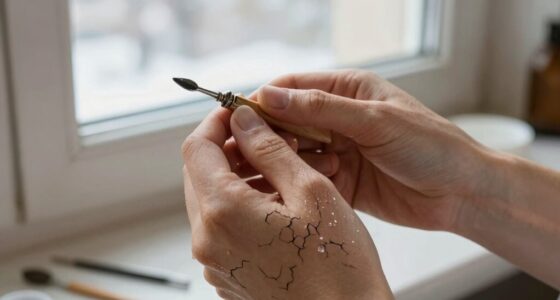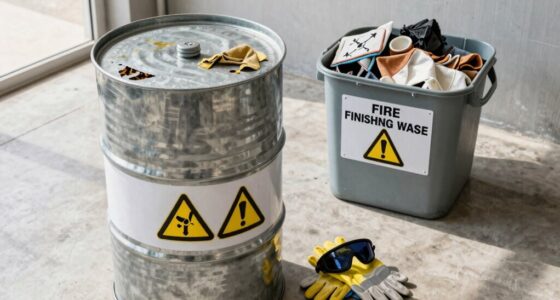
To craft skin-safely and avoid rashes or itching, start by choosing hypoallergenic, natural materials like cotton or bamboo, and opt for fragrance-free supplies. Always wear gloves and use tools to minimize direct contact, and wash your hands thoroughly afterward. Keep your workspace well-ventilated and clean surfaces regularly to remove residues. Recognizing early skin reactions helps you act quickly—keep exploring for more tips on safe crafting practices.
Key Takeaways
- Choose hypoallergenic, fragrance-free, and natural fiber craft materials to minimize skin reactions.
- Always wear protective gloves and masks to reduce direct skin contact and inhalation of irritants.
- Read labels carefully to avoid dyes and chemicals known to cause sensitivities or allergic responses.
- Maintain a well-ventilated workspace and clean surfaces promptly to disperse fumes and remove residues.
- Monitor your skin for symptoms of irritation and promptly wash affected areas to prevent worsening reactions.
Identifying Common Irritants in Craft Supplies
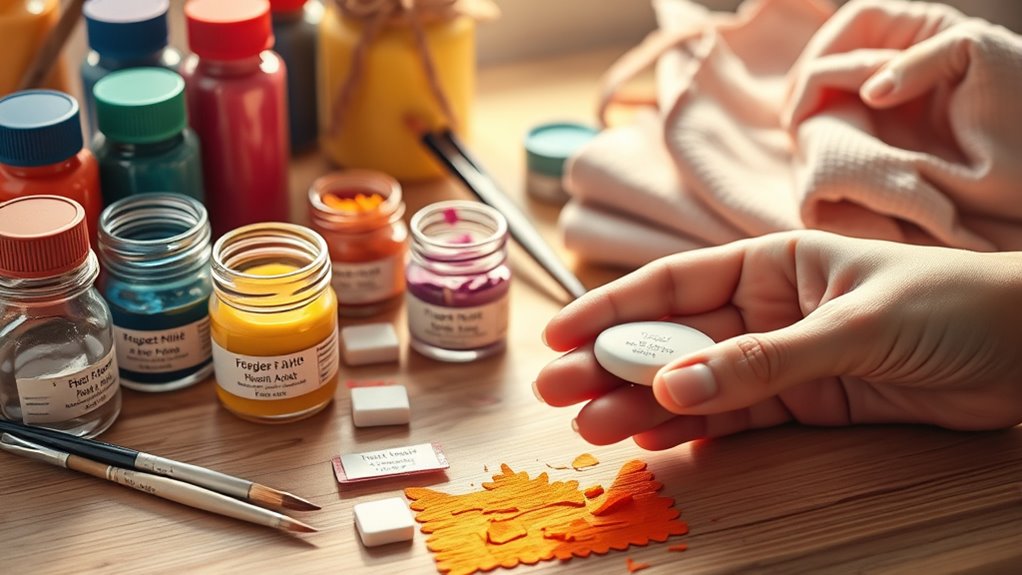
Many common craft supplies contain ingredients that can irritate your skin, especially if you have sensitive skin or allergies. Dye allergies are a common concern, as vibrant dyes in paints, inks, and fabrics can trigger reactions. Fragrance sensitivities are also prevalent, since many glues, paints, and markers include added fragrances that can cause skin irritation or allergic responses. You might not realize that even small amounts of these ingredients can lead to redness, itching, or rashes. Always check labels for dyes and fragrances before starting your project. If you notice irritation, it’s a sign that these ingredients might be the cause. Recognizing these common irritants helps you avoid exposure and keep your crafting experience safe and enjoyable. Additionally, understanding project safety considerations can help you take extra precautions to prevent skin issues. Being aware of allergen triggers in craft supplies can further reduce the risk of adverse reactions. Educating yourself about potential irritants in craft materials can also help identify and avoid lesser-known causes of skin reactions.
Choosing Hypoallergenic and Skin-Friendly Materials
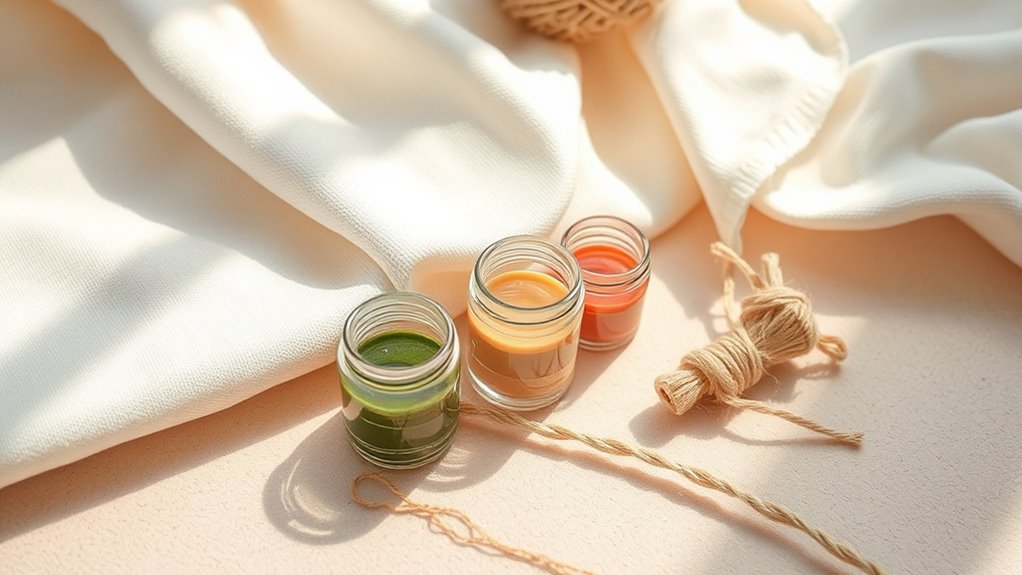
How can you guarantee your craft supplies are gentle on your skin? Start by choosing hypoallergenic and skin-friendly materials. Natural fibers, like cotton, bamboo, or linen, are excellent options because they’re less likely to cause irritation. Look for products labeled as fragrance-free options—these avoid added scents that can trigger sensitivities. Always read ingredient labels and opt for dyes and finishes that are free from harsh chemicals. When possible, select supplies specifically designed for sensitive skin. By prioritizing natural fibers and fragrance-free options, you reduce your risk of rashes, itching, and allergic reactions. Additionally, paying attention to the air quality of your crafting environment can further minimize skin sensitivities. Ensuring good air purification in your workspace can help remove airborne irritants that may exacerbate skin issues. Incorporating hypoallergenic materials into your craft supplies can provide extra protection against allergens. Being aware of airborne irritants and how they impact skin health helps create a safer, more comfortable crafting experience. Making mindful choices in your materials helps assure your crafting experience stays enjoyable and safe for your skin.
Proper Handling and Protective Gear Tips
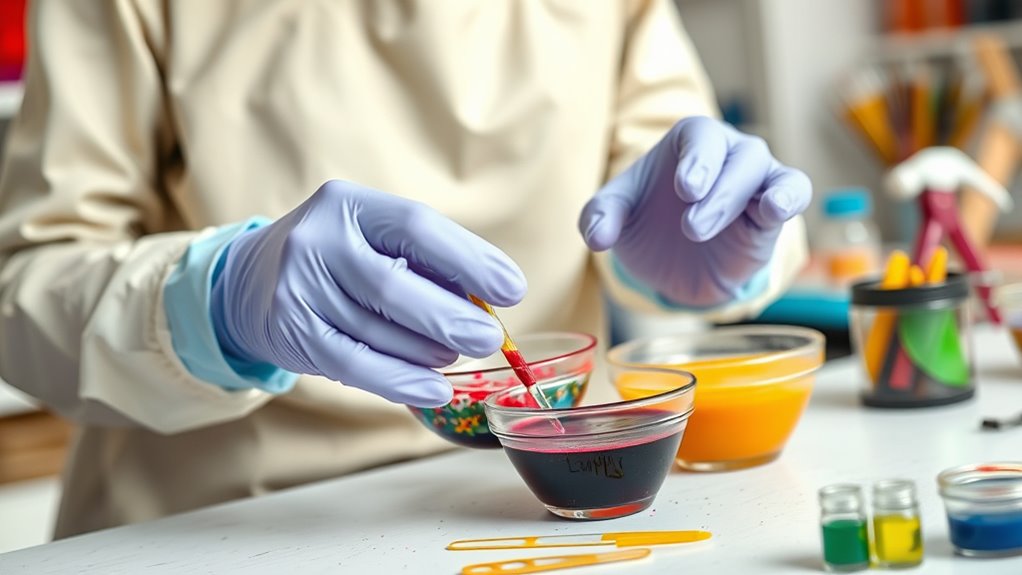
Once you’ve chosen skin-friendly materials, handling them properly helps prevent irritation and guarantees a safe crafting experience. Always wear personal protective equipment, like gloves and masks, to minimize direct skin contact and inhalation of any particles or chemicals. Follow safe handling practices by washing your hands before and after working, and avoid touching your face during projects. Use tools instead of bare hands whenever possible to reduce skin exposure. Keep your workspace well-ventilated to disperse fumes and dust. Store materials safely, away from children and pets. Regularly inspect your protective gear for wear and replace it as needed. Additionally, understanding wiring basics ensures safe electrical connections when working with heated or electrical components in your projects. Proper handling of electric components is crucial to prevent accidental shocks or malfunctions. Maintaining material compatibility is essential to avoid chemical reactions that can cause skin irritation. Proper storage and handling of flammable materials help reduce the risk of accidental fires or chemical burns. By integrating these safety measures, you reduce the risk of rashes, sensitization, and mystery itching, ensuring your crafting remains enjoyable and skin-safe.
Cleaning and Maintenance of Your Crafting Space

Maintaining a clean and organized crafting space is essential for safety and efficiency. Proper ventilation practices help disperse fumes and dust, reducing skin irritation risks. Regularly open windows or use exhaust fans to improve airflow, especially when working with chemicals or adhesives. Use effective storage solutions to keep supplies tidy and prevent accidental contact with irritants. Store paints, glues, and other potentially harmful materials in sealed containers, away from your workspace. Clean surfaces after each project to remove residual dust, debris, or spills that could cause skin reactions. Dispose of waste properly and wash your hands thoroughly before touching your face or skin. Additionally, choosing appropriate protective gear such as gloves and masks can further minimize skin exposure. Using proper storage techniques and labeling containers help prevent accidental spills and contamination. Keeping your space well-ventilated and organized minimizes exposure to allergens and irritants, creating a safer environment for skin-safe crafting. Incorporating safe handling practices and understanding chemical labels further enhances your safety measures. Regularly inspecting your supplies for potential irritants can also help prevent skin reactions and ensure a safe crafting experience. Ensuring proper ventilation practices reduces the buildup of hazardous fumes and dust, further protecting your skin and respiratory health during crafting activities.
Recognizing and Responding to Skin Reactions
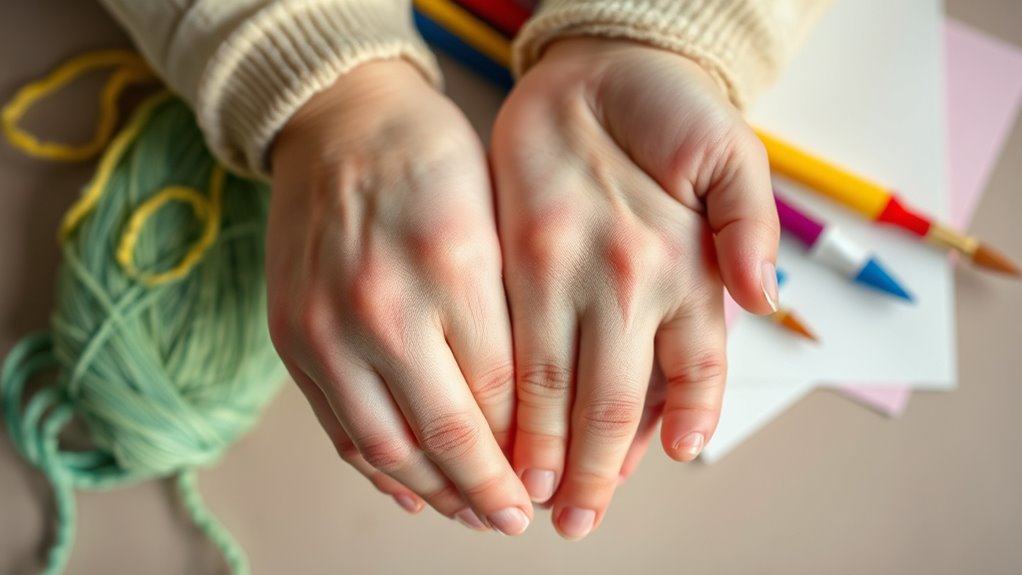
Being able to quickly recognize skin reactions is essential for preventing more serious health issues. If you notice allergy symptoms like redness, swelling, or itching after crafting, don’t ignore them. Respond promptly by removing the irritant and washing the area with gentle soap and water. If symptoms persist or worsen, consider skin patch testing to identify specific allergens. This testing involves applying small amounts of potential irritants to your skin to observe reactions over time. Knowing how to recognize early signs of contact dermatitis or other sensitivities helps you act fast and avoid prolonged exposure. Staying attentive to your skin’s responses ensures you can craft safely without risking severe rashes or long-term sensitization. Additionally, understanding your skin’s response to allergens can help you implement better protective measures in your crafting routine. Being aware of common irritants in crafting materials, such as certain dyes or adhesives, further reduces the risk of adverse reactions. Recognizing early signs of skin reactions allows for timely intervention, which is crucial in preventing escalation or chronic issues. Being proactive about early detection of skin reactions enables you to take immediate action to minimize irritation and prevent escalation.
Frequently Asked Questions
How Can I Test New Craft Materials for Skin Sensitivity Safely?
To test new craft materials safely, start with patch testing by applying a small amount of the material to your skin, like your inner forearm, and wait 24-48 hours for any reactions. Conduct ingredient research beforehand to identify common allergens. This approach helps you spot potential sensitivities early, ensuring your crafting remains enjoyable and safe. Always observe your skin’s response before using materials more extensively.
Are There Natural or Organic Options for Skin-Safe Craft Supplies?
Imagine a palette of vibrant natural dyes, whispering of earth and sun, perfect for skin-safe crafting. Yes, there are organic options like natural dyes and organic adhesives that are gentle on your skin. These eco-friendly choices reduce the risk of irritation and promote safe creativity. By opting for these, you embrace a sustainable, skin-conscious approach that lets your artistry flourish without worry.
What Are Quick Remedies for Unexpected Skin Rashes From Crafting?
If you get an unexpected skin rash from crafting, start with first aid tips like rinsing the area with cool water immediately and gently patting it dry. Apply soothing remedies such as aloe vera gel or over-the-counter hydrocortisone cream to reduce itching and inflammation. Taking an antihistamine can also help if your reaction is severe. Always monitor your skin, and if symptoms worsen, seek medical advice promptly.
How Often Should I Replace or Dispose of Craft Tools and Materials?
You should replace or dispose of craft tools and materials regularly to guarantee safe, skin-friendly crafting. Practice proper tool maintenance by cleaning and inspecting them after each use, especially if you notice rust or damage. Pay attention to material lifespan, discarding items like paints, adhesives, or fabrics once they expire or show signs of deterioration. Doing so minimizes skin irritation risks and keeps your workspace safe and hygienic.
Can Environmental Factors Influence Skin Reactions During Crafting Activities?
Yes, environmental factors like air quality and humidity levels can influence your skin reactions during crafting. Poor air quality may contain irritants or allergens that trigger sensitivities, while low humidity can dry out your skin, making it more prone to rashes and itching. To protect yourself, work in a well-ventilated space and maintain ideal humidity levels, keeping your skin healthier and reducing the risk of adverse reactions.
Conclusion
By being mindful of the materials you choose and taking protective steps, you’re building a fortress around your skin, keeping irritants at bay. Think of your crafting space as a garden—you can’t control everything, but with care and attention, you foster a safe environment where creativity can flourish without painful surprises. Remember, your skin’s health is the foundation of your craft; nurture it, and your artistic journey will bloom beautifully.