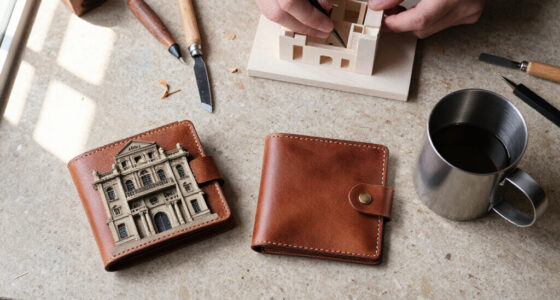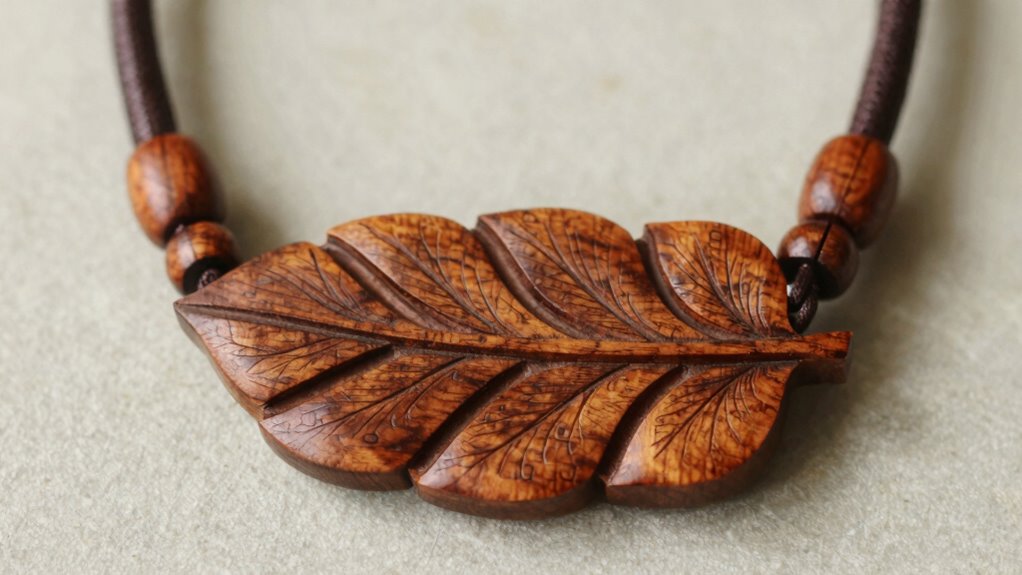

To build a handmade piece around one strong motif, start by clearly defining and positioning your focal point to make it stand out. Choose colors that enhance the motif’s impact and materials that support its shape and strength. Use techniques like layering, framing, or contrasting elements to draw attention. Coordinate all elements for cohesion, ensuring your motif remains the centerpiece. If you keep exploring, you’ll discover how to refine each detail to make your design truly striking.

Get business pricing on tools and workshop supplies
- Business-only prices and quantity discounts
- Tax-exempt purchasing
- Multiple users, one account, clear invoices
Key Takeaways
- Clearly define and position the motif as the focal point to guide the entire design process.
- Select a color palette that enhances contrast and complements the motif to make it stand out.
- Choose materials that reinforce the motif’s shape and texture, considering durability and visual impact.
- Use layering, framing, and strategic placement to emphasize the motif and create visual focus.
- Ensure cohesive integration of color, material, and style to maintain harmony and highlight the motif effectively.
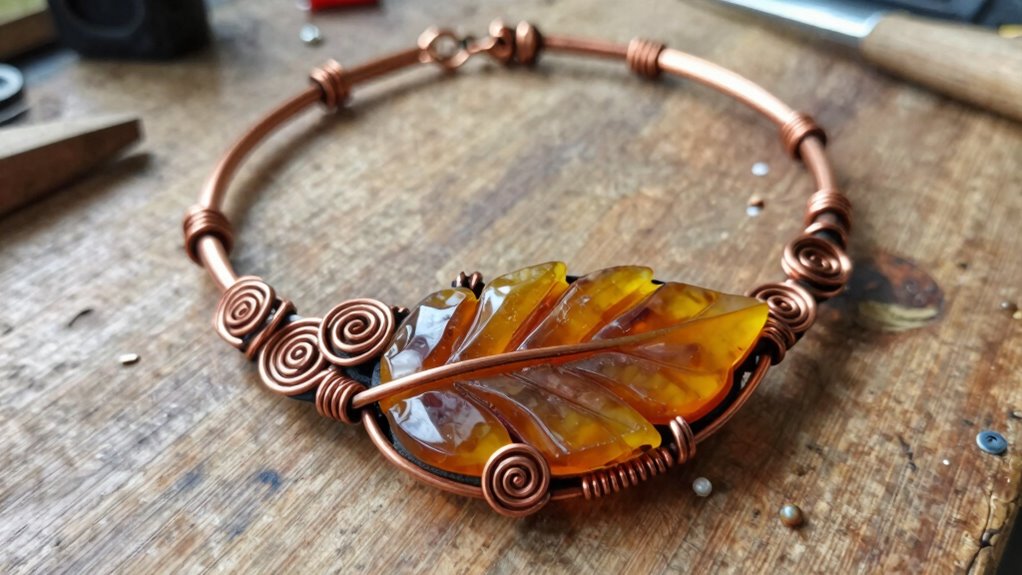
Creating a handmade piece with a strong motif begins with a clear vision of the design you want to showcase. Your motif should serve as the focal point, guiding the entire creation process. To guarantee it stands out, you need to think carefully about how colors and materials work together. This is where color theory becomes essential. It helps you understand how different hues interact, evoke emotions, and draw attention. For example, using contrasting colors like deep blue and bright yellow can make your motif pop, creating a visual impact that captures the viewer’s eye. Alternatively, a monochromatic palette in varying shades of one color can lend a more subtle, sophisticated feel. The key is to select colors that align with the mood you want to convey and complement your motif’s shape and theme.
Material selection is equally vital. The textures, weights, and finishes of your materials can reinforce the strength of your motif. If your design features sharp angles or intricate details, choose materials that hold their shape well, such as thick fabrics, sturdy paper, or dense clay. For softer, more fluid motifs, lighter or more pliable materials like silk, paper mache, or thin wire might work better. Think about how each material responds to handling, cutting, or shaping, and how it will age over time. Your goal is to pick materials that not only enhance the motif visually but also support its structural integrity. This careful selection process ensures your piece remains true to your original vision and maintains its impact over time. Understanding material properties can help you choose the best options for durability and aesthetic appeal. When selecting materials, consider their longevity and how they will age, especially if your piece is intended for long-term display or use. Additionally, taking into account the aesthetic qualities of each material can help create a more harmonious overall design. Incorporating techniques specific to your chosen materials can further enhance the strength and visual interest of your piece. Furthermore, experimenting with different layering and framing techniques can help emphasize your motif and create depth. Once you’ve identified your color scheme and chosen suitable materials, you can start assembling your piece. Keep the motif front and center, using strategic placement and contrasts to highlight it. Use your understanding of color theory to balance your colors across the entire piece, ensuring the motif remains the star. Experiment with layering, framing, or borders to draw the eye inward or outward, depending on your design. As you work, be mindful of how your material choices influence the overall feel—whether it’s bold and modern, delicate and intricate, or rustic and earthy. Your careful integration of color and material will create a cohesive, compelling handmade piece that resonates with strength and clarity. In the end, it’s about making intentional choices that elevate your motif and turn your vision into an enthralling reality.
Frequently Asked Questions
How Do I Choose the Right Motif for My Project?
You choose the right motif by considering color harmony and cultural symbolism. Think about colors that complement each other and evoke the mood you want. Also, reflect on cultural meanings that resonate with your message or story. Pick a motif that feels authentic and inspiring, ensuring it can unify your design elements. This way, your project will have a strong, meaningful focus that captures attention and tells a compelling story.
What Materials Best Highlight a Strong Motif?
To highlight your strong motif, choose materials that create striking material contrast, making the motif stand out. Opt for colors that establish vibrant color harmony, drawing attention without overwhelming the design. For example, pair matte and glossy finishes or textured and smooth surfaces to add depth. Use bold or contrasting colors that complement your motif, ensuring it remains the focal point while the materials and colors enhance its prominence effectively.
How Can I Ensure the Motif Remains the Focal Point?
Think of your piece as a vintage vinyl—your motif is the song, and everything else should play background. To keep it the focal point, use bold color contrast around it, making sure it stands out. Add texture variation nearby, drawing the eye inward and emphasizing the motif’s importance. Keep other elements subtle, so your key feature remains clear and mesmerizing, like a timeless hit.
What Techniques Enhance the Prominence of a Motif?
You can enhance your motif’s prominence by using bold color contrast, making it stand out vividly against the background. Incorporate texture variation around the motif, such as raised or smooth surfaces, to draw the eye. Keep surrounding elements simple and subdued, ensuring they don’t compete for attention. Combining these techniques, you’ll create a striking focal point that naturally captivates viewers and keeps the motif front and center.
How Do I Balance the Motif With Other Design Elements?
You balance your motif by contrasting it with subtle color harmony and texture differences. Imagine your bold motif as the main character, while surrounding elements act as supporting cast—using softer hues and smooth textures to let it shine. Avoid overwhelming the piece; instead, create a visual dialogue where the contrasting textures and harmonious colors make your motif stand out effortlessly, guiding the viewer’s eye naturally.
Conclusion
By anchoring your creation around a single, mesmerizing motif, you turn it into a vibrant heartbeat that guides every stitch and stroke. Think of your piece as a symphony, where that strong motif is the conductor, weaving harmony and focus through chaos. When you let your motif breathe and evolve naturally, it transforms your work into a story with depth and soul—an enduring echo of your passion, etched forever in every detail.
Fall yard work Picks
leaf blowers
As an affiliate, we earn on qualifying purchases.