At first glance, handmade jewelry may seem cheap because of the materials used, like lower-quality metals or plastics, which can look dull or feel lightweight. Minimal craftsmanship details might also give it a simple or less refined appearance, hiding its true value. But those initial impressions can change with proper care and understanding of the materials and craftsmanship behind the piece. Keep exploring, and you’ll discover what truly makes handmade jewelry special.
Key Takeaways
- Initial appearance may be affected by lower-quality materials like plastics or base metals, making it look less luxurious.
- Handmade jewelry often prioritizes craftsmanship details that may not be immediately visible, impacting first impressions.
- The use of affordable or sustainable materials can result in a simpler, less polished look initially.
- Surface finishes or patinas develop over time, so the jewelry may look dull or plain at first.
- Proper care and understanding of material quality reveal the jewelry’s true beauty and value over time.

Have you ever picked up a piece of handmade jewelry only to feel disappointed by its initial appearance? It’s a common reaction, especially when your expectations clash with what’s in your hands. Sometimes, the first impression can be misleading, and that’s often due to how the jewelry was crafted or the materials used. When you’re evaluating handmade pieces, it’s essential to look beyond the surface and consider two key factors: material quality and craftsmanship details.
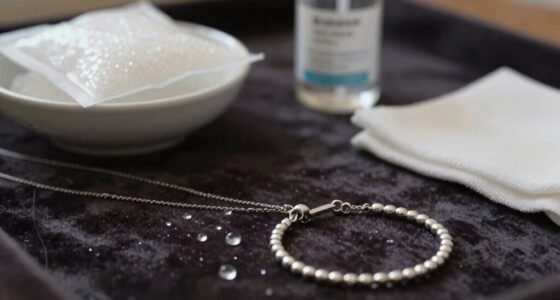
Material quality plays a significant role in how a piece feels and looks initially. Handmade jewelry made with lower-grade metals or plastics might appear dull or flimsy. You might notice that the metal lacks luster, feels lightweight, or shows signs of tarnishing quickly. This doesn’t mean the jewelry isn’t well-made; it just means the raw materials weren’t premium. Many artisans choose materials that are more affordable or sustainable, which can sometimes result in a less polished look at first glance. However, high-quality materials, such as sterling silver, gold-filled metals, or genuine gemstones, tend to develop a beautiful patina over time, adding character rather than diminishing value. Recognizing the difference in material quality helps you understand why some pieces might seem less impressive initially but can become more appealing with proper care. Additionally, understanding material quality can help you determine how well the jewelry will age and whether it’s worth investing in for long-term wear. Sometimes, what appears simple initially may reveal its true beauty with proper maintenance and wear.
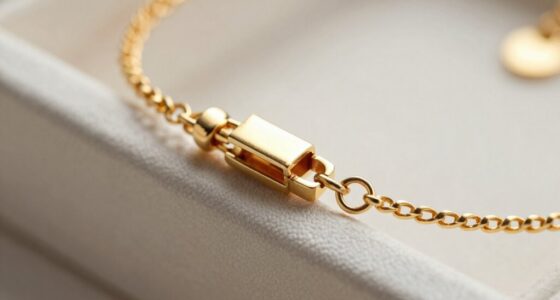
Furthermore, paying attention to craftsmanship details can reveal the skill and care put into each piece, which often influences its initial appearance and durability. Attention to detail is a hallmark of quality handmade jewelry and can make a noticeable difference in how a piece looks and holds up over time.
sterling silver handmade jewelry
As an affiliate, we earn on qualifying purchases.
As an affiliate, we earn on qualifying purchases.
Frequently Asked Questions
How Can I Tell if Handmade Jewelry Is Real or Fake?
You can tell if handmade jewelry is real or fake by examining material authenticity and craftsmanship skills. Look closely at the materials—genuine metals like gold or silver have a consistent color and feel solid, while fake ones often look dull or lightweight. Check the craftsmanship; high-quality pieces show precise details, secure settings, and smooth finishes. If the jewelry feels flimsy or the details are sloppy, it’s likely fake or low-grade.
Does Price Always Indicate Quality in Handmade Jewelry?
Price perception isn’t always a crystal ball for quality, like a sparkly gem hiding its flaws. You might think high price means first-rate craftsmanship, but value expectations vary. Some handmade jewelry offers exceptional artistry at a fair price, while cheaper pieces can surprise you with quality. Always look beyond the price tag—inspect details, materials, and craftsmanship—to truly gauge if the jewelry meets your standards.
Are There Specific Materials That Make Jewelry Feel Cheaper?
Certain materials can make jewelry feel cheaper, especially if they lack good material quality or a smooth surface texture. Low-grade metals like nickel or brass often feel rough or lightweight, diminishing the overall feel. Similarly, jewelry with poorly finished surfaces, uneven textures, or visible seams can give an inexpensive impression. To avoid this, look for pieces with high-quality materials and a polished, well-crafted surface that feels smooth and substantial.
How Does Craftsmanship Influence the Perceived Value of Jewelry?
Craftsmanship shapes how you perceive jewelry’s value through craftsmanship standards and artisan skill. When a piece showcases precise detailing, smooth finishes, and thoughtful design, it immediately feels more valuable. Conversely, lacks of these qualities can make jewelry seem cheaply made. Your eye picks up on these subtle cues, recognizing the effort and expertise involved, which elevates the piece’s perceived worth and transforms it from ordinary to extraordinary.
Can Finishing Techniques Improve the Look of Handmade Jewelry?
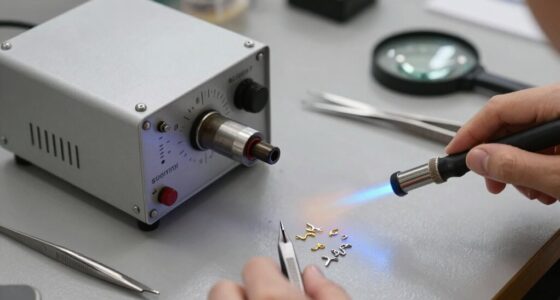
Yes, finishing techniques can considerably improve the look of your handmade jewelry. Polishing methods smooth out rough edges and add shine, making pieces appear more refined. Texture enhancement techniques, like etching or hammering, add visual interest and depth. These finishing touches elevate the craftsmanship, giving your jewelry a polished, professional appearance that feels more luxurious and less cheap at first glance.
As an affiliate, we earn on qualifying purchases.
Conclusion
So, next time you see handmade jewelry that seems a bit lackluster at first glance, remember it’s often just the surface catching the light differently. With a little patience and a closer look, you might find hidden treasures beneath that initial shimmer. Sometimes, what appears plain or simple is simply waiting for its true sparkle to be uncovered. Don’t judge a piece too quickly—sometimes, it’s just a gentle nudge to see beyond the surface.
As an affiliate, we earn on qualifying purchases.
As an affiliate, we earn on qualifying purchases.