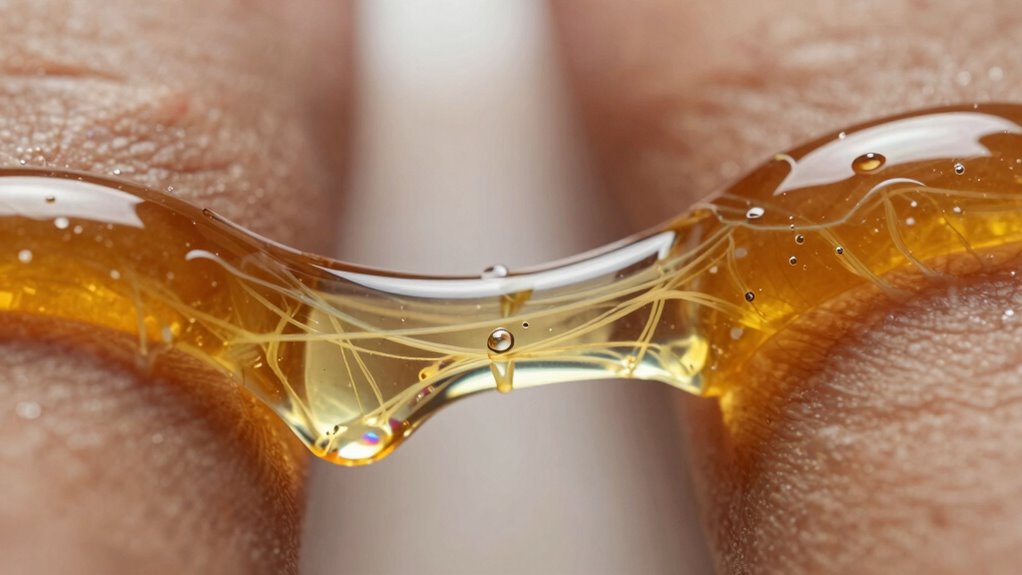

You might think adhesives just stick, but their strength comes from complex microscopic reactions and molecular bonds. When you apply adhesive, polymer chains flow into surface pores, creating a network that bonds tightly. Chemical interactions like covalent bonds and electrostatic attractions form strong links with different surfaces. Environmental factors can affect this process, making adhesion weaker or stronger. If you’re curious about what truly makes adhesives work, keep exploring how chemistry drives these powerful connections.
Open a free Amazon Business account
Business pricing, bulk buying and tax-exempt orders.
As an affiliate, we earn on qualifying purchases.
Key Takeaways
- Adhesives form microscopic chemical bonds, such as covalent and electrostatic interactions, to secure surfaces effectively.
- Polymer chains create a flexible network that enhances bond durability and resistance to stress.
- Surface properties like roughness and chemical composition influence how adhesives bond at the molecular level.
- Environmental factors such as temperature and moisture can weaken or strengthen chemical bonds in adhesives.
- The chemistry of adhesives involves complex reactions that enable long-lasting, stable, and resilient bonds.
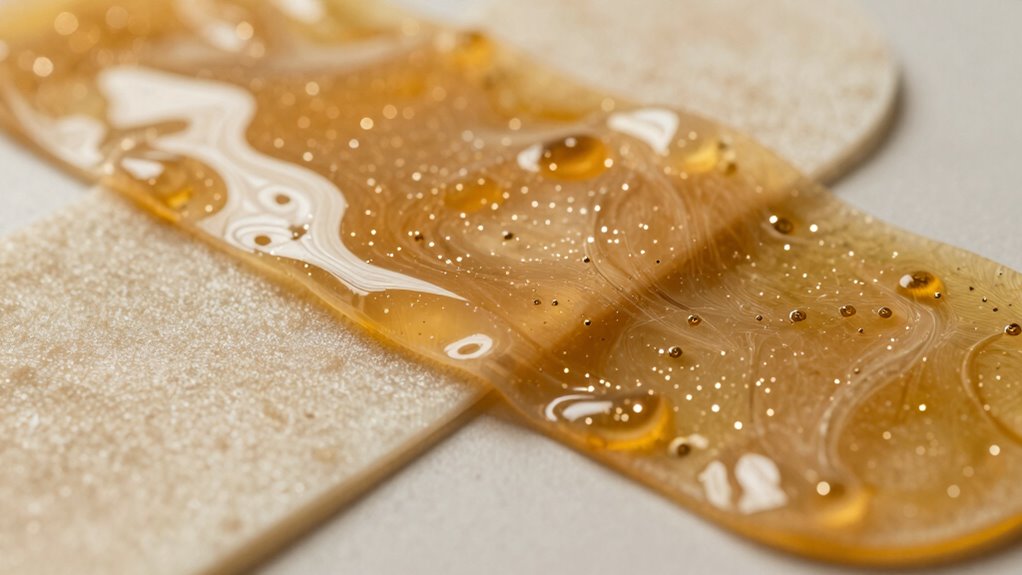
When you stick two surfaces together with adhesive, you might think it’s just about glue holding everything in place. In reality, a complex chemical dance takes place at the microscopic level, involving polymer bonding and chemical interactions that make the adhesion possible. The secret lies in how the adhesive’s molecules interact with the surface materials, creating a bond that’s strong enough to withstand everyday forces. This process begins with polymer bonding, where long chains of molecules in the adhesive link together and connect to the surfaces being joined. These polymers are designed to flow into microscopic pores and irregularities, increasing the contact area and forming a more durable connection.
Adhesion relies on microscopic chemical interactions and polymer bonds that create strong, durable surface connections.
Chemical interactions play an essential role here, as they determine the strength and stability of the bond. When you apply the adhesive, its molecules don’t just randomly stick; they undergo specific reactions with the surface’s chemical makeup. Some adhesives use polar molecules that form electrostatic attractions, while others rely on covalent bonds—strong chemical links formed when atoms share electrons. For example, epoxies often create covalent bonds with surfaces like metal or glass, leading to a very tight, permanent bond. The chemistry involved is precise, with certain functional groups in the adhesive reacting with complementary groups on the surface to form robust chemical interactions. Additionally, the surface’s chemical composition can significantly influence how well these bonds form.
The type of surface you’re bonding and the adhesive’s formulation influence these interactions markedly. Rough or porous surfaces provide more sites for polymer chains to anchor, enhancing the overall strength. On the other hand, non-porous surfaces might require adhesives with specific chemical groups to establish effective bonds through chemical interactions. Temperature, moisture, and the presence of contaminants can also affect how these molecules bond, sometimes weakening the adhesive’s performance if not properly managed. Recognizing the importance of molecular interactions helps in selecting the right adhesive for different environments and surfaces.
Understanding the chemistry behind adhesives reveals that their effectiveness isn’t just about sticking but about creating a network of molecular connections. The polymer chains act as the backbone, providing flexibility and resilience, while the chemical interactions ensure those chains are firmly attached to the surfaces. This intricate process explains why some adhesives bond so well and last over time, even under stress. So, next time you use glue, remember that beneath its surface, a tiny world of polymer bonding and chemical interactions is working tirelessly to keep things together, showcasing just how fascinating and precise the science of adhesives truly is.
epoxy adhesive for metal and glass
As an affiliate, we earn on qualifying purchases.
As an affiliate, we earn on qualifying purchases.
Frequently Asked Questions
How Do Adhesive Properties Vary With Temperature Changes?
You’ll notice adhesive properties change with temperature because thermal expansion affects how materials bond, causing them to loosen or tighten. As temperature rises, viscosity variation occurs, making adhesives more fluid and easier to spread, but potentially less sticky. Conversely, colder temperatures increase viscosity, making adhesives thicker and harder to apply. Understanding these effects helps you select the right adhesive for specific temperature conditions, ensuring better performance and durability.
Are There Eco-Friendly Alternatives to Traditional Sticky Adhesives?
Yes, eco-friendly alternatives exist, and they’re gaining popularity. You might discover biodegradable polymers that break down naturally without harming the environment. Natural resins, derived from plants, offer a sustainable adhesive option that’s both effective and eco-conscious. These alternatives could revolutionize how you think about sticking things together, making your projects greener and safer. The secret lies in harnessing nature’s own adhesives—ready to change the game?
What Safety Measures Are Recommended for Handling Industrial Adhesives?
When handling industrial adhesives, you need to prioritize chemical safety and follow handling precautions. Always wear protective gloves, goggles, and respirators to shield your skin, eyes, and lungs from harmful fumes or splashes. Work in well-ventilated areas, and read safety data sheets thoroughly. Proper storage, labeling, and disposal are essential. If accidental contact occurs, seek medical attention promptly. Staying cautious guarantees your safety and prevents potential health hazards.
How Long Do Adhesive Bonds Typically Last Under Stress?
Adhesive bonds typically last from months to decades under stress, depending on factors like adhesive aging and bond durability. You’ll see variations based on environmental conditions, load types, and material compatibility. To guarantee longevity, you must consider how these factors influence bond performance over time. Regular inspection and proper application enhance bond durability, helping your adhesive hold strong longer, even under continuous or heavy stress.
Can Adhesives Be Reused After Removal?
Yes, adhesives can often be reused after removal, but reusability concerns depend on the adhesive type and removal method. Some adhesives, especially reusable or removable types, maintain their bonding properties, while others degrade over time. Adhesive degradation occurs with repeated use, reducing bond strength. So, if you want to reuse an adhesive, choose one designed for multiple applications and handle removal carefully to preserve its effectiveness.
As an affiliate, we earn on qualifying purchases.
Conclusion
Now that you understand the secret chemistry behind sticky adhesives, you can see them as tiny artisans crafting bonds that hold your world together. Like a master weaver weaving threads into a sturdy fabric, these chemicals create invisible bridges between surfaces. So, next time you peel apart two glued objects, remember you’re witnessing a marvel of science—an unbreakable handshake made possible by clever chemistry, silently working behind the scenes to keep everything in place.
surface preparation adhesive kit
As an affiliate, we earn on qualifying purchases.
As an affiliate, we earn on qualifying purchases.
moisture resistant industrial adhesive
As an affiliate, we earn on qualifying purchases.
As an affiliate, we earn on qualifying purchases.
Flea & tick season Picks
flea and tick prevention
As an affiliate, we earn on qualifying purchases.